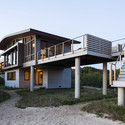
AECOM has designed a preliminary study for a mixed-use transportation development in Solana Beach, California, as part of a response for a RFP (Request for Proposal). Located near major roads and connected to railroads, the project proposal consists of a combination of retail stores and restaurants, providing transit users with leisure spaces on their travels, in addition to parking for the nearby AMTRAK train station.
The purpose of the Competition is to engage students to imagine the repurposing of our existing cities with sustainable buildings from renewable resources, offering expedient affordable construction, innovating with new and old wooden materials, and designing healthy living and working environments.
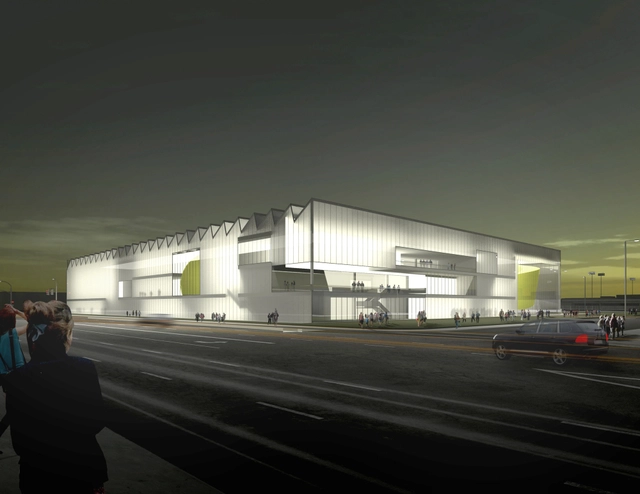
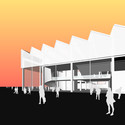
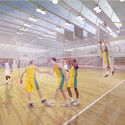
AECOM has designed a $42,000,000 campus and training facility for a professional basketball organization in West Los Angeles. The building contains a basketball arena, corporate headquarters, a hall of fame, and gardens, among other programs. Despite the building’s varied uses, AECOM was determined to make it “basketball centric.”
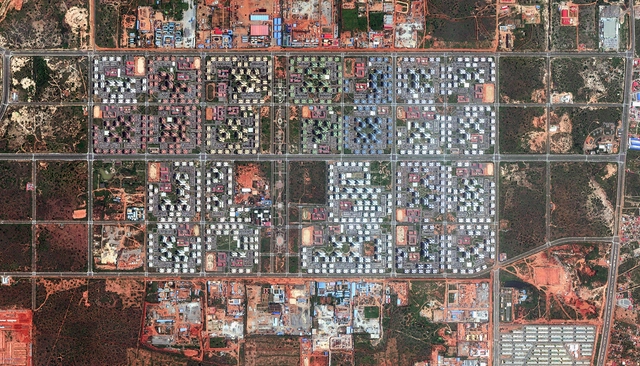
Storefront for Art and Architecture hosts Facing East: Chinese Urbanism in Africa, an exhibition by journalist Michiel Hulshof (Tertium, Amsterdam) and architect Daan Roggeveen (MORE Architecture, Shanghai). Facing East investigates the impact of Chinese development on fast-growing African cities, and is built around personal stories of individuals involved in the urbanization process.
Newman-Schmidt Studios, Workmen installing the first aluminum panel, 1951. Gelatin silver print. Director’s Discretionary Fund.
The city of Pittsburgh encountered and was transformed by modern architecture in an ambitious program of urban revitalization in the 1950s and ’60s. HAC Lab Pittsburgh: Imagining the Modern untangles Pittsburgh’s complicated relationship with modern architecture and urban planning. This experimental presentation at Carnegie Museum of Art’s Heinz Architectural Center includes abundant archival materials from the period, an active architecture studio, and a salon-style discussion space, unearthing layers of history and a range of perspectives.
As announced by WIRED, the controversial take over is the result of James Murdoch's distaste for Foster's decade-old scheme and preference for a more integrated workplace. Though the foundation of Foster's building has already been built, the BIG scheme will now be realized and become the new headquarters of Rupert Murdoch’s media companies, 21st Century Fox and News Corp.
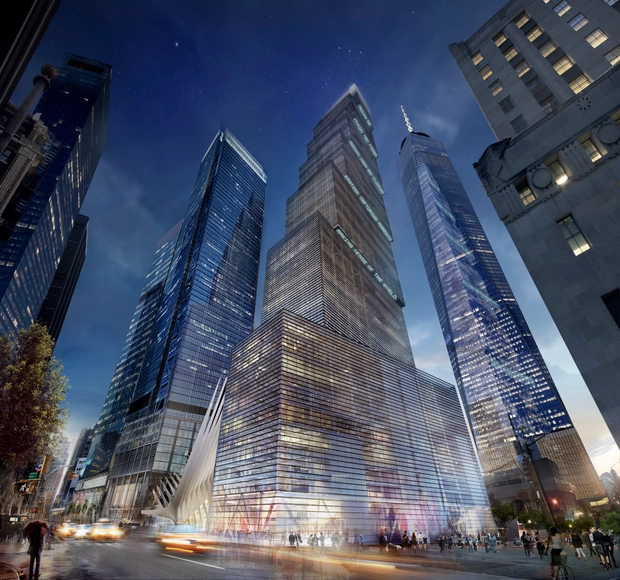
Designed as seven unique building stacked on top of each other, the stepped 2 WTC tower will rise 1,340 feet - a height that would make it Manhattan's third-tallest building if built today.
Watch Bjarke Ingels explain the concept in a video, after the break.




.jpg?1434655462&format=webp&width=640&height=580)






















.jpg?1433864190 "© DBOX, Courtesy of BIG")