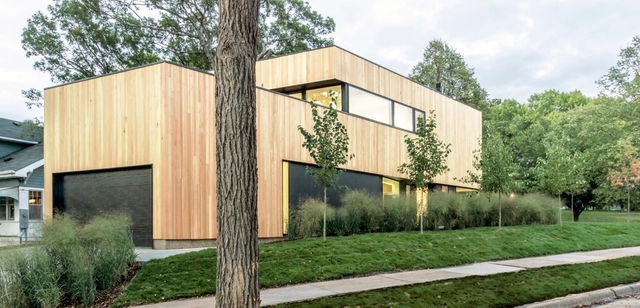


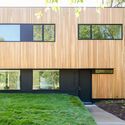


-
Architects: D/O
- Area: 1750 ft²
- Year: 2015
-
Manufacturers: Berhausen Design, Brokis, GE Lighting, James Hardie, Pella EFCO, +1
-
Professionals: Terra Vista, Brownsmith Restoration, Safe Haven


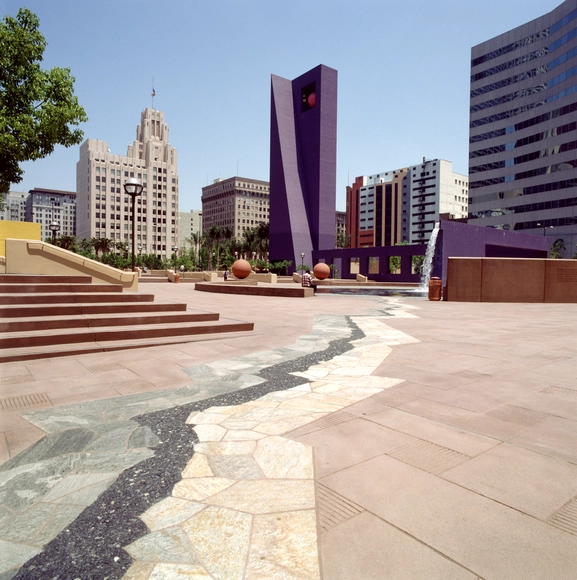
The recently announced competition to redesign Pershing Square, Los Angeles’ oldest park, will be at least the sixth iteration of the space in the heart of the city’s rapidly changing downtown. Occupying a full city block, what is now Pershing Square (named for the World War I general) was part of the 1781 Spanish land grant to the City of Los Angeles, and was officially dedicated as a park, originally called La Plaza Abaja, in 1866.[1] The current iteration, designed by Mexican architect Ricardo Legorreta and landscape architect Laurie Olin, with art installations by Barbara McCarren, opened in 1994. Just over twenty years later, the brightly-colored, geometric stucco structures, and the hardscape-heavy layout have faced extensive criticism–one local website is fond of calling it the city’s “most hated park”–but Legorreta and Olin’s design makes a bold statement for urban public space in Los Angeles, unmatched by any other park in the city.
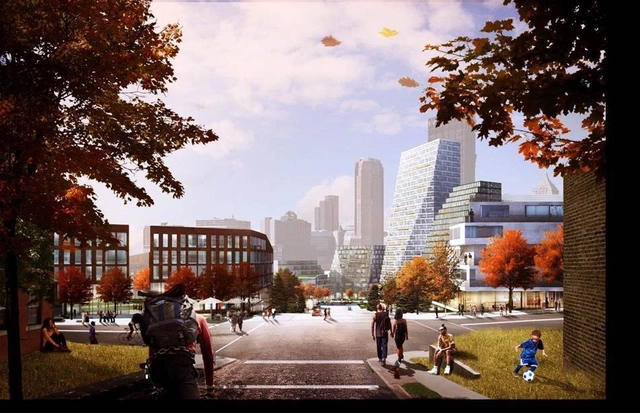
BIG, West 8 and Atelier Ten have revealed their masterplan design for Pittsburgh's Lower Hill district, just outside the city's downtown region. Located on the former site of Pittsburgh's Civic Arena, which was demolished in 2012 and has since left a significant hole in the city's fabric, the design will bring 1,200 residences and over 1 million square feet of retail space to the area, while reconnecting the wider Hill District with the downtown core by reinstating the city's road grid, overlaid with a series of pedestrian footpaths, public plazas and green spaces.
In his book We Have Never Been Modern, philosopher Bruno Latour concludes that an inability to make humanity and nature inherently separate is one of Modernism’s most misguided tropes. Thus, contemporary designers that hope to riff on or have continuity with modernism must understand that architecture, even at its most aestheticized, is not hermetically sealed off from the outside world - and that therefore modernism is not a plateau of design, but another base camp on the road to further refinement.
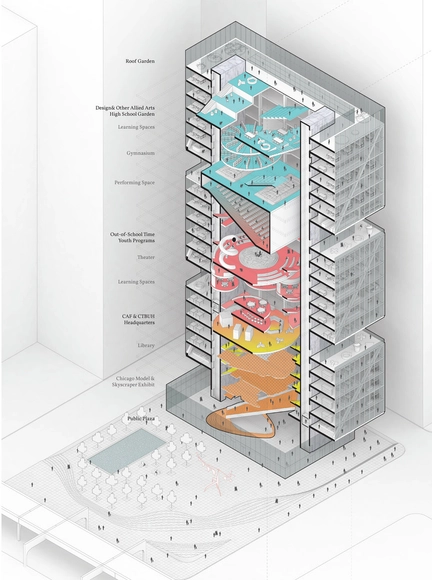
In Chicago, the city where Modernism reached both its metaphoric and physical peak, Atelier 2B, a team of Yewon Ji, Nicolas Lee, Ryan Otterson, recently shared the top-five prize of the Chicago Architecture Foundation's ChiDesign Competition (part of the Chicago Architecture Biennial) for their project Soft in the Middle: The Collaborative Core. Indebted to the legacy of Mies and the International Style, Atelier 2B proposed a Modernist-tower-redux that (externally at least) is composed of three stacked rectangular volumes bisected with terraces, set back from the street by a large public plaza. The project brief called for “a new center for architecture, design and education,” in a competition judged by critics including Stanley Tigerman, David Adjaye, Ned Cramer, Monica Ponce de Leon, and Billie Tsien.
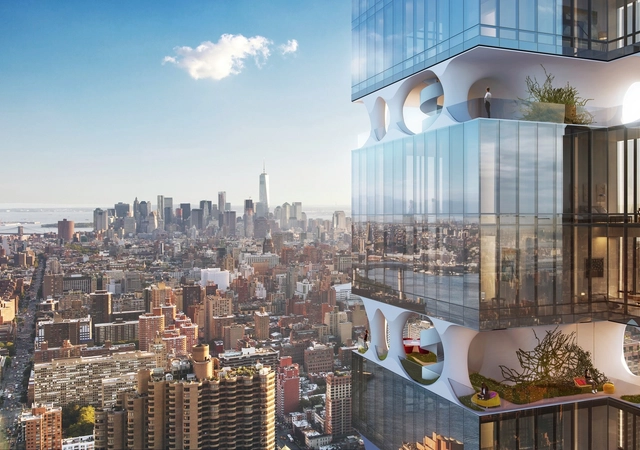
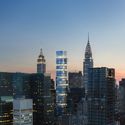
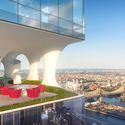
Inspired by the recent trend for super-skinny, super-tall skyscrapers currently dominating the Manhattan luxury residential market, ODA New York has developed a design for 303 East 44th Street which they describe as "a new urban reality" for the city. By taking a prototypical, modestly-sized tower building and stretching it skyward, the firm has inserted sculptural skygardens in the voids opened up between the floors to create a tower that combines the advantages of urban living with the spatial benefits of the suburban home.
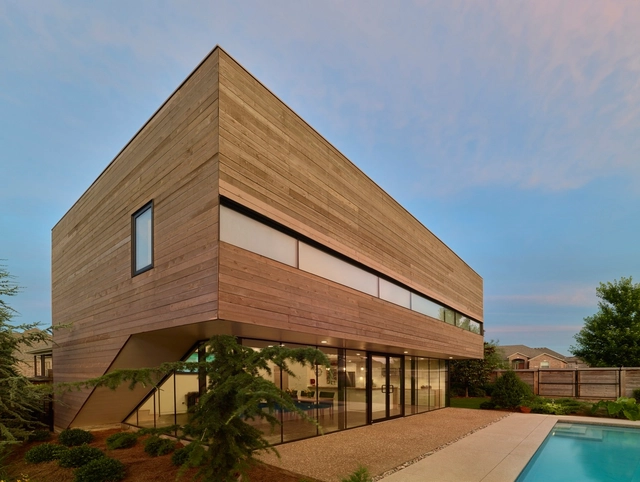
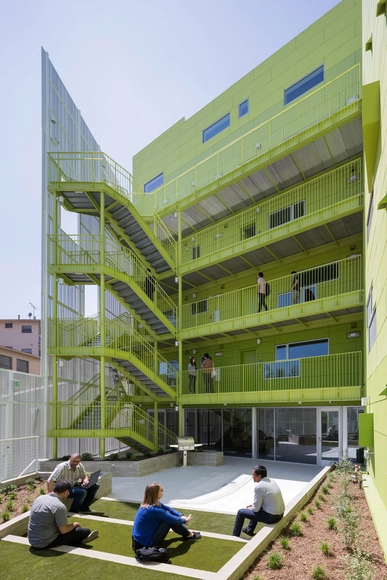
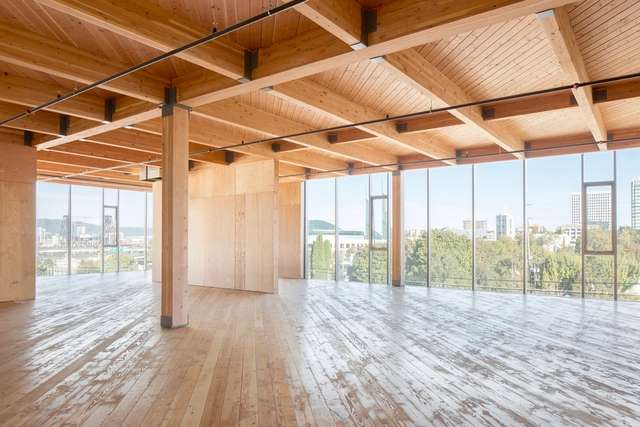

Dallas Architecture Forum, a non-profit organization for everyone interested in learning about and improving the architecture, design, landscape and urban fabric of the North Texas region is pleased to continue its 2015-16 Lecture Season with outstanding architect Billie Tsien, Co-Founder and Partner of Tod Williams Billie Tsien Architects - a New York City-based studio focused on work for museums, schools, and non-profit organizations. Tsien’s many projects include the new art museum for the Barnes Foundation collection, the American Folk Art Museum in New York, projects for Lincoln Center in New York and Cranbrook in Michigan, and the Dallas residence for the developer of Urban Reserve.
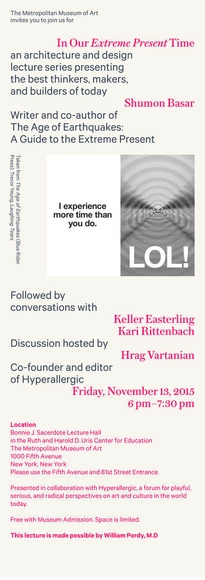
In Our Time is an architecture and design lecture series presenting the best thinkers, makers, and builders of today.

Learn how to create your own eye-catching photographs of the city’s built environment in this hands-on workshop with architectural photographer Matthew Carbone. An introductory discussion about techniques, relevant mobile phone apps and considerations of lighting and composition particular to on-site architectural photography will be followed by an outdoor shooting session in the iconic South Street Seaport neighborhood. Class size limited to allow for individual feedback and instruction.
Thirty-five years ago today, an Act of Congress established the nation’s only museum dedicated to the history and impact of the built environment. To celebrate our birthday, we’re throwing open our doors and offering free admission to all, as well as birthday festivities throughout the day. Learn more at go.nbm.org/35years.

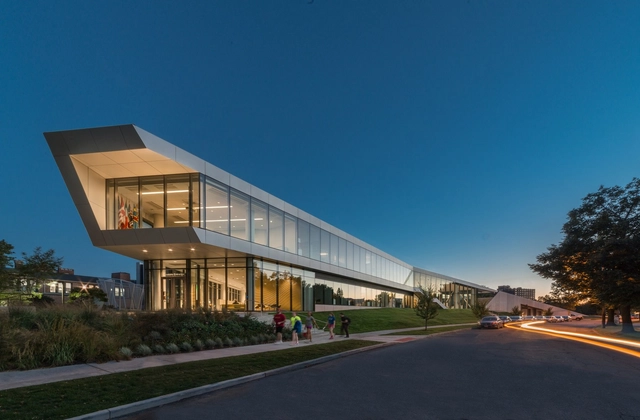
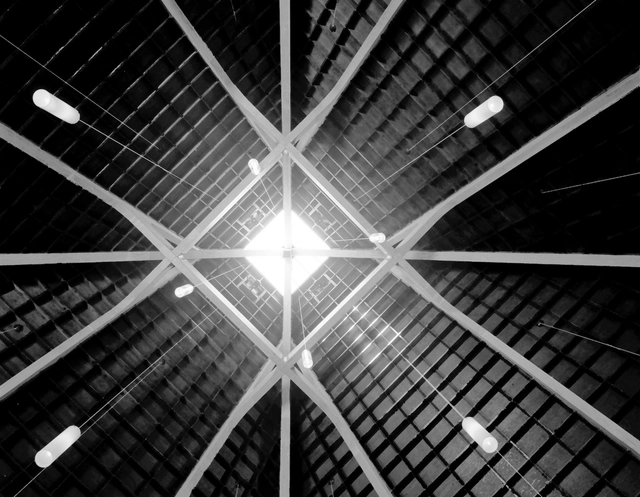
This fall, the Julius Shulman Institute at Woodbury University presents Matter, Light, and Form: Architectural Photographs of Wayne Thom, 1968-2003 at the Woodbury University Hollywood Gallery (WUHO).

Author R. Andrew Bittner discusses the techniques used to build the Washington National Cathedral in his newly-released book from Arcadia Publishing (2015). The construction of this neo-Gothic cathedral is presented in photographic detail. A book-signing follows the talk. Book price: $19.80 Member | $21.99 Non-member.

Washington’s Brookland neighborhood gained a jolt of artistic energy with the renovation of Dance Place studio and construction of Brookland Artspace Lofts. Dance Place incorporates a theater, office space, and an expanded dance studio. Brookland Artspace Lofts, a 78,000-square-foot residential development, provides 40 affordable live/work studios for working artists. Yolanda Cole, AIA, IIDA, LEED AP; Holly Lennihan, RA, LEED AP; and Starr Ashcraft, LEED AP BD+C with Hickok Cole Architects lead a tour of the buildings and explains how the programmatic needs unique to artists impacted their final designs. 1.5 LU HSW (AIA) / 1.5 CM (AICP) / 1.5 PDH (LA CES)