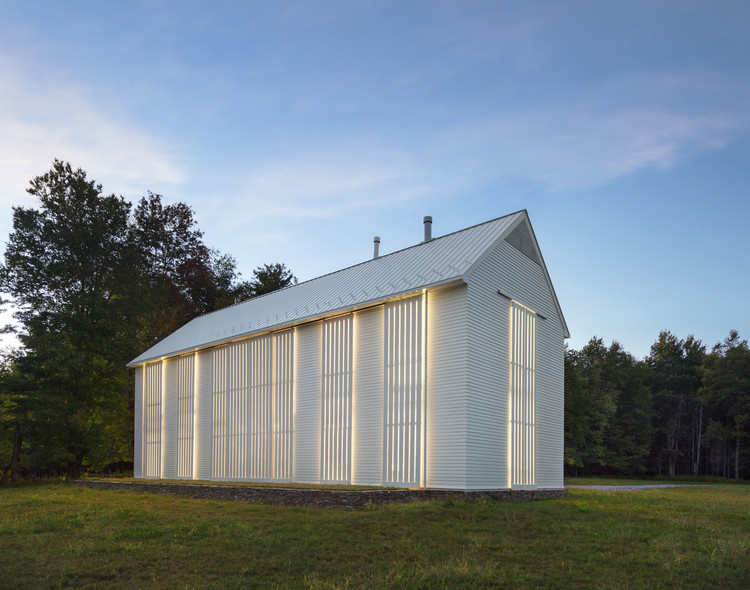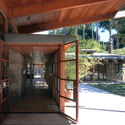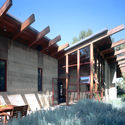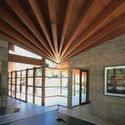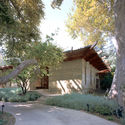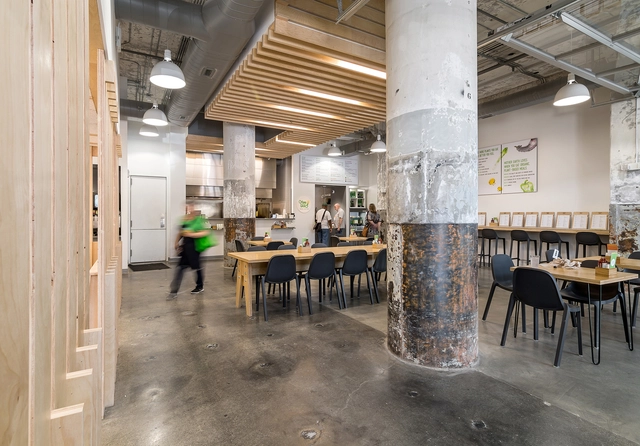




-
Architects: archimania
- Area: 2040 m²
- Year: 2017
-
Manufacturers: Armstrong Ceilings, Baselite, Marlite, Wilsonart
-
Professionals: HNA




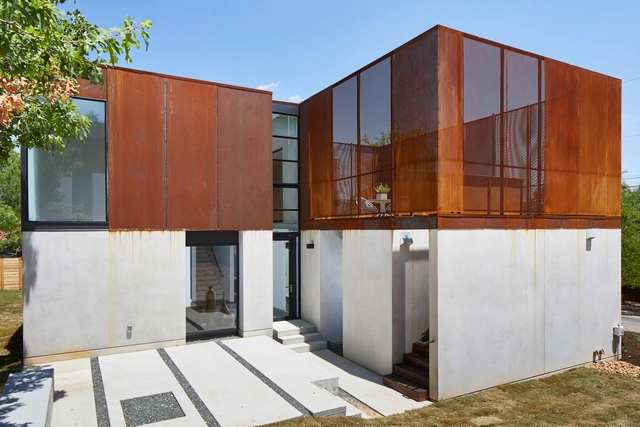
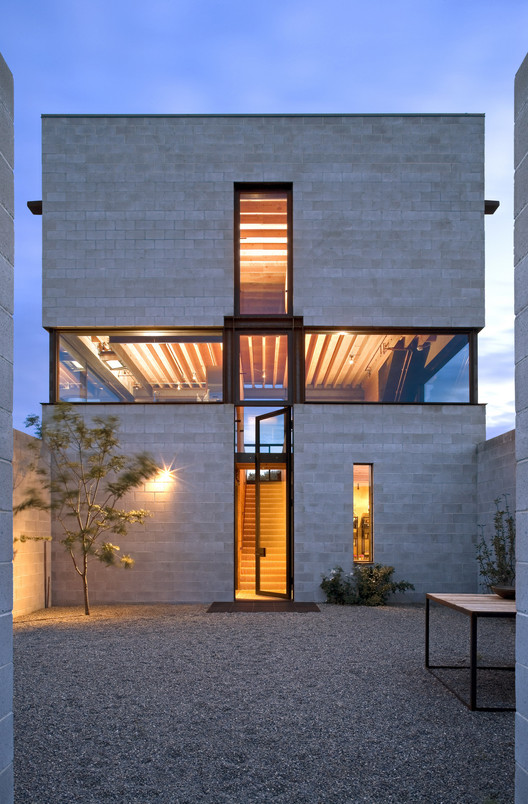
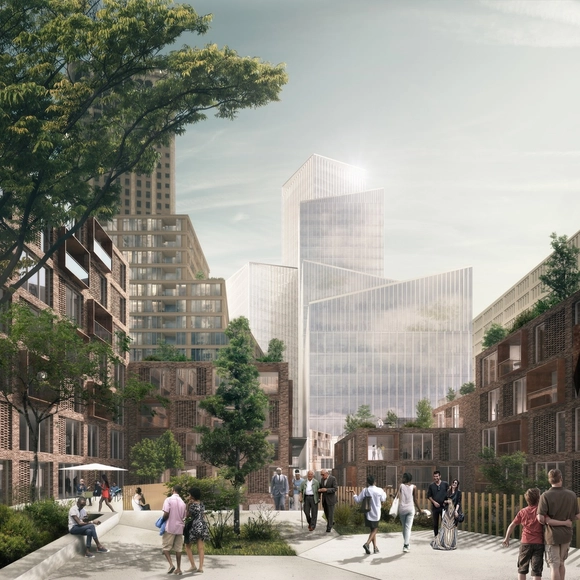
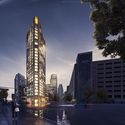
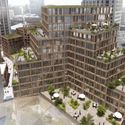
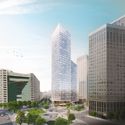
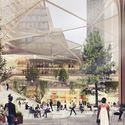
Schmidt Hammer Lassen Architects has unveiled the design of their first-ever project in the United States: the Monroe Blocks, a new mixed-use development that will become an iconic symbol of the rejuvenation and future development of downtown Detroit. Prioritizing public access both indoors and out, SHL’s scheme will consist of Detroit’s first new highrise office tower in decades, more than 480 residential units and a network of new public plazas and green spaces.

The city of Los Angeles manufactures the myth of its own aspirational promise with cult-like fervor showcasing both spectacular virtuosity and deep social myopia - at once its glory and its menace, as Frank Lloyd Wright might have said. LA often stands apart as the urban sing-song of denial replete with clenched eyes and muffled ears. Thus, an illustration of homeless architecture which draws from the same artistic tools and idealism that typically supports the other end of the housing spectrum satirizes the ubiquity of the illusion machine and asks viewers to consider their place on the assembly line of fantasy.

As a point of entry and exit, a threshold has a dual coding in society as both a physical and symbolic marker of separation and connection. Thresholds are often explicitly hard-edged or even brutal in their expression, demarcating rigid boundaries, as in the definitive lines of walls, barricades, and security checkpoints in buildings, around cities, or across larger territories. Too often, thresholds also divide human activity or communities according to social, ethnic, national, or economic characteristics. Architecture and planning can unwittingly contribute to these different forms of physical separation, especially in ways made visible through their practitioners’ interpretations of culture, religion, or legislation. As the academic disciplines that inform spatial practices, architecture and planning are themselves often similarly separated by disciplinary thresholds, inhibiting porosity between fields of research. By definition, an individual discipline necessarily is organized around a self-referential center of discursive production, but this often happens at the expense of the richness found at the intersection of multiple disciplinary perspectives. Is architecture, in its compulsive drive to create the autonomous object, inherently hardening the thresholds separating it from other disciplines and, by extension, reproducing those schisms within the built environment? Can architecture and planning intentionally construct soft thresholds―lines that are easily traversed, even temporarily erased―thereby allowing for multiple perspectives across different modes of research and practice and catalyzing disciplinary and social connections? What, then, is the physical expression of a soft threshold―a space that is visually and physically porous, plural in spirit, encompassing of its context, and yet rigorous in its expression?