




-
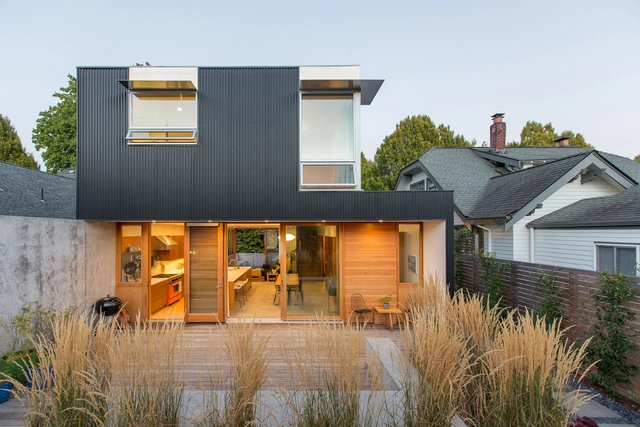
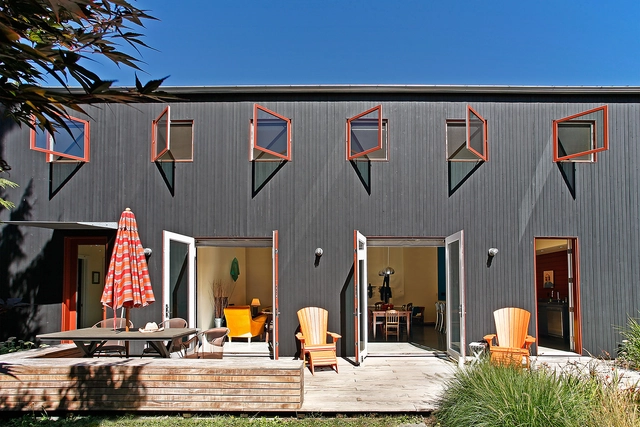
Architects: DYNIA ARCHITECTS
- Area: 5000 ft²
- Year: 2008
-
Manufacturers: Dynamic Architectural Windows & Doors, Hemlock, Ipe


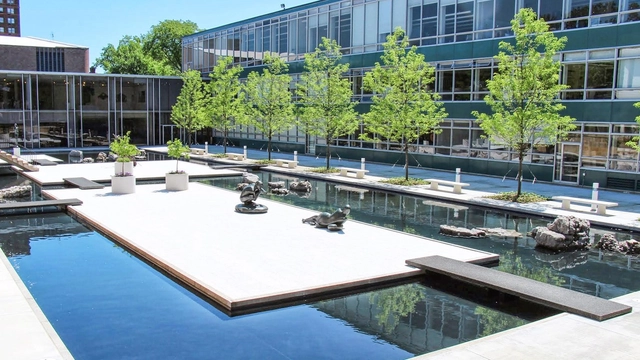
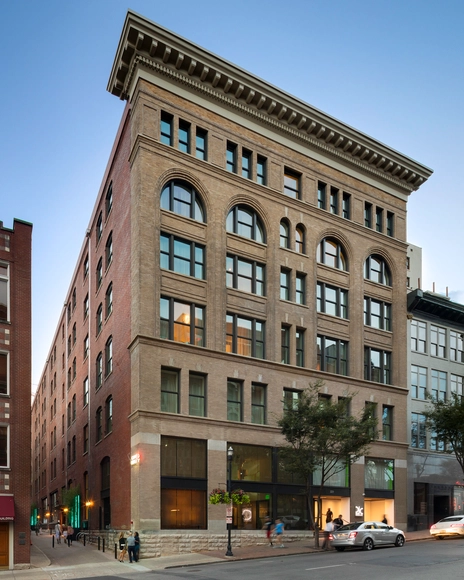
For most of the 20th century, Detroit was our nation’s economic dynamo. This heritage is reflected in the treasure trove of outstanding historic homes, buildings, and factories that still define the cityscape. While Detroit has struggled into the 21st century, its role as a center for architectural innovation is undiminished. With stunning early 20th-century mansions, grand Art Deco skyscrapers, and surprising mid-century masterpieces, the Motor City has more to offer than most realize. Explore the Cranbrook Academy of Art, Lafayette Park, Eastern Market, private homes, and special projects by local preservation organizations. Learn about how Detroit is rebounding while experiencing the innovative and seminal works of great architects like Eliel Saarinen, Daniel Burnham, Cass Gilbert, John Burgee, Albert Kahn, Minoru Yamasaki, and Mies van der Rohe along the way.
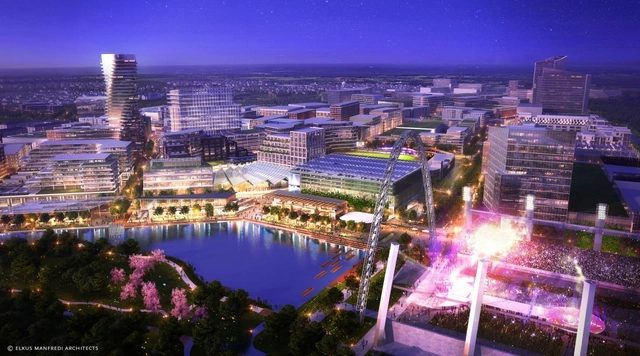
“Smart cities” are the latest urban phenomenon popping up across the globe. Among the newest being realized will be Union Point, a masterplan with a commitment to innovation located just south of Boston, USA.
What is a “smart city?” It is a city in which embeds multiple data collection technologies within the city in hopes of providing a supportive and competitive advantage to the city’s residents and business. Officials then use this data to make their cities safer, healthier, and more efficient. Cities are not geniuses quite yet, but the “smart city” is rethinking the way cities are run.
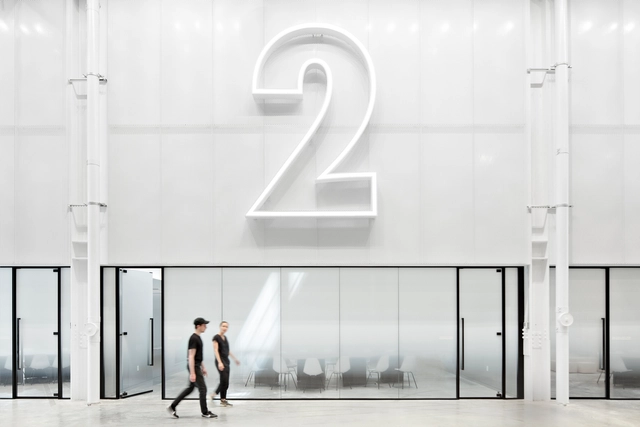


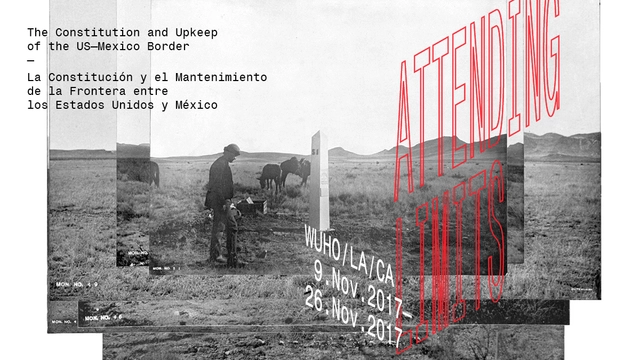
277 obelisk monuments mark the US–Mexico boundary line. Constructed in three distinct phases (1849–1856, 1891–1912, and 1964–1968), these monuments were the product of territorial negotiations, disputes that were settled ranging from the violent expansion of sovereign limits to the shifting course of a historic boundary river. Commissioned, inscribed, and placed by both the United States and Mexico, they served as unique bilateral artifacts that operated across and reflected on separate territories, forms of settlement, and philosophies of nationhood. Attending Limits: The Constitution and Upkeep of the US–Mexico Border presents the international boundary through a history of its material artifacts and the modes of representation they have motivated. Through the display of original text, animation, photographs, scale models, and maps, the exhibition theoretically frames an evolution of the US–Mexico border from single line to geopolitical territory.