


-
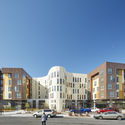
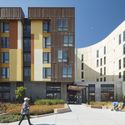
Architects: David Baker Architects
- Year: 2016
-
Manufacturers: Bok Modern, Solarlux, Armstrong Ceilings, CertainTeed, James Hardie, +2


_HI_RES_(5)_copy.jpg?1539181939&format=webp&width=640&height=580)
_-_Administration_and_Cour_d'Honneur.jpg?1497053167&format=webp&width=640&height=580)
The United States had made an admirable showing for itself at the very first World’s Fair, the Crystal Palace Exhibition, held in the United Kingdom in 1851. British newspapers were unreserved in their praise, declaring America’s displayed inventions to be more ingenious and useful than any others at the Fair; the Liverpool Times asserted “no longer to be ridiculed, much less despised.” Unlike various European governments, which spent lavishly on their national displays in the exhibitions that followed, the US Congress was hesitant to contribute funds, forcing exhibitors to rely on individuals for support. Interest in international exhibitions fell during the nation’s bloody Civil War; things recovered quickly enough in the wake of the conflict, however, that the country could host the Philadelphia Centennial Exhibition in 1876. Celebrating both American patriotism and technological progress, the Centennial Exhibition was a resounding success which set the stage for another great American fair: the World’s Columbian Exposition of 1893.[1]
This article was originally published on September 28, 2013. To read the stories behind other celebrated architecture projects, visit our AD Classics section.
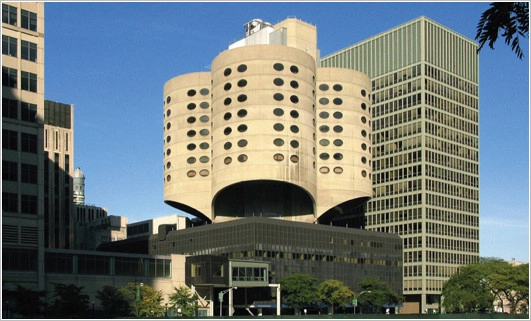
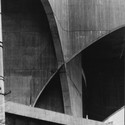
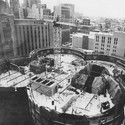
Hospital buildings, with their high standards of hygiene and efficiency, are a restrictive brief for architects, who all too often end up designing uninspiring corridors of patient rooms constructed from a limited palette of materials. However, this was not the case in Bertrand Goldberg's 1975 Prentice Women's Hospital. The hospital is the best example of a series of Goldberg-designed medical facilities, which all adhere to a similar form: a tower containing rooms for patient care, placed atop a rectilinear plinth containing the hospital's other functions.
Read on for more about this masterwork of humanist brutalism...
This article was originally published on February 11, 2014. To read the stories behind other celebrated architecture projects, visit our AD Classics section.
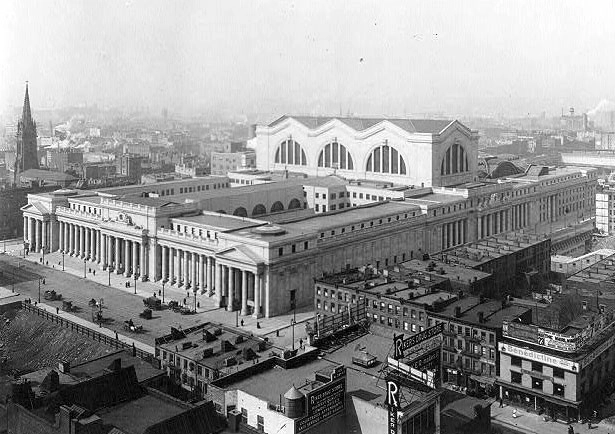
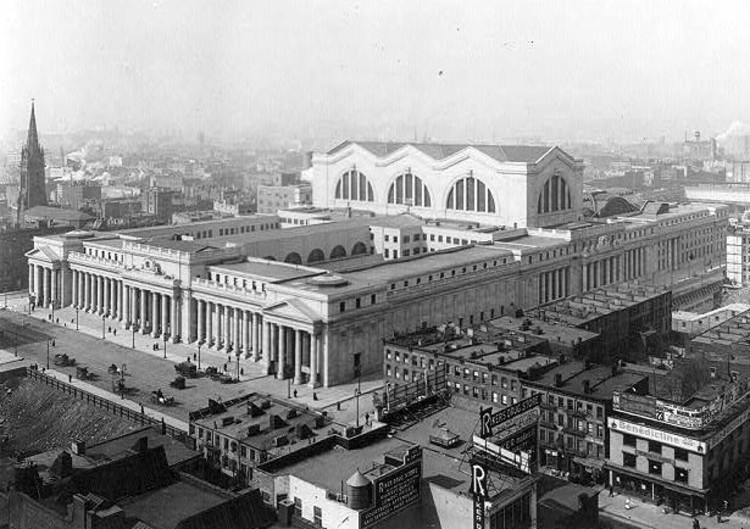
New York City’s original Pennsylvania Station was a monument to movement and an expression of American economic power. In 1902, the noted firm McKim, Mead and White was selected by the President of the Pennsylvania Railroad to design its Manhattan terminal. Completed in 1910, the gigantic steel and stone building covered four city blocks until its demolition in 1963, when it ceded to economic strains hardly fifty years after opening.
.jpg?1538547520&format=webp&width=640&height=580)
.jpg?1538527657&format=webp&width=640&height=580)

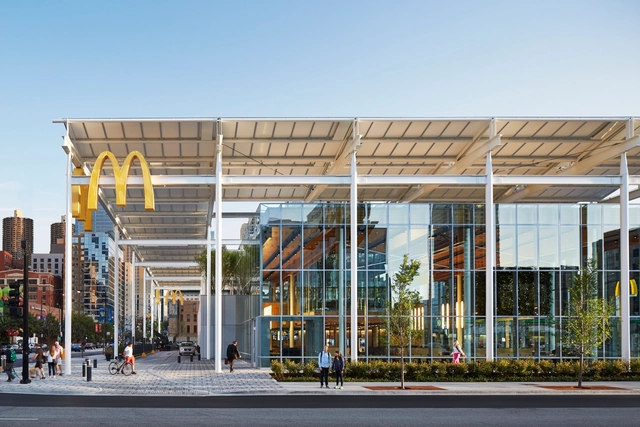
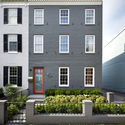


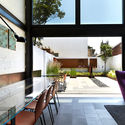

_(2).jpg?1539219147&format=webp&width=640&height=580)

_(1).jpg?1539219124 "© Robin Hill")

_HI_RES_TIFF_(17)_N2.jpg?1539219112 "© Robin Hill")
_(2).jpg?1539219147)



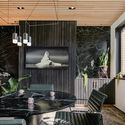

_HI_RES_(13)_copy.jpg?1539181964 "© Robin Hill")
_HI_RES_copy.jpg?1539182050 "© Robin Hill")
_HI_RES_copy.jpg?1539181952 "© Robin Hill")
_HI_RES_(7)_copy.jpg?1539181989 "© Robin Hill")
_HI_RES_(5)_copy.jpg?1539181939)
_-_Midway_2.jpg?1497053349 "Courtesy of Wikimedia user RillkeBot (Public Domain)")
_-_USG_Building_and_Ho_O_den.jpg?1497053430 "Although the building itself was handsome, the exhibits of the United States Government Building failed to entice many of the fair’s visitors. In the foreground stands the Ho-O-Den, a replica medieval Japanese palace. ImageCourtesy of Wikimedia user RillkeBot (Public Domain)")
_-_Birds_Eye.jpg?1497053224 "Courtesy of Wikimedia user scewing (Public Domain")
_-_Map.jpg?1497053293 "A map of the 1893 Exposition shows how much of the fair’s buildings were laid out on axis with the court of honor. ImageCourtesy of Wikimedia user scewing (Public Domain)")
_-_Administration_and_Cour_d'Honneur.jpg?1497053167)










.jpg?1538547880 "© Albert Vecerka/Esto")

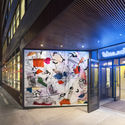
.jpg?1538547762 "© Albert Vecerka/Esto")
.jpg?1538547520)
.jpg?1538527622 "© Garrett Rowland")
.jpg?1538527566 "© Garrett Rowland")
.jpg?1538527723 "© Garrett Rowland")
.jpg?1538527673 "© Garrett Rowland")
.jpg?1538527657)