

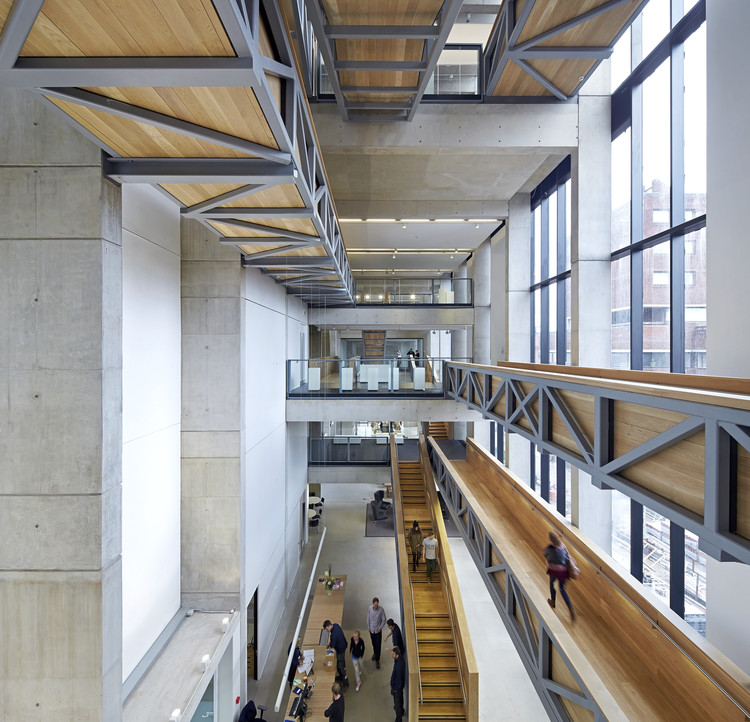
-
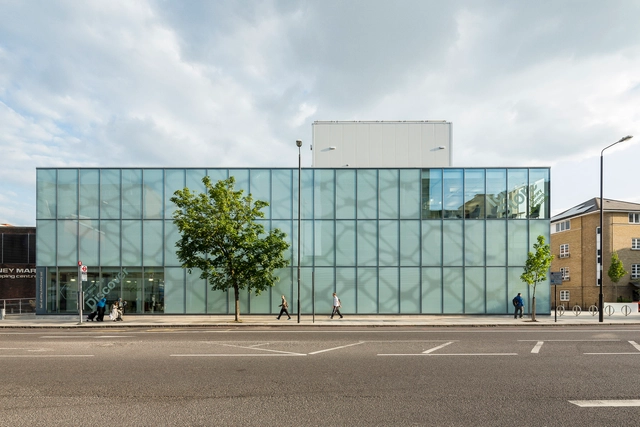
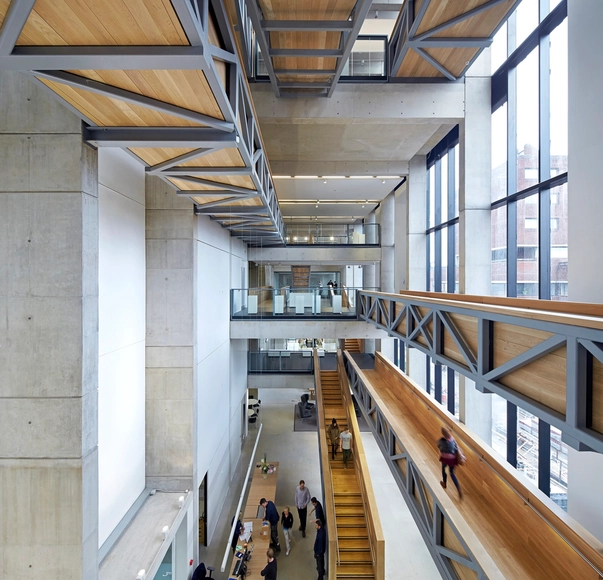
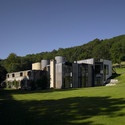
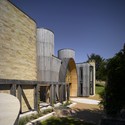
Architects: Feilden Clegg Bradley Studios
- Area: 17320 m²
- Year: 2013
-
Manufacturers: Troldtekt, Steel Color
-
Professionals: Arup, Turner & Townsend


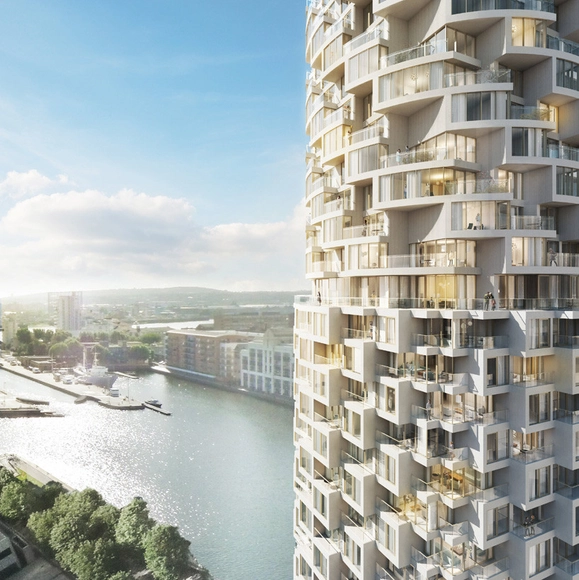
London firm Allies and Morrison has submitted planning applications for a 9.23 hectare, mixed-use development east of London’s Canary Wharf. Dubbed “Wood Wharf,” the new neighborhood will include upwards of 3,000 homes, 240,000-square-meters of commercial office space, 100 retail outlets, hospitality and more - all interconnected by a 3.6 hectare network of public space.
A 56-story, cylindrical skyscraper designed by Herzog & de Meuron will be one of three residential buildings planned for the scheme’s first phase, designed in collaboration with Stanton Williams. Allies and Morrison, who provided the revised masterplan for Canary Wharf Group, will design the first two office blocks targeted at technology-based companies.


Arup Associates was founded in 1963 by the legendary engineer Ove Arup as a design practice in which engineers and architects worked on an equal footing; it later became a subsidiary of Arup (also founded by Arup as Arup and Partners in 1946). These early origins marked Arup Associates as a forward-thinking and revolutionary practice in an era where truly multi-disciplinary practices were almost unheard of.
To celebrate their 50th anniversary, Arup Associates is hosting a retrospective exhibition at their offices in London.

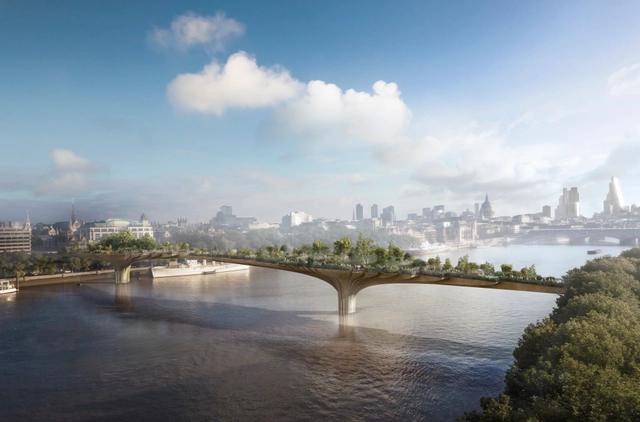
After winning a Transport for London (TfL) tender for ideas to improve pedestrian access across the River Thames, Thomas Heatherwick and Arup unveiled plans for a new, 367-meter long ‘Garden Bridge’ that will span the river from Temple to the Southbank. The lush pedestrian corridor, earmarked for opening in 2017, would be the first new crossing since the Millennium Bridge opened to the public in 2002.
More details and updated images after the break...
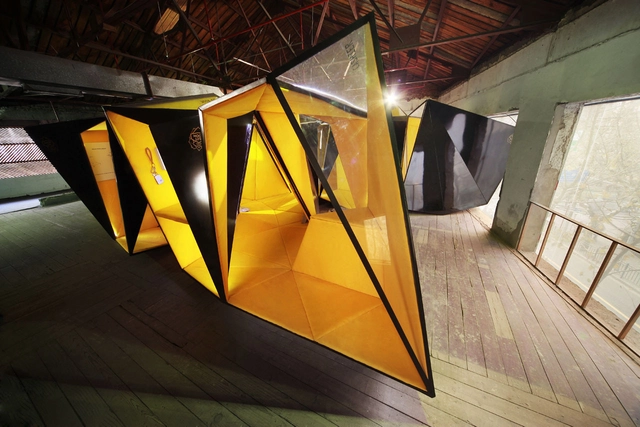
The Battle of Ideas is an annual, weekend-long series of panel discussions hosted at the Barbican in London, ranging across subjects from neuroscience to music and everything in between. With a strong thread of architecture and urbanism, this year offered a spectacular chance to probe the popular trends and fads in today's design culture.
Read on after the break for the highlights of the event.
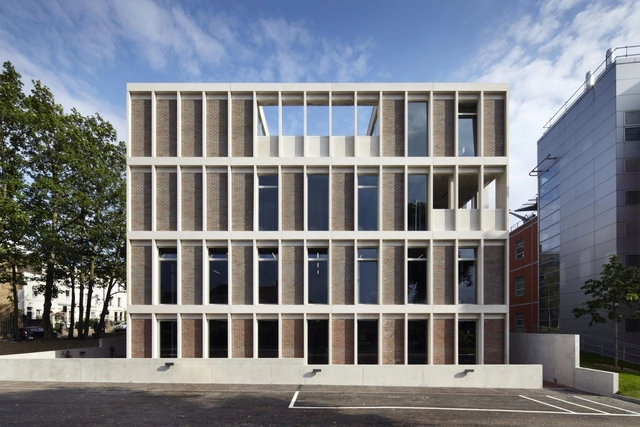

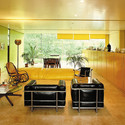
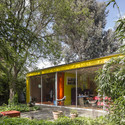
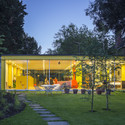
The Rogers House, designed by Richard and Su Rogers in 1968, is one of the lesser known architectural works from the master who went on to design the Centre Pompidou in Paris with Renzo Piano. The house, which represented British Architecture at the 1967 Paris Biennale, was commissioned by Rogers' parents and was granted Grade II* Listing in February 2013 - a rare accolade for a building so recent - cementing its importance in the architectural heritage of the United Kingdom.
Described by Rogers as "the most successful small project I've been involved in", the house carefully balances the openness of shear glass facades with the need to provide his parents with privacy and seclusion - a task made harder by the building's location, just a short walk from Wimbledon Village in central London. Incorporated within the design is a separate flat and pottery studio which were positioned to provide a sound barrier between the house of the adjacent road. It is, essentially, "a transparent tube with solid boundary walls".

.jpg?1381466807&format=webp&width=640&height=580)
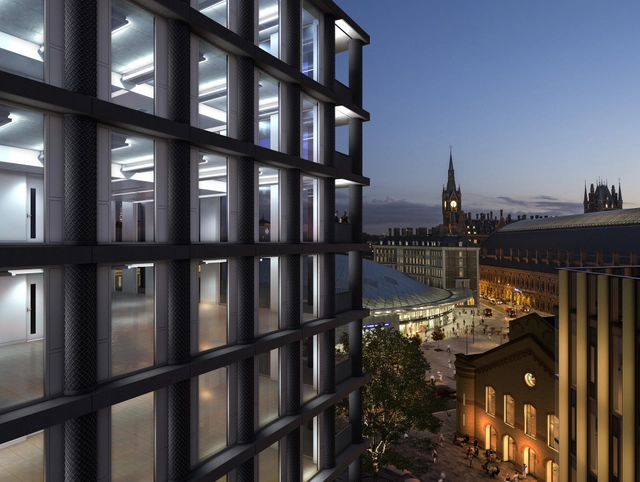
London's King's Cross has seen a surge of redevelopment in recent years, the most iconic of which - John McAslan + Partner's new concourse for King's Cross Station - was completed last year. The area has also been defined by the new Central Saint Martin's campus, designed by Stirling Prize winner Stanton Williams, and Google's new London headquarters. Plans have now been unveiled for Gridiron (One St. Pancras Square), a 50,000 square foot office building nestled between St. Pancras International and King's Cross Stations, designed by David Chipperfield Architects and set for completion in the first half of 2014.







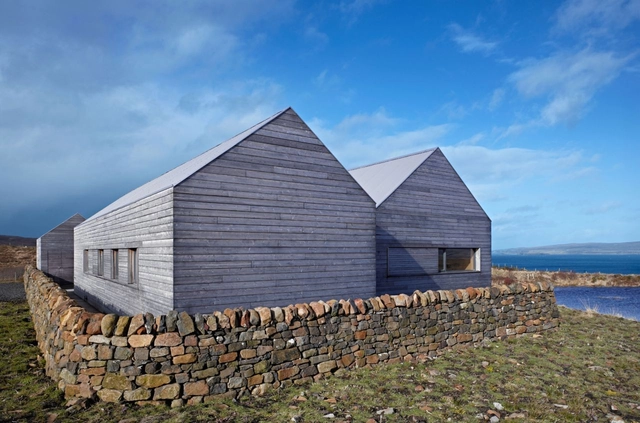
Andrew_Lee_002.jpg?1384648013 "© Andrew Lee")
Andrew_Lee_003.jpg?1384648040 "© Andrew Lee")
James_Benedict_Brown_004.jpg?1384648330 "© James Benedict Brown")
James_Benedict_Brown_002.jpg?1384648296 "© James Benedict Brown")

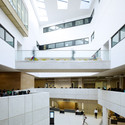


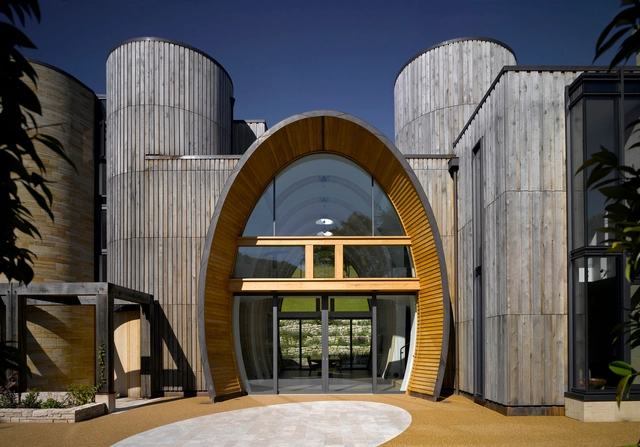








.jpg?1381466864 "© Ioana Marinescu")
.jpg?1381466858 "© Ioana Marinescu")
.jpg?1381466912 "© Jakob Spriestersbach")
.jpg?1381466834 "© Ioana Marinescu")
.jpg?1381466807)