-
Architects: Form_art Architects
- Area: 115 m²
- Year: 2013
-
Professionals: Famella Building Contractors, Hardman Structural Engineers


_Filip_Dujardin_(43).jpg?1389925139)
.jpg?1389747228&format=webp&width=640&height=580)
Third Natures presents 15 years of speculations, projects and built proposals by the Madrid- based duo of Cristina Díaz Moreno and Efrén García Grinda and their collaborators, ranging from the beginnings of the practice in 1997 to their latest works, completed in 2013. In total, 26 projects are shown through drawings, models, objects and photographs. All this material is organised according to laws of affinity and connection, in an attempt to convey the vast range of the projects and their main field of operation – the space of mediation between people, objects, natural species and built environments.
The title for this collection draws on a term first coined during the Renaissance to refer to a new type of garden that created a new and hitherto unknown reality – a ‘third nature’ – with a radical new materiality that was constructed through cultural connections. In the same way, the practice explores how cultural materials can be assimilated and then given back to the world in the form of proposals with strong links to contemporary society. Their approach, both critical and celebratory, is based on the emergence of new, extreme and unexpected forms of beauty. For further details, please click here.
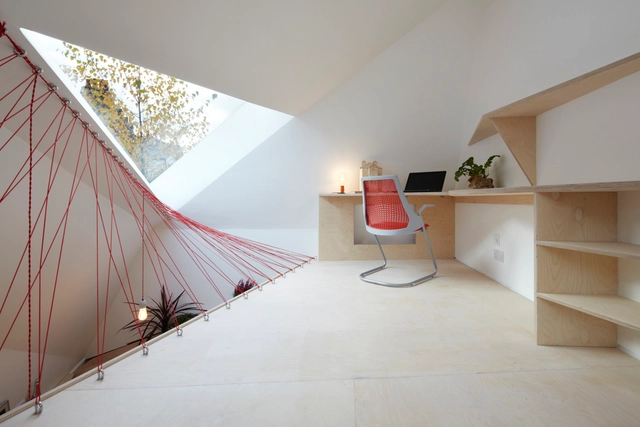
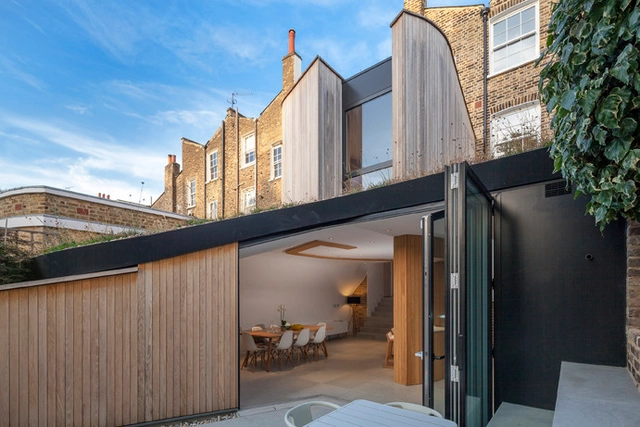
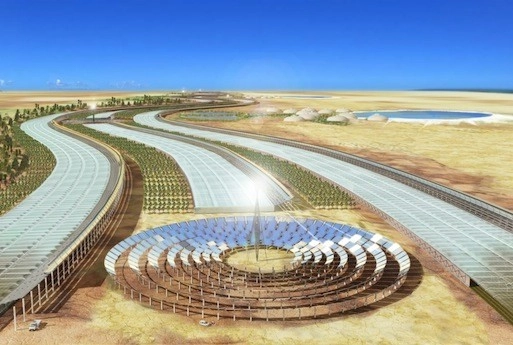
In February 2014, The Architecture Foundation will present Exploration Architecture: Designing with Nature, the first ever solo show of Exploration, a thought-leading architecture and design practice working in the field of biomimicry.
A striking 3D printed installation will showcase a selection of four projects and prototypes from the studio’s cutting-edge research on sustainable, nature-inspired design, including two new, previously unpublished designs. Study models, sketches and specially commissioned short films introducing Exploration’s projects will be presented alongside a myriad of natural specimens that inspired the designs – offering unique insight into the studio’s practice of learning from nature in order to deliver future-facing solutions for architecture, systems design and materials production that address the major challenges of our age.
_SDL-02.jpg?1389723406&format=webp&width=640&height=580)
Daniel Libeskind has released images of a new “landmark” building planned for Durham University’s Ogden Centre for Fundamental Physics in England. The £10 million facility, which will house the industry-leading Institute for Computational Cosmology and Institute for Particle Physics Phenomenology, was awarded to Libeskind after the New York-based architect won a competition for the project last July. When completed in 2015, the timber building is expected to “complement” the traditional buildings that surround it while serving as an exemplar for sustainable design.
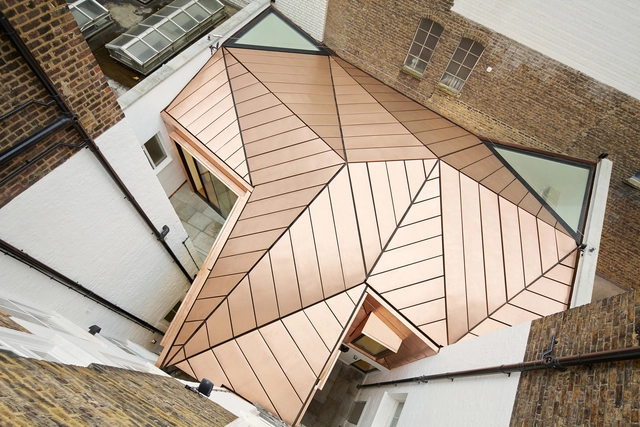
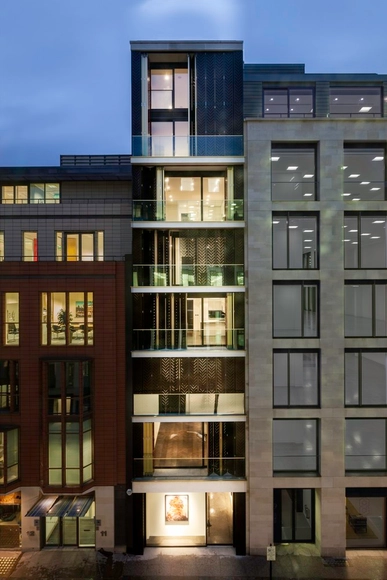
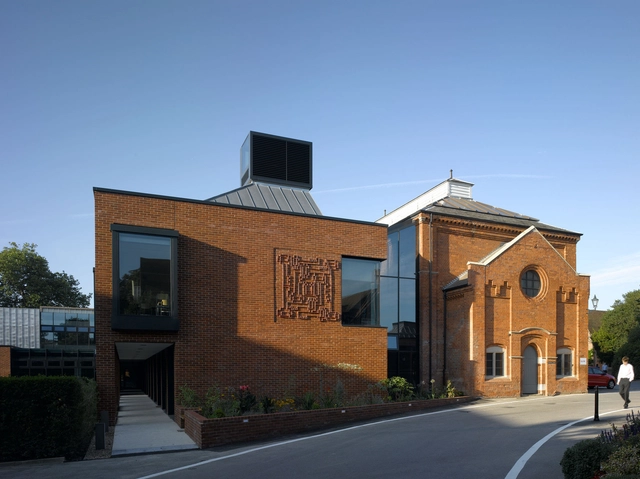
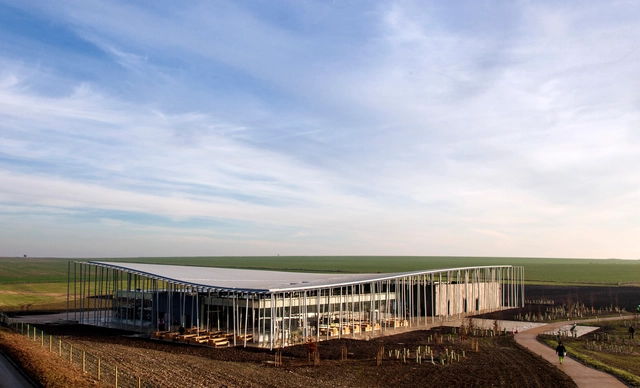


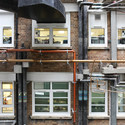
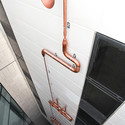
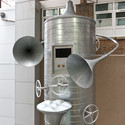
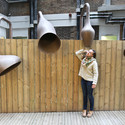
Text description provided by the architects. The Lullaby Factory is an intervention by Studio Weave which makes the best of a bad situation: a recently designed building at Great Ormond Street Childrens' Hospital, the Morgan Stanley Clinical Building, was designed to look onto an open space - a view which, thanks to the hospital's phasing of developments, will be obstructed by the Southwood Building for another 15 years.
In the intervening time, something had to be done about the view onto the narrow alleyway and industrial facade of the Southwood Building. Studio Weave re-imagined the building, covered in pipework, as a fantastical factory, manufacturing lullabies for the children staying in the hospital.
Read on after the break for more on Studio Weave's clever intervention...



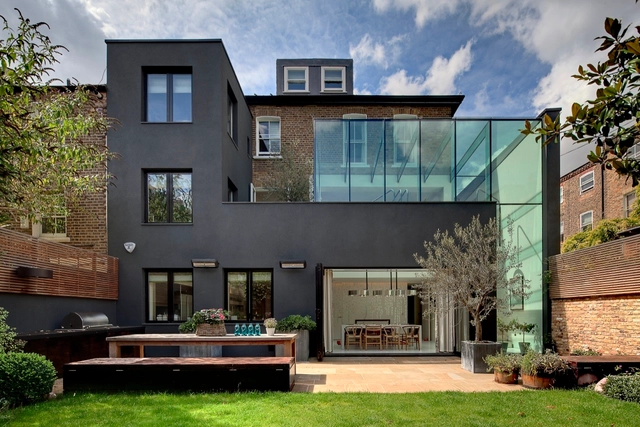

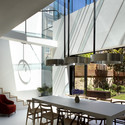



_Filip_Dujardin_(41).jpg?1389925103 "© Filip Dujardin")
_Filip_Dujardin_(16).jpg?1389924845 "© Filip Dujardin")
_Filip_Dujardin_(9).jpg?1389924761 "© Filip Dujardin")
_Filip_Dujardin_(13).jpg?1389924776 "© Filip Dujardin")
_Filip_Dujardin_(43).jpg?1389925139)