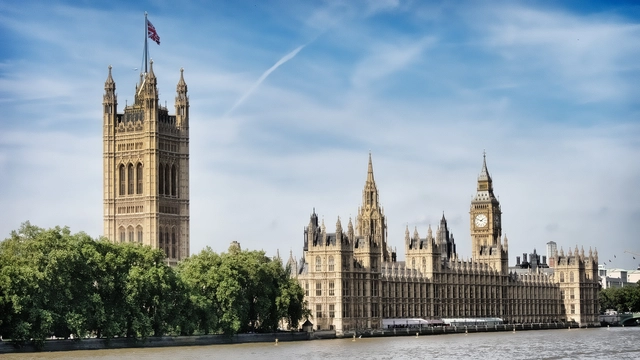
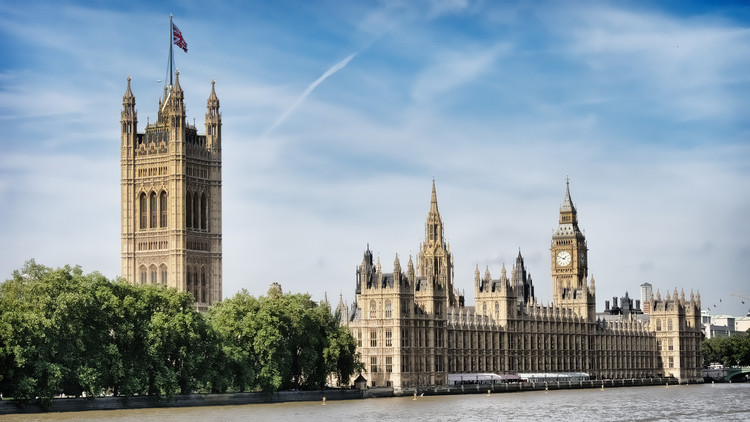
The Palace of Westminster as seen from the River Thames. Image Courtesy of Flickr user Alex Brown
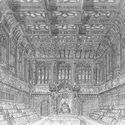
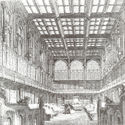
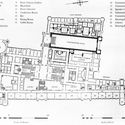
At 6:20pm on the evening of October 16, 1834, a fire began in the old Palace of Westminster in London – the foremost seat of parliamentary governance for both the United Kingdom and the British Empire across the seas. The inferno, which burned until the early hours of the morning, destroyed so much of the medieval complex that neither restoration nor preservation were considered viable options – a new palace would have to rise from the ashes to surround the largely undamaged Westminster Hall.[1] The fire gave the United Kingdom a chance not only to replace what was considered as an outdated, patchwork of government buildings, but to erect a Gothic Revival landmark to spiritually embody the pre-eminence of the United Kingdom across the world, and the roots of modern democracy.
In Scotland 2016 is the Year of Innovation, Architecture & Design. Initiated by a group of architects, photographers, engineers, visual artists, curators and musicians the Architecture Fringe is an independent, contributor-led series of events and projects across the arts which will explore architecture and how it makes a difference to our lives.
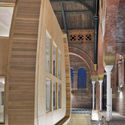
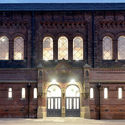
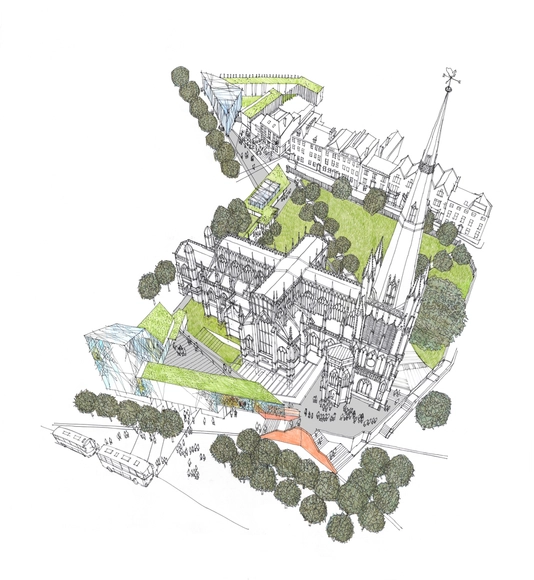
Purcell has been announced as the winner of the St Mary Redcliffe Design Competition, organized by Malcolm Reading. The competition sought a design which successfully reconciled the preservation of the building in its historical form with the necessary expansion to accommodate growing programmatic requirements.
The two-stage competition drew initial submissions from 53 practices, both local and international. Of these, Eric Parry Architects, Carmody Groarke, Feilden Clegg Bradley Studios, dRMM and Purcell were invited to submit concept designs, all of which can be viewed here. Purcell's winning design uses two main axes to "stitch" the church into its neighborhood and is described by Malcolm Reading as showing "the deepest understanding of the site and context and the opportunity at St Mary Redcliffe."
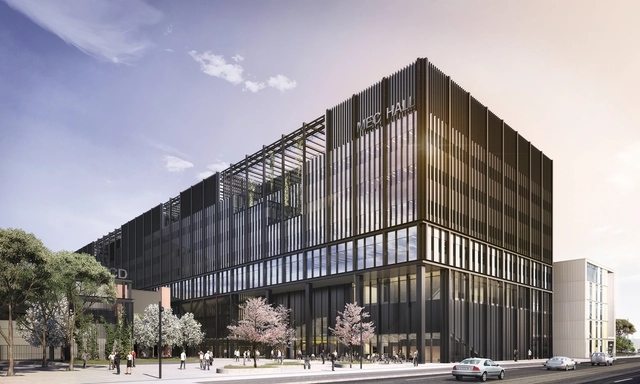
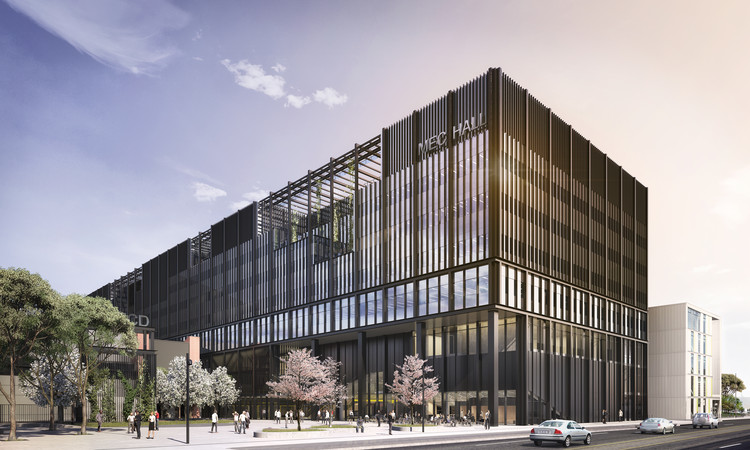
The University of Manchester’s Mecanoo-designed engineering campus has received planning permission from the Manchester City Council, greenlighting the £350 million project. The Manchester Engineering Campus Development is part of the University’s campus masterplan, meant to bring together a multidisciplinary engineering and scientific community and to consolidate the University’s campus around Oxford Road. The project is one of the largest single construction projects ever undertaken by an institution of higher education in the United Kingdom. MEC Hall, the main building of Mecanoo’s development, is 195 meters long.
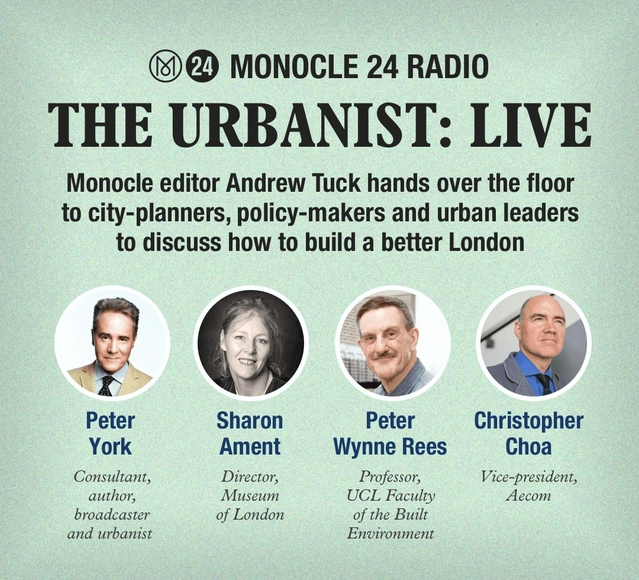
Join us for this special live episode of The Urbanist at our Marylebone HQ, where Monocle editor Andrew Tuck hands over the floor to city-planners, policy-makers and urban leaders to discuss how to build a better London. How would you fix the capital? We’ll look at transport, culture, housing, business, the night-time economy and much more. Be part of the debate following the election of the city’s new mayor.
The Architecture Foundation is inviting applications to join a masterclass, which will be staged in the James Stirling-designed Florey Building at The Queen’s College, Oxford.
Six studios will consider the typology of the university, through the development of a speculative design over the course of four days (Thursday September 8th-Sunday September 11th). The studio leaders will present lectures over the course of the masterclass while the Drawing Matter Foundation will stage an exhibition drawn from its holdings of 1960’s architectural drawings. On the evening of September 12th, the studios will present their projects at a public event at London’s Barbican Arts Centre.
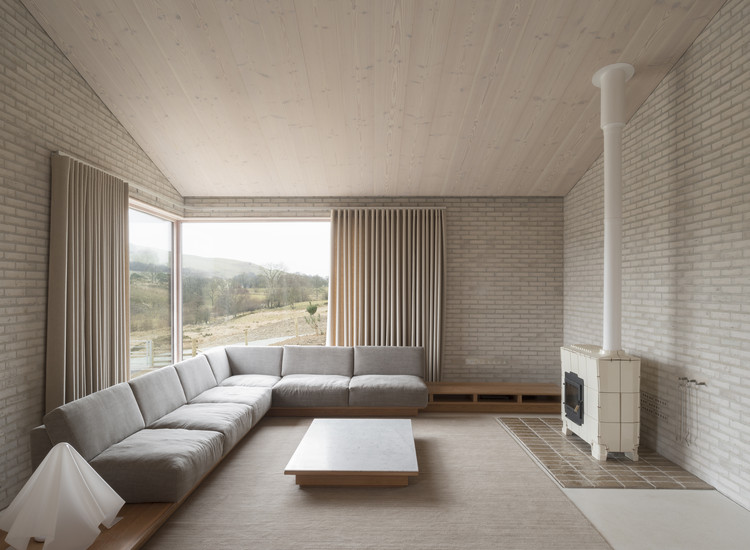
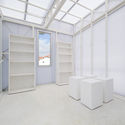
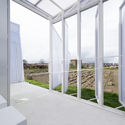
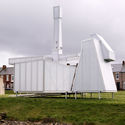
At Home in Britain re-examines how we live and speculates on the future of housing in Britain. Taking the cottage, the terraced house and the flat as a starting point and using RIBA Collections as stimulus, six newly commissioned works from contemporary architecture practices Jamie Fobert Architects, Mae, Maison Edouard François, Mecanoo, Studio Weave and vPPR transform these three familiar housing types to reflect the way we live and work in the 21st century.
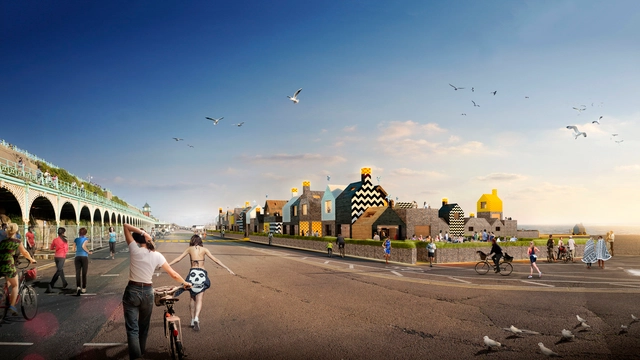
We Like Today has released its bid-winning plan for a mixed-use leisure destination on the Brighton and Hove seafront, endorsed by the City Council. Wanting to reviving this part of the English coast as a destination for recreation and swimming, the proposal includes a 50 meter open air heated pool, lifeguard facilities, changing facilities, cafes and restaurants, yoga and exercise studios, indoor training facilities, therapy rooms, a boardwalk allowing disabled access to the beach, retail spaces, pop-up shops, conference facilities, and offices.
Architectural disAssociation - A reflection on the state of the education of architecture at the AA. Open discussion inviting everyone with an opinion of the school - students, tutors and alumni alike to retrospectively reflect on the state of the AA's unit system and speculate the possible future of its education. This discussion will have no panel as it is an open floor discussion.
Do you want to observe directly how leading professionals use materials, technology, visual communication and storytelling to design memorable user experiences through the immersive built environment?
This course will cover the areas of residential, retail and workspace design and provide methods to apply for interior projects in a variety of contexts. In one week you will participate in a rich mix of lectures and hands on workshops that Future London Academy curated for you by partnering with successful design, consultancy and media practices. The program matches the understanding of space from both the designer's and the user's perspective to equip you with both a technical and strategic angle for your future projects. The experiential approach of this course consists of technical, cultural and social activities that together enable you to tailor your own design practice.

















.jpg?1462898782&format=webp&width=640&height=580)