-
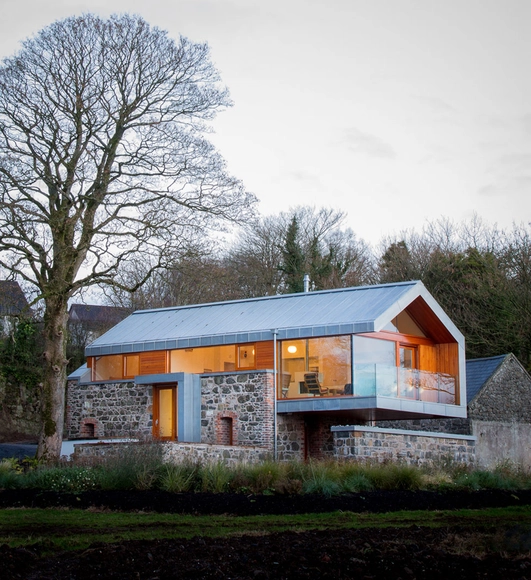
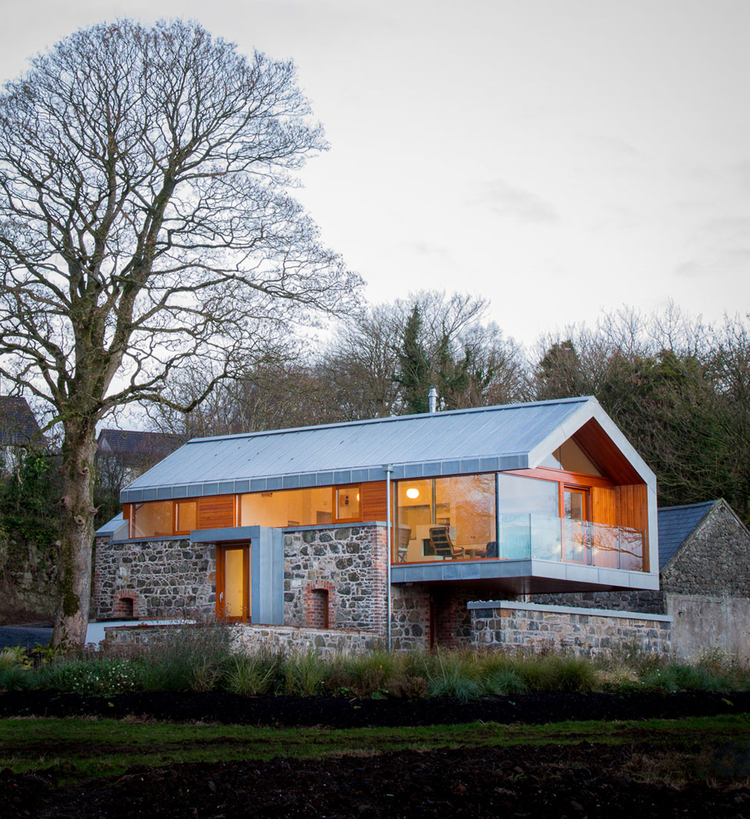
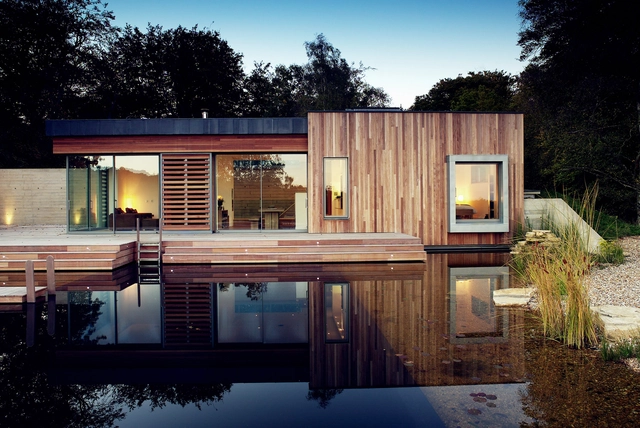
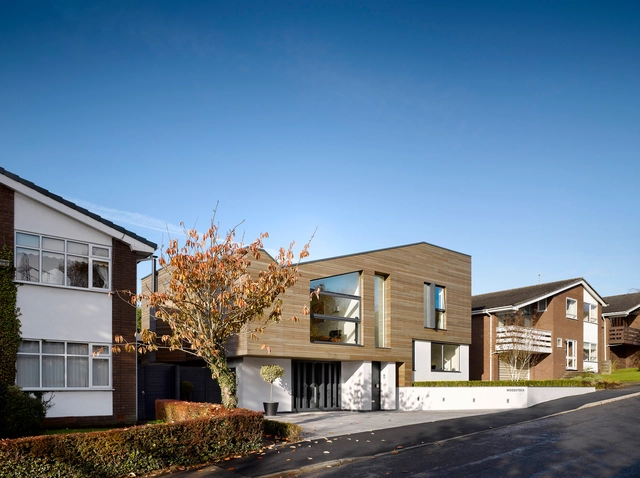
Architects: Landhouse, Mark Merer
- Area: 211 m²
- Year: 2013




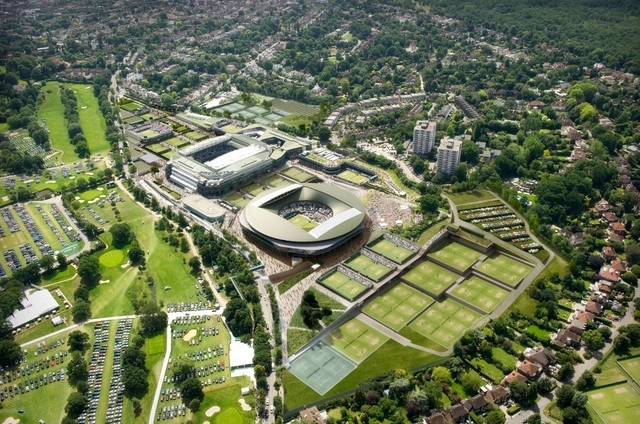
The All England Lawn Tennis Club has just unveiled this design proposal for the Wimbledon Master Plan developed by Grimshaw Architects, with top UK landscape architecture firm, Grant Associates. Marking the first step in a consultation process, the vision reflects and reinforces the long history of The Championships while further enhancing Wimbledon’s position as the premier Grand Slam tennis event. More images and architects' description after the break.
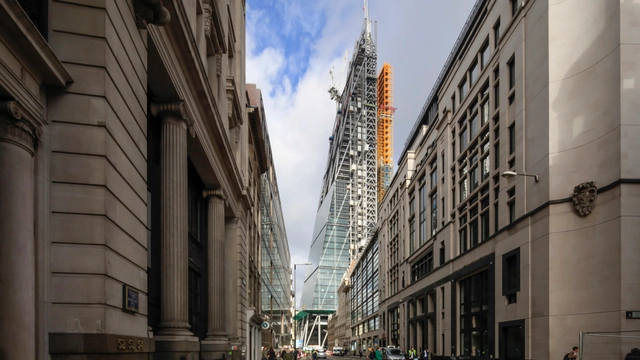
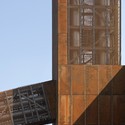
Rogers Stirk Harbour & Partners’ Leadenhall Building became the tallest building in the City of London when it topped out on June 18th. The 50 story tower opposite Lloyd’s of London rises to a height of 224.5 meters 802 feet), its slender form creating its own distinctive profile within an emerging cluster London. The building’s tapering profile is prompted by a requirement to respect views of St Paul’s Cathedral, in particular from Fleet Street. The building comprises a number of distinct architectural elements that provide clarity to the composition both as a whole and as a legible expression of its constituent parts. These elements include the primary stability structure, the ladder frame, the office floor plates, the northern support core, the external envelope and the public realm.
More images and video of The Leadenhall Building after the break...
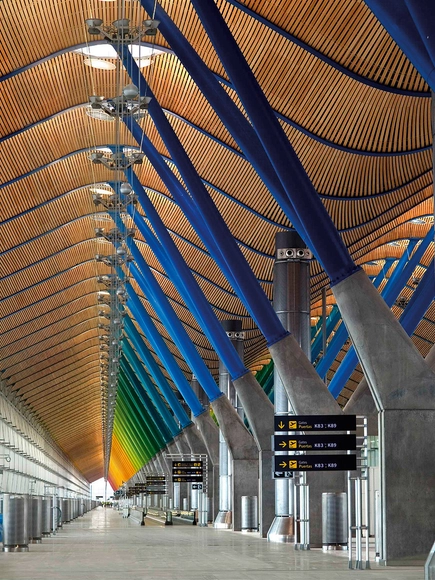
Focusing on key projects and using previously unseen archival material, drawings and personal items, the 'Richard Rogers RA: Inside Out' exhibition will explore Roger's career, from the influence of his Italian family to his impact on how we experience cities today. From July 18-October 13 at the Royal Academy of Arts in London, visitors will gain an unprecedented insight into this leader of modern design. This blend of political, social and ethical concerns, as well as popular culture, technology, art and urbanism is manifest not only in his architecture, but also in his roles as a speaker, writer, politician and activist. For more information, please visit here.
_1457021.jpg?1371218908&format=webp&width=640&height=580)
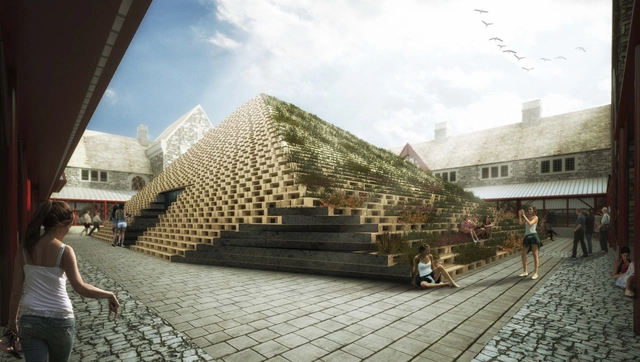
Designed by PM²G Architects, their inspiration for their finalist proposal in the international competition for the Temporal Sustainable Theatre came up from the cultural and physical aspects of the region where Cardiff is based. The history of the country has been marked by the welsh coal mining industry resulting in a bumpy landscape which the architects used as a departure point for developing the idea of using it as the stage where the audience are the users, the actors and also the ones who try to discover what is inside and outside, giving freedom for exploration. More images and architects' description after the break.













_1457005.jpg?1371220370 "© Nigel Rigden")
_1457021.jpg?1371218908)