.jpg?1428541399 "© Beppe Giardino")
.jpg?1428541493 "© Beppe Giardino")

-
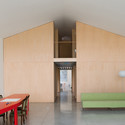
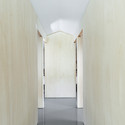
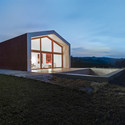
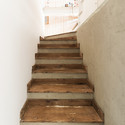
Architects: Raimondo Guidacci
- Area: 30 m²
- Year: 2014
-
Professionals: Gualandris


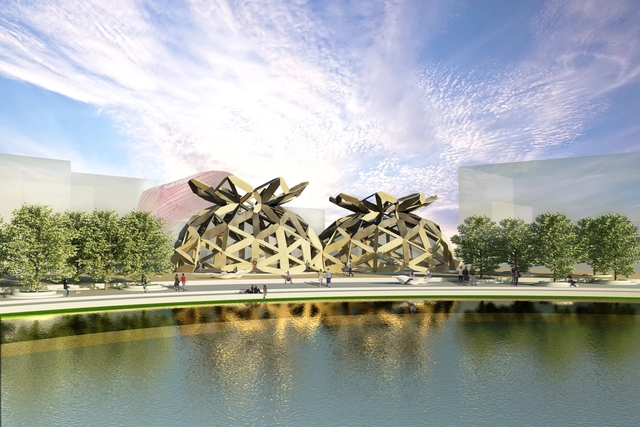
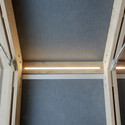
“The splendor of the Italian cities are beautifully represented by their domes,” says Miralles Tagliabue EMBT. Embracing this notion, EMBT has designed a wooden dome for COPAGRI, a confederation of agricultural producers that brings together hundreds of Italian farmers, to showcase their products at the 2015 Milan Expo.
“The design started from the observation of Italian landscapes, both natural and man-shaped,” said EMBT in a press release. “In our project the domes are not only representing the magnificence of the Italian past, but they also show us potential for the future lying in the construction of domes.”
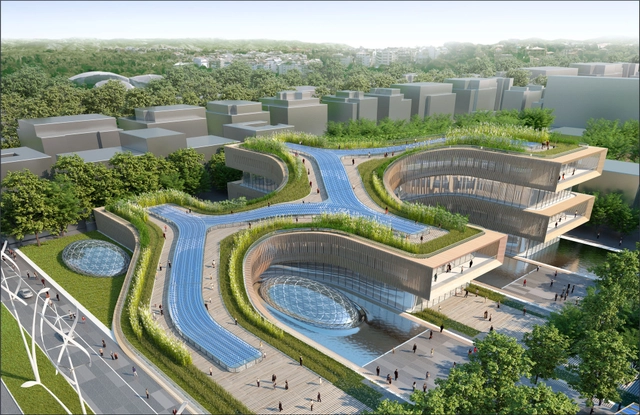
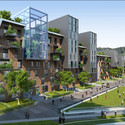
Developed for an international planning and architectural competition, this proposed masterplan for the Città della Scienza by Vincent Callebaut Architectures, coffice - studio di architettura e urbanistica, and Studio d'Architettura Briguglio Morales fuses sustainability with history to propose a self-sufficient urban ecosystem in Italy. Operating on the principle of living facades, the Città della Scienza revitalizes the forgotten military district into a vibrant, continually regenerating living city.
Read on after the break for a closer look at the plan.

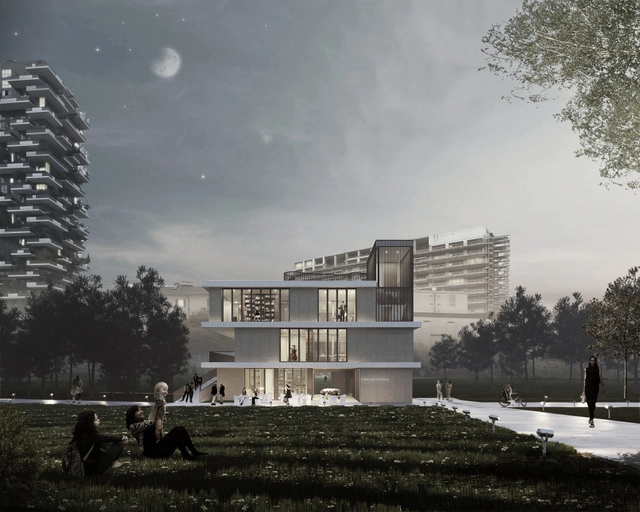
The first-place competition winner from KM 429 architecture, this proposal for the Isola Garibaldi Civic Center draws inspiration from Milan’s historic architectural tradition superimposed within the modern urban context. Through its refusal to be monumentalized, the Civic Center generates a new language within its neighborhood and looks to the city's past to create a vital civic architecture to serve present, and future, needs.

Herzog & de Meuron have unveiled the design for their Slow Food Pavilion, due for completion by the 2015 Milan Expo in May. Showcasing the work of Carlo Petrini's Slow Food organization, the pavilion promotes the global organization's vision of universal access to "good, clean and fair food."
Sited on a triangular piece of land in the Eastern end of the Expo's central boulevard, the pavilion uses a a triangular configuration of tables to evoke what Herzog & de Meuron describe as "an atmosphere of refectory and market."