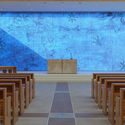
Applications open until May 29th to take part in the first workshop promoted by the Tresoldi Academy in collaboration with YAC, G124 of Renzo Piano and the Unipol Group.
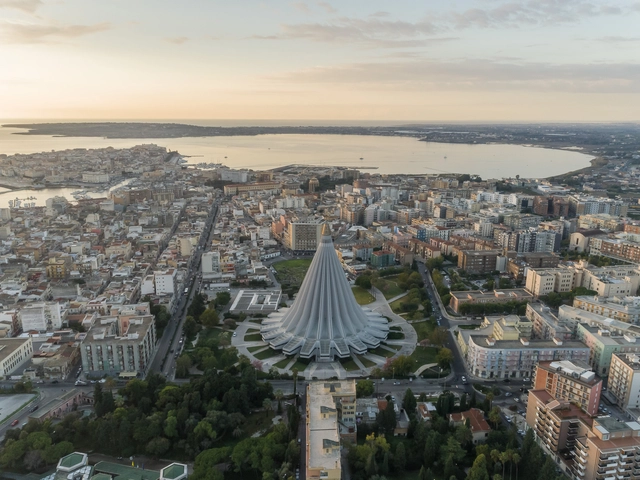
The largest pilgrimage church in Sicily, The Sanctuary Basilica of Our Lady of Tears in Syracuse was built to commemorate the 1953 miraculous tearing of a plaster effigy representing the Virgin Mary. The ever-growing number of religious devotees prompted the construction of a dedicated church of an appropriate scale. In 1957, an architecture competition was organized for the design of the new church, where 100 architects from 17 countries participated. The winners were Michel Andrault and Piere Parat, and their sculptural design became not only a landmark for the region but a trailblazer for religious architecture at the time.
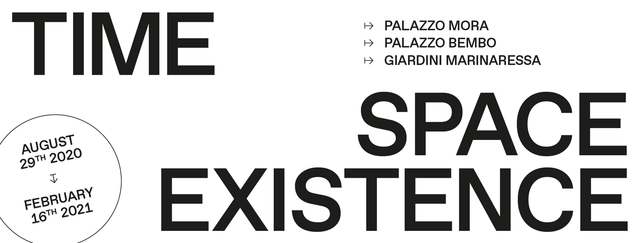
The European Cultural Centre presents the fifth edition of the extensive biennial architecture exhibition TIME SPACE EXISTENCE.
The exhibition will open in parallel with Biennale Architettura on August 29th, 2020 and it will run for six months until February 16th, 2021 at Palazzo Bembo, Palazzo Mora and Giardini della Marinaressa, with press previews and opening parties in each location on August 27th and 28th.
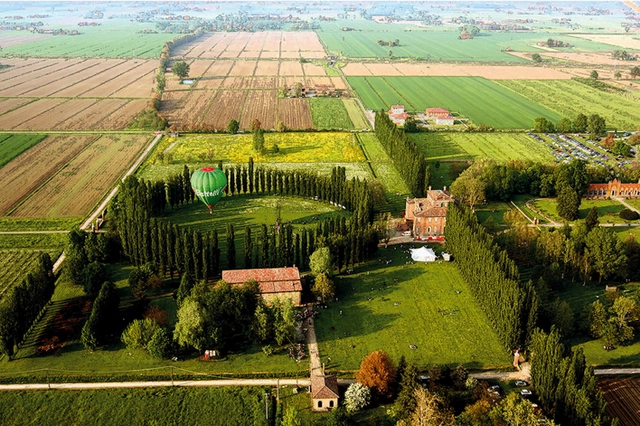
CODE - COmpetitions for DEsigners - and the Municipality of Castelfranco Emilia launch FOOD ACADEMY LOGO, a call for ideas to design the logo for a high-level hub for food culture in the enchanting Villa Sorra. The winners will be selected by a jury made of renowned professionals with the likes of Ale Giorgini, Armando Milani, Alberto Moreu, Tanino Liberatore, Giovanni Avosani. A total cash prize of € 2,000 will be awarded to the winning projects.
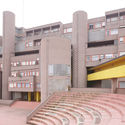
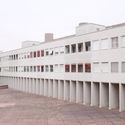
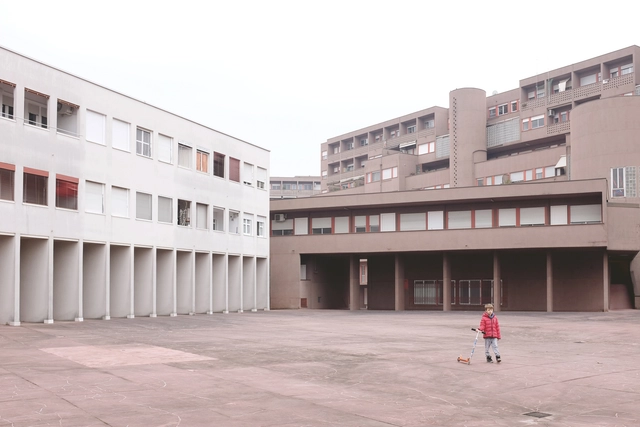
As the dust settled following the Second World War much of Europe was left with a crippling shortage of housing. In Milan, a series of plans were drafted in response to the crisis, laying out satellite communities for the northern Italian city which would each house between 50,000 to 130,000 people. Construction the first of these communities began in 1946, one year after the end of the conflict; ten years later in 1956, the adoption of Il Piano Regolatore Generale—a new master plan—set the stage for the development of the second, known as 'Gallaratese'. The site of the new community was split into parts 1 and 2, the latter of which was owned by the Monte Amiata Società Mineraria per Azioni. When the plan allowed for private development of Gallaratese 2 in late 1967, the commission for the project was given to Studio Ayde and, in particular, its partner Carlo Aymonino. Two months later Aymonino would invite Aldo Rossi to design a building for the complex and the two Italians set about realizing their respective visions for the ideal microcosmic community.[1]




.jpg?1585774034&format=webp&width=640&height=580)















.jpg?1585774747 "© Simone Bossi")
.jpg?1585774180 "© Simone Bossi")
.jpg?1585775148 "© Simone Bossi")
.jpg?1585774575 "© Simone Bossi")
.jpg?1585774034)