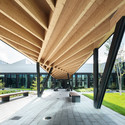
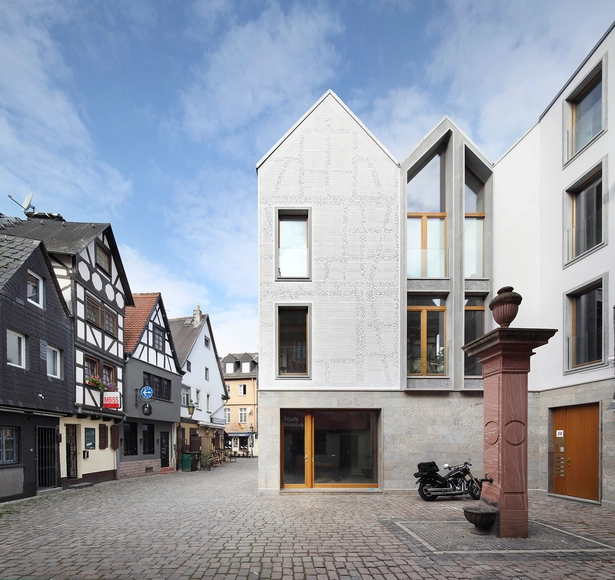
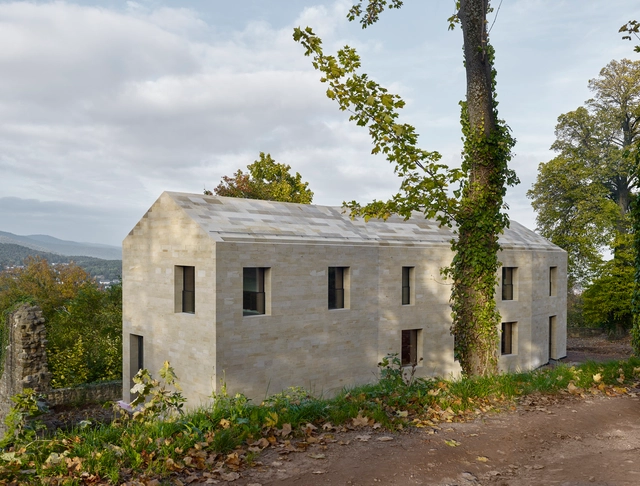
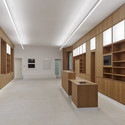
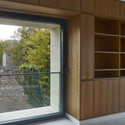
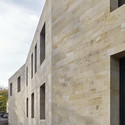
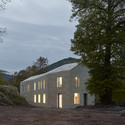
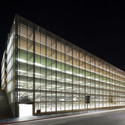
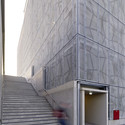
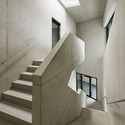
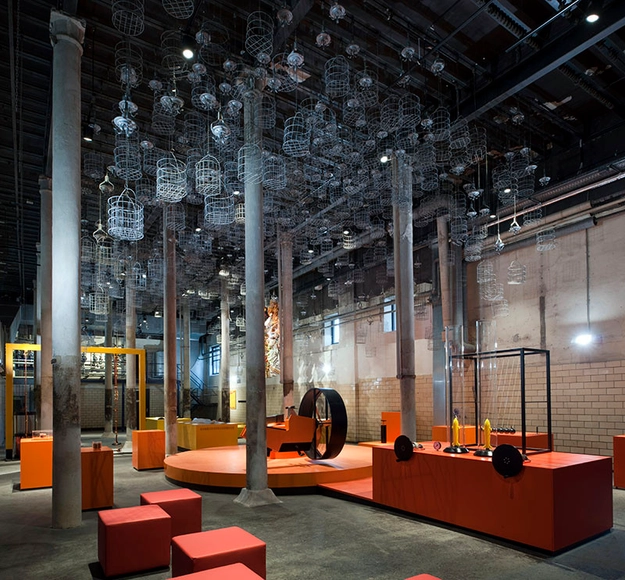
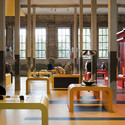
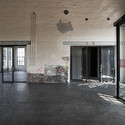
Starting January 29th, Munich's Haus der Kunst will host "Form, Heft, Material," a major retrospective of the work of British architect David Adjaye. Co-curated by Okwui Enwezor and Zoe Ryan, the exhibition's broad catalogue reflects Adjaye's diverse career and portfolio, including architectural projects alongside material experiments, research, and furniture design. Through sketches, models, prints, drawings, 1:1 building fragments, film, and text, "Form, Heft, Material" foregrounds Adjaye's work against the rich geographical and social context that frames his design approach.
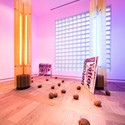
When fears regarding environmental pollution and potential catastrophe were at a high in the 1970s, Haus-Rucker-Co set out to develop a “new concept of architecture.” Based in Vienna, the group was known for their interactive exhibitions and their development of utopian architectural ideas, which showed how people could affect their own environment. Now, their work between 1967 and 1977 is the theme of “Architectural Utopia Reloaded,” the latest exhibition on display at the Haus am Waldsee in Berlin.
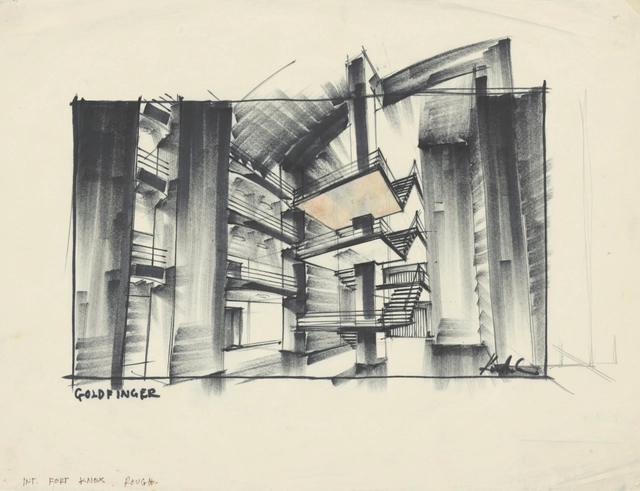
Although his name may not appear in most architectural history books, Sir Kenneth Hugo Adam has influenced architecture for over fifty years. Better known as Ken Adam, he has been responsible for the production design of over 70 films in his career, most notably for his work on the James Bond franchise. The architect of Fort Knox in Goldfinger, the Zero Gravity Satellite in Moonraker, and Super-Tanker Liparus in The Spy Who Loved Me, Adam has shaped architectural design in film since the 1940s.
Adam is the recipient of two British Film Academy Awards, including one for Dr. Strangelove, and in 2003 became the first film production designer to receive a knighthood. He has been at the helm of some of the world's most well-known and influential films – from Chitty Chitty Bang Bang to Crimes of the Heart – and his drawings are now on display for the first time. In 2012, Sir Adam donated his entire body of work to the Deutsche Kinemathek in his home city of Berlin, where the first retrospective of his work is now on display, entitled 'Bigger Than Life: Ken Adam's Film Design.'
Find out more about Adam's vast body of work after the break
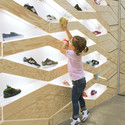
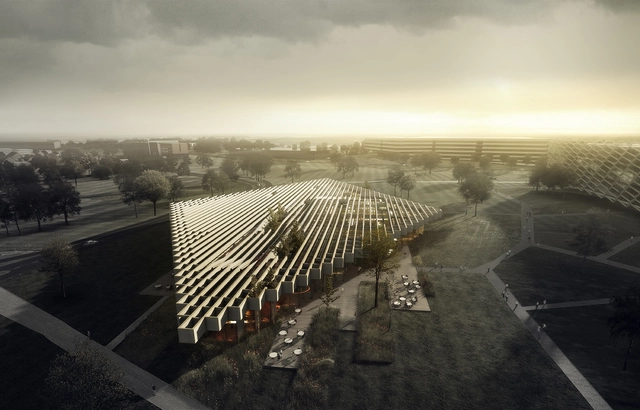
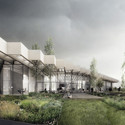
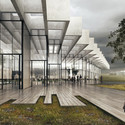
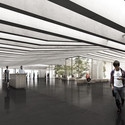
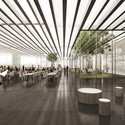
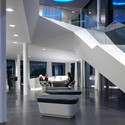
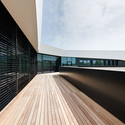
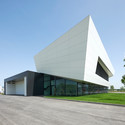
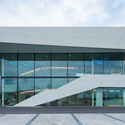
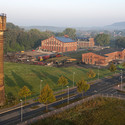
Danish architects COBE have won an international competition to design the Adidas Group’s “Meet & Eat” flagship building at their “World of Sports” headquarters in Herzogenaurach. The 11,000-square-meter “rhombus-shaped” structure is envisioned as a “distinctive landmark” that will provide the campus with a “flexible and user-friendly” public conference center, employee restaurant and showroom.
“The adidas brand has always been known for technique and functionality, and we have designed a building that reflects and encapsulates these values,” says Dan Stubbergaard, Founder and Creative Director at COBE. “Adidas Meet & Eat will house many functions, both internal and public, and therefore we have created a design that above all is multifunctional and flexible. A design that allows for the building to change and adjust to the different social contexts that the building will house.”
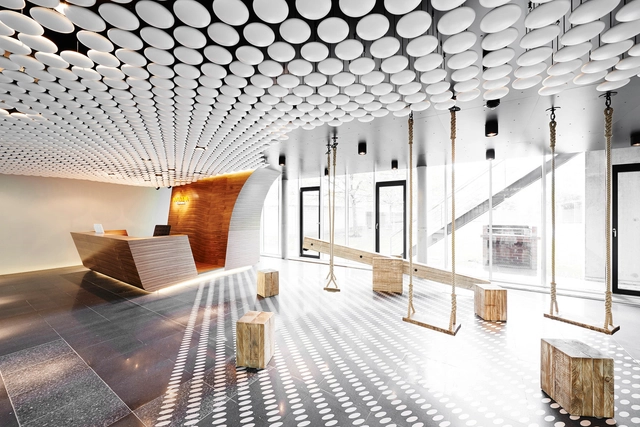
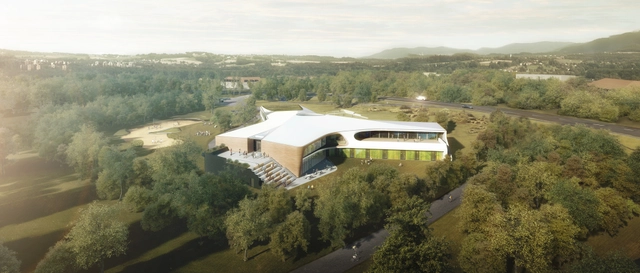
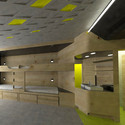
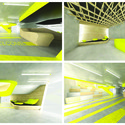
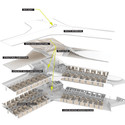
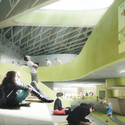
Berlin-based Laboratory for Visionary Architecture (LAVA) has designed a 180-room hostel for the Bavarian Youth Hostel Association in Bayreuth, Germany. Designed for the sociable Generation Y traveler, the hostel offers an abundance of flexible public spaces featuring bright colours and soaring windows overlooking the Bavarian landscape. Touted by the firm as a "yardstick for the sports hostel of the future," the futuristic building includes modular furniture and universal step-free access throughout all facilities, grounds, and sports fields. Circulation for the design centres on a Y-shaped plan designed to maximize natural light light while providing ample opportunities for athletic engagement.
Find out more about Bayreuth's futuristic Youth Hostel after the break





_Haus-Rucker-Co__Gerald_Zugmann.jpg?1419952561&format=webp&width=640&height=580)