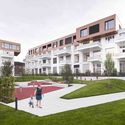

-
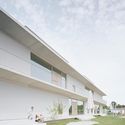
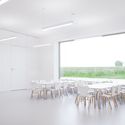
Architects: Kresings Architektur
- Area: 14200 m²
- Year: 2017


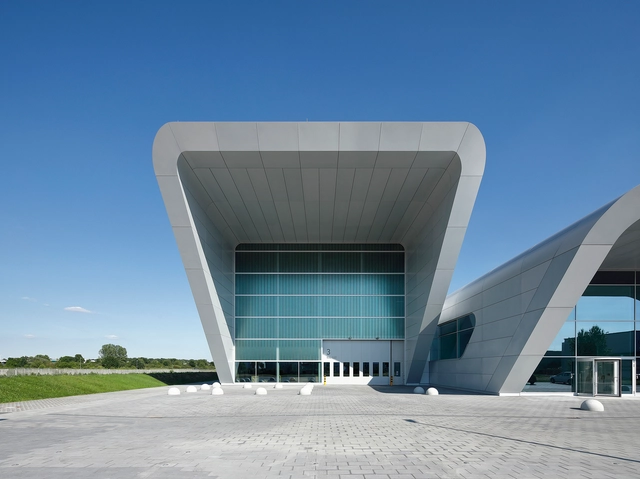


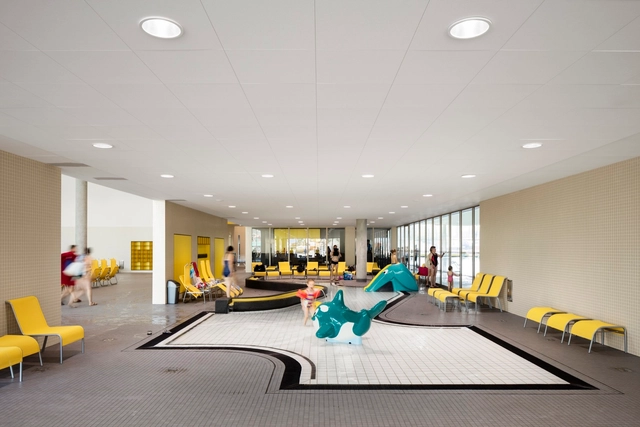
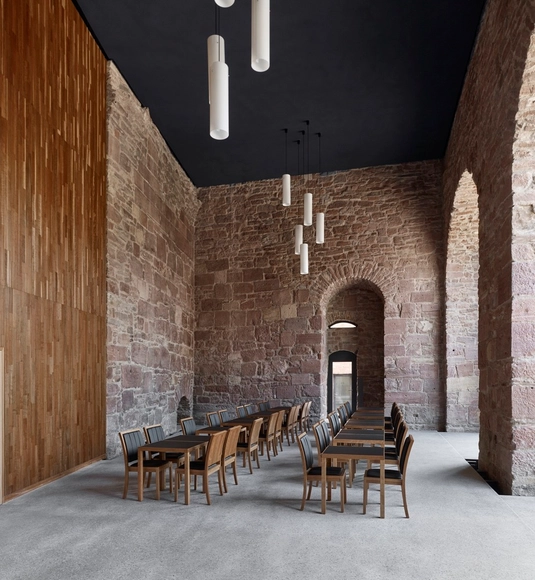
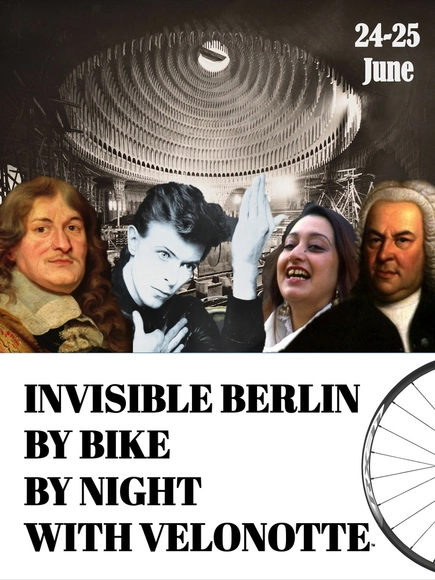
Concurrent with the "Berlin Projects. Architectural Drawings 1920-1990" exhibition at the Museum for Architectural Drawing, a special event will take place on June 24th -25th by bike reviving Berlin's missing highlights. After registering, you can visit the exhibition free of charge and embark on a joyrney throught the night looking and exploring the invisible Berlin.

With Thom Mayne and Wolf D. Prix, on the occasion of the exhibition Houston: Genetic City. Envisioning a Future Post-Industry, Post-Oil, Post-Sprawl at Aedes Architecture Forum.
The panel discussion takes a close look at the specific urban condition, typology and development of the City of Houston. Together with Pritzker Prize-winning architect Thom Mayne of Morphosis and Wolf D. Prix of Coop Himmelb(l)au – both visionaries and provocateurs in the field of architecture and urbanism – the panel critically discusses Houston’s unique evolving urban form. In addition to the soon to be third most populous and most sprawling city in the US, Houston also completely lacks zoning regulations and thereby allows for unusual development patterns that can react quickly to changing market conditions. This opens up immense opportunities beyond conventional city planning for the urban revival of Houston, as much as it puts the city at the stake of commercial developers. The panel aims to explore questions raised by the specific regional urban condition of Houston also against the backdrop of a wider global narrative in contemporary urban planning and renewal.
In 1919, at a time in which Germany was still in upheaval over its defeat in the First World War (and compounded by the loss of its monarchy), the Academy of Fine Arts and School of Applied Arts in Weimar, Germany, were combined to form the first Bauhaus. Its stated goal was to erase the separation that had developed between artists and craftsmen, combining the talents of both occupations in order to achieve a unified architectonic feeling which they believed had been lost in the divide. Students of the Bauhaus were to abandon the framework of design standards that had been developed by traditional European schools and experiment with natural materials, abstract forms, and their own intuitions. Although the school’s output was initially Expressionist in nature, by 1922 it had evolved into something more in line with the rising International Style.[1]

Monocle’s Quality of Life Conference takes place this summer in Berlin, and will be a must-visit event for entrepreneurs, architects, urbanists and designers alike. Hosted by Monocle editor in chief Tyler Brûlé, topics unpacked across the conference include transport, city branding and the future of the property industry. From visionary entrepreneurs to acclaimed architects, guest delegates and panelists will join Monocle editors and radio hosts for a range of lively discussions, with talks interspersed with samplings of Berlin’s fine hospitality and opportunities to explore the city’s architectural sites.
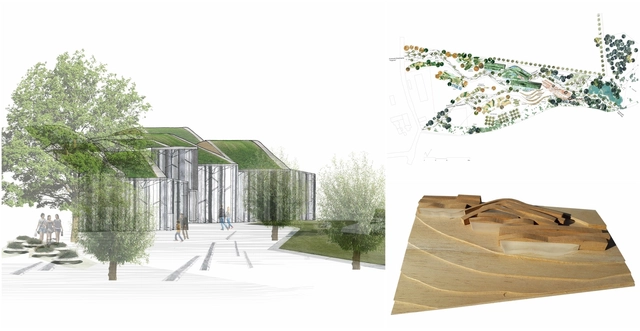
Miralles Tagliabue EMBT has been announced as the winner of a competition for the design of Artenoah, a biodiversity center in Rehau, Germany that will chronicle and serve that species-rich green belt along the border of Germany and the Czech Republic. Built into the forested highlands of the Neuhausen district, the masterplan consists of a series of thematic outdoors spaces and a central pavilion with an undulating form that allows it to blend into the surrounding landscape.