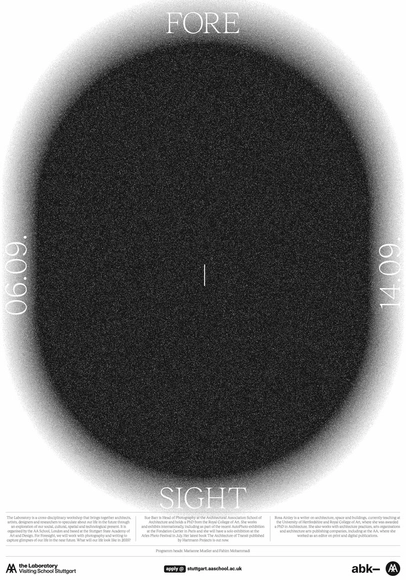
Never before have there been such fundamental uncertainties about our future. Obvious signs of climate change, a political landscape in flux, rapid advances in technology and their consequential societal changes are making us anxious about our personal life in the next decades.
Marking the centenary of the Bauhaus’s founding, the Bauhaus-Archiv / Museum für Gestaltung’s exhibition at the Berlinische Galerie is presenting famous, familiar and forgotten Bauhaus originals and recounting the history behind the objects: Who is the woman sitting on the tubular-steel chair? Does the Haus am Horn have a secret twin? Why have the tea infusers which were created as prototypes for industrial production always remained one-of-a-kind pieces? The exhibition sheds light on how unique work and series, remake and original are inseparably linked in the history of the Bauhaus. Around 1,000 Bauhaus originals from the Bauhaus-Archiv’s collection will be on display, as well as exceptional loans from international collections and contemporary artistic positions.
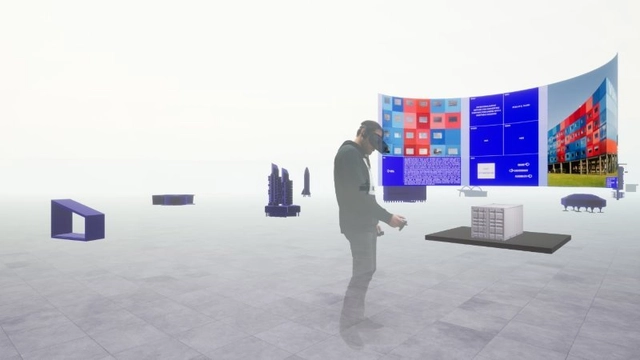
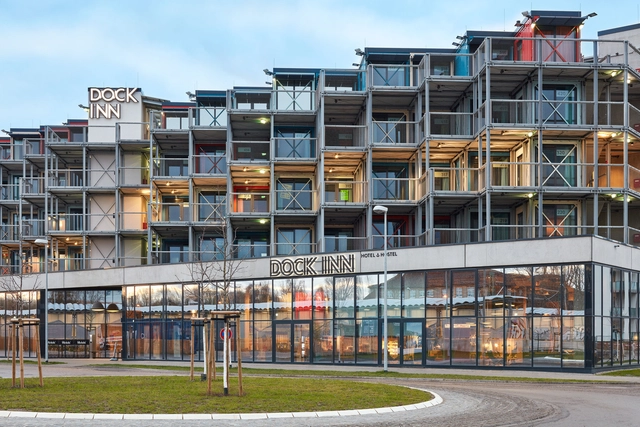
The project presents a collection of buildings and building systems significant in the historical evolution of modular and prefabricated architecture. The contents are shown in a virtual reality environment, through VR headset kits, which transport the audience to a 20x20m virtual space filled with panels and architectural models.
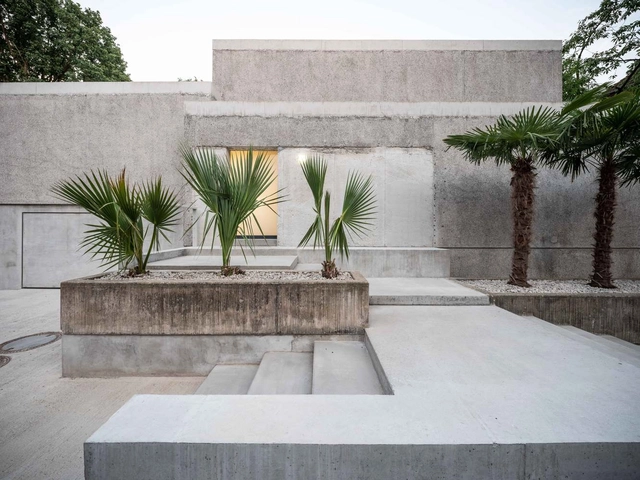
Public space is under pressure – commercialized for economic interests, abused as a playground for event culture, and maneuvered into insignificance through private acts of self-staging. Is its original function as a forum for public life coming to an end? At the same time, there are ever more standards, regulations, and requirements designed to guarantee safety and functionality. Does this reduce the creative possibilities for new architecture to react to the specifics of the location? If so, how are buildings being affected by these processes?







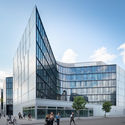
MichaelMoser.jpg?1550016419&format=webp&width=640&height=580)


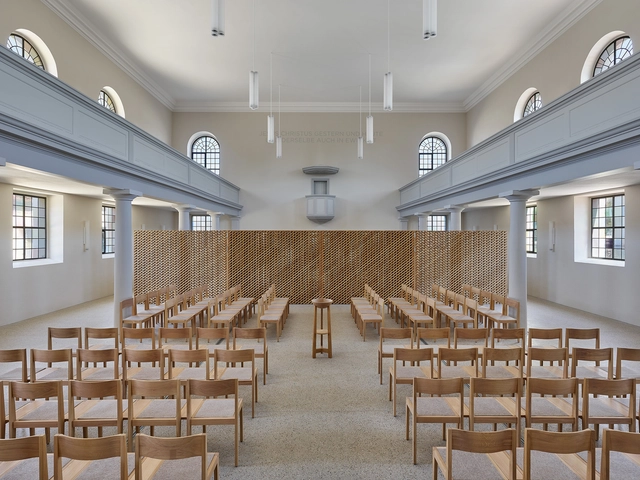
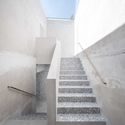




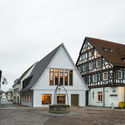
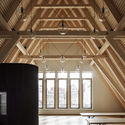
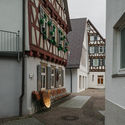

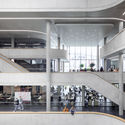
MichaelMoser.jpg?1550016408 "© Michael Moser")
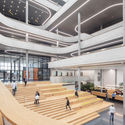
Matthias_Bein.jpg?1550016435 "© Matthias Bein")
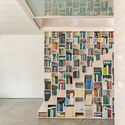
MichaelMoser.jpg?1550016543 "© Michael Moser")
MichaelMoser.jpg?1550016517 "© Michael Moser")
MichaelMoser.jpg?1550016419)