Featuring Tura Cousins Wilson of SOCA, Jessica Kirk of the Wildseed Centre for Art and Activism and Jessica Hines of Black Urbanism Toronto, this conversation about what it means to take accountability within the practice of design and focus on Black community engagement is the first in a series centred around Blackness in architecture, landscape, and design within academia. As noted in the University Commitment in the Scarborough Charter, the work of Black flourishing and thriving should “be informed, shaped and co-created by communities” in order to be effective. Other discussions in this series will include Black Flourishing through Design (February 15), a workshop for designers and educators called Blackness in Architectural Pedagogy and Practice (March 1) and a student-led online event that centres Black belonging through design.
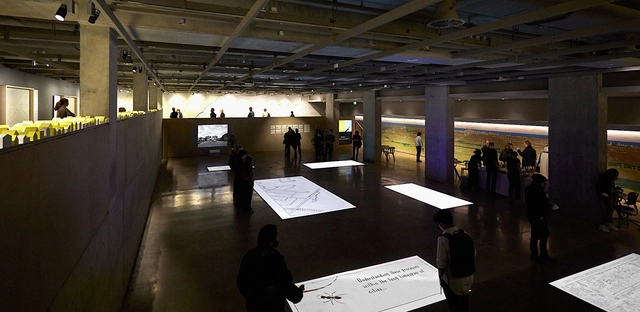
This daytime roundtable uniting urban scholars, designers, planners, community developers and policy specialists will explore how to take some of the ideas of the Housing Multitudes exhibition forward. Discussion will be especially focused on what is being forgotten or ignored in the proposed “solutions” to housing shortages and affordability that Ontario’s Bill 23, and Toronto’s Housing Action Plan, seek to address.
With questions such as Where do roads come from?, popular educators in the US Black Freedom Movement like Septima Clark have long used discussions about architecture and the built environment to unpack ideas of citizenship, politics and power. People’s observations and analyses of built form offer insights into the surroundings we share and opportunities for collective action to change it. In this lecture, Jae Shin and Damon Rich of HECTOR urban design will share stories from their attempts to learn from this tradition of popular education as a resource for architecture, urban design and planning.