In the midst of a pandemic that has already affected 184 countries and infected more than a million people around the world, we seek to cover all topics that relate the coronavirus within architecture and space, and ways to make social distancing less painful.
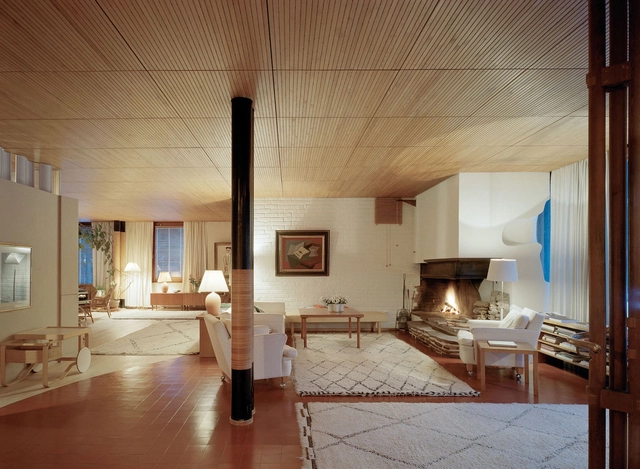
The 20th century in the design world was a period of new ideology on building form, material explorations, and ultimately, the emergence of the modern architecture movement as we define it in the present day. The expression and experimentation of architects in this era resulted in interior spaces that are now considered to be “classics”, due to their relevance and their long lasting effects that they have on the architectural discourse.
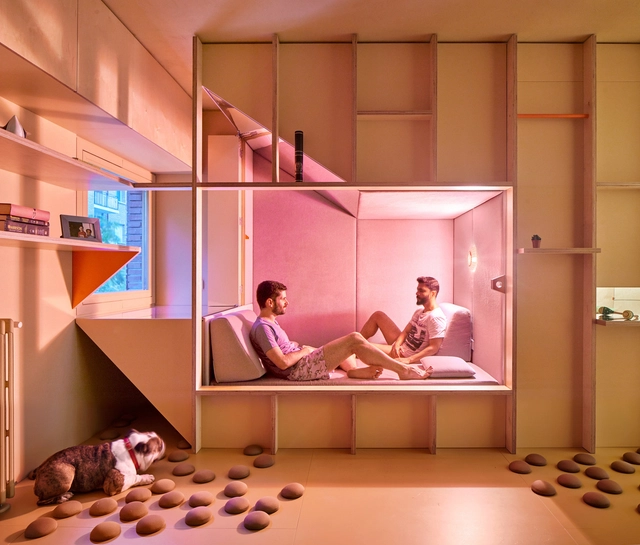
As walls and slabs, furniture may delimit and define a space. However, opposite to constructive elements, which distinguish the rooms in a more permanent way, furniture may create useful boundaries between one space and another in an easily adaptable way.
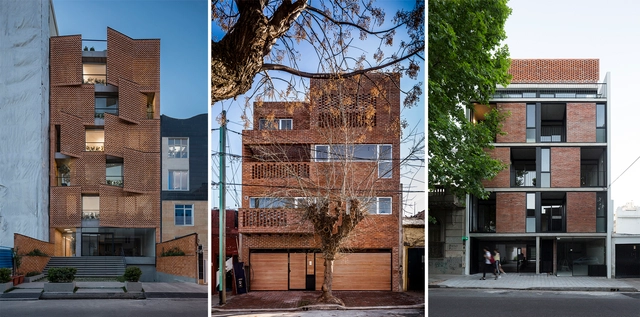
Rotation, displacement, and interleaving of blocks are some of the options that enable the diversity of raw brick patterns in architecture. The shape of these elements, usually used for the construction of walls, has been explored in a creative way to compose facades of residential buildings, representing the formal identity of the building itself and its relationship with its context.
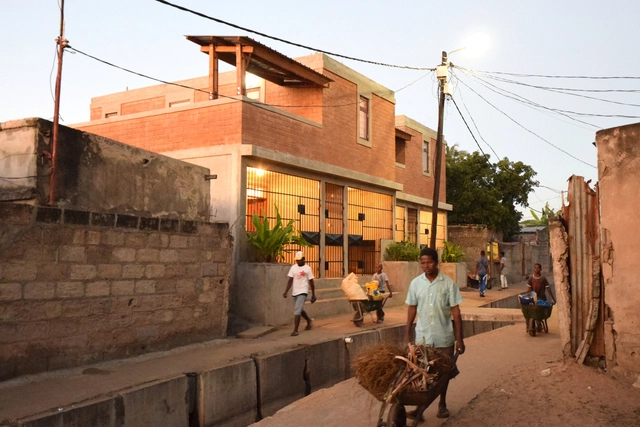
After centuries of Portuguese colonization and recent conquest of independence, Mozambique has undergone a difficult period with new challenges, such as the combat against poverty, the infrastructure deficit, and uncontrolled urban expansion. On the architecture field, it is possible to notice the impact of these challenges on the evolution of the Mozambican projects. Some examples are: the prediction of the need to expand the building in the future, the adoption of climate control passive measures and the utilization of vernacular constructive techniques adapted to the local context (as a way to minimize energy consumption in the different phases of building construction and its respective costs).
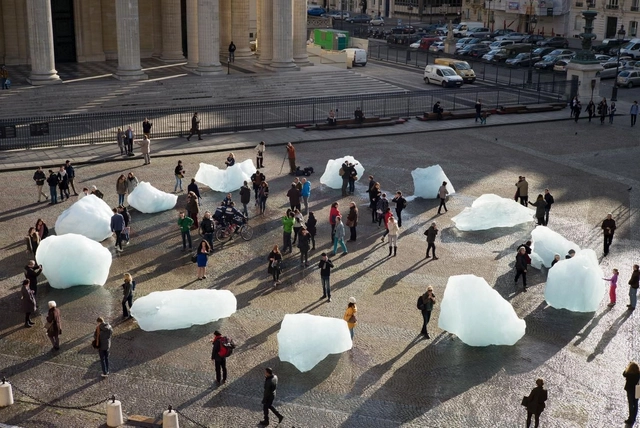
Studying the data that indicates a climate crisis that has been affecting the whole planet for the last decades, the reactionary attitudes may sound disappointing. However, at the same time that the news indicates a global average temperature rise, the political focus on the climate crisis is also intensified, according to the UN Environment report released in 2019, which is a reflection not only of the occurrence of manifestations and protests around the world but also of the so-called activist art expression.
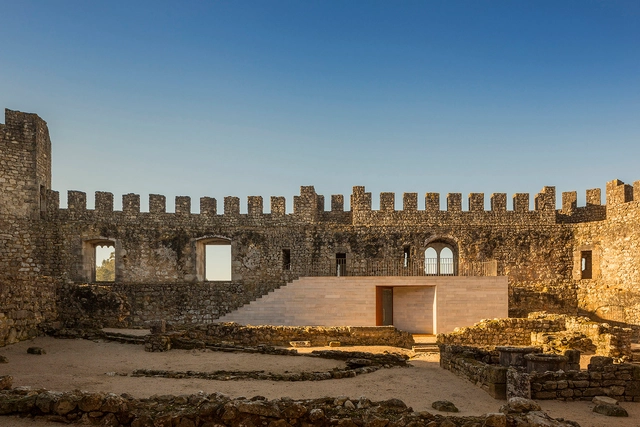
The passage of time will alter, erode, and in most cases, degrade any architectural structure. Whether this be the result of climate, adaptation, misuse, or even war, all buildings are subject to the same life cycles of steady, or extreme, decline. In recent decades, “adaptive reuse” has gained significant traction as a means of breathing new life into an old structure, offering an often complex challenge for designers, architects, and indeed everyday users, who walk a fine line between a respectful restoration of history, and significant adaption for modern needs.
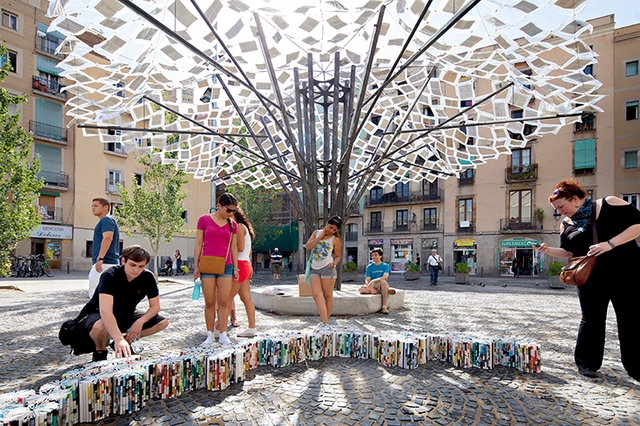
Wherever there is a center, there is by necessity a periphery. This in itself should not generate any headlines; we live in a world of centers, and peripheries that continually stretch those centers, whether it be politics, countries, or societal norms. It also applies to architectural practice. In a complex, interconnected world, members of the architectural profession around the world are constantly expanding into new peripheries, generating new visions for how practice should operate, influenced by technological, political, cultural, and environmental changes.