

The Holcim Foundation for Sustainable Construction announced the winners of the 2023 edition, celebrating projects that showcase innovative approaches to sustainable construction practices. For the Europe region, the Gold Prize was awarded to Husos, Elli, and Ultrazul for their project “Composition of Knowledge House.” In a video interview with the winners, they explain the details of this rehabilitation project. Developed for the Carasso Foundation headquarters, the project uses an innovative “360° co-design process” to promote inclusivity and community involvement.
Nour Fakharany
Architect, urbanist, and Content Editor at ArchDaily, covering news and developments in architecture and the built environment. Editorial work focuses on the Gulf region and the Middle East, exploring contemporary regional architectural languages and their relationship to local contexts.
BROWSE ALL FROM THIS AUTHOR HERE
↓
A Catalyst for Social Change and Equity: In Conversation with Holcim Award Winners Husos, Elli, and Ultrazul


https://www.archdaily.com/1018608/refurbished-readapted-reprogrammed-in-conversation-with-holcim-awards-2023-european-winnersNour Fakharany
The Intersection of Sustainability and Affordability: In Conversation with Holcim Award Winner Jonathan Diamond, from Well-Grounded Real Estate
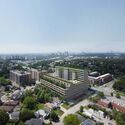
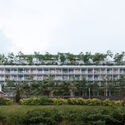
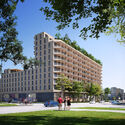
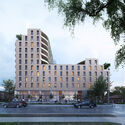
Celebrating groundbreaking projects that showcase sustainable construction practices, this year’s winners of the Holcim Foundation for Sustainable Construction 2023 highlight innovative approaches across various scales, forms, geographies, and forms. The Gold Prize for North America was awarded to Partisans Architects and Well-Grounded Real Estate with their high-tech, low-cost modular housing solution for urban living in Toronto. In a video interview for ArchDaily, Jonathan Diamond from Well-Grounded Real Estate discusses the development of the winning project and the forces that shaped it.

https://www.archdaily.com/1018521/the-intersection-of-sustainability-and-affordability-in-conversation-with-holcim-award-winner-jonathan-diamondNour Fakharany
Ostrava Concert Hall by Steven Holl Architects Breaks Ground in Czech Republic
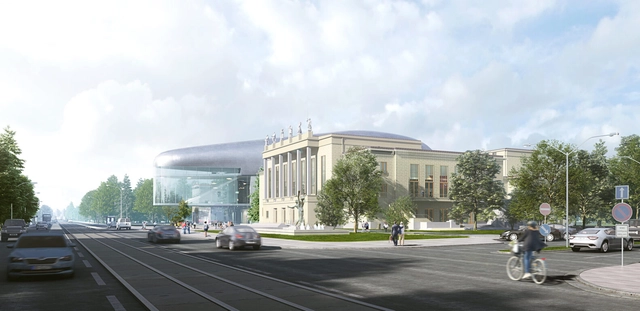
The Ostrava Concert Hall, designed by Steven Holl Architects, has just broken ground in the Czech Republic. Commemorating the start of construction, the concert hall “promises to be an inspiring venue for both locals and internationals who cherish Ostrava’s rich music heritage.” Designed for the Janacek Philharmonic Orchestra, it creates a dramatic contrast between old and new, aiming to create a cultural landmark.


https://www.archdaily.com/1018421/ostrava-concert-hall-by-steven-holl-architects-breaks-ground-in-czech-republicNour Fakharany
Architecture for Sustainable Development Goals: UIA 2030 Award Announces Finalists of its Second Cycle

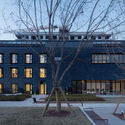
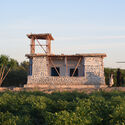
The UIA, in collaboration with UN-Habitat, has revealed the finalists for the first stage of the second edition of the UIA 2030 Award. Celebrating architecture that contributes to the 2030 Agenda for Sustainable Development and the New Urban Agenda, this biennial award honors built projects that demonstrate design quality and alignment with the UN Sustainable Development Goals (SDGs).
The regional finalists will now proceed to Stage 2, where they will submit a three-minute video demonstrating their projects in action and explaining in detail how they align with the relevant SDGs and meet the eligibility criteria. During stage 1, the finalists were evaluated regionally, representing the five UIA regions: Western Europe, Central and Eastern Europe and the Middle East, the Americas, Asia and Oceania, and Africa. Winners in each of the six will be awarded a medal. The awards ceremony will be taking place in Cairo, Egypt, at the twelfth session of the World Urban Forum from November 4-8, 2024.



https://www.archdaily.com/1018400/architecture-for-sustainable-development-goals-uia-2030-award-announces-finalistsNour Fakharany
Chris Williamson Elected as 2025 RIBA President
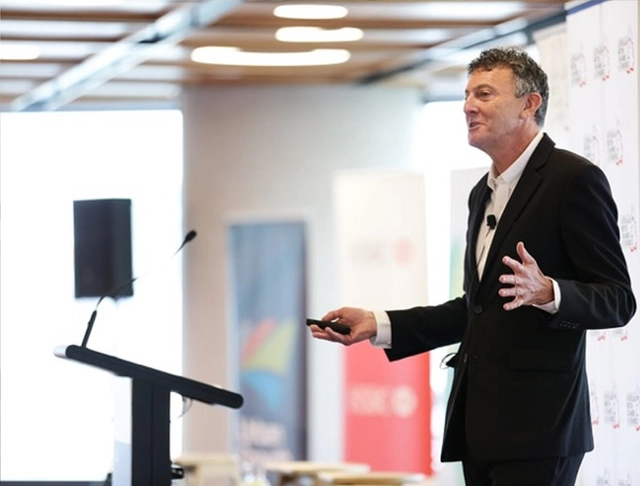
The Royal Institute of British Architects (RIBA) has just announced that Chris Williamson has been elected as the next RIBA President. One of the highest positions in UK Architecture, RIBA is a professional body for architects established to promote excellence and provide support and resources to architects and architecture students. As RIBA’s 2025 President, Chris Williamson will take up office as President-Elect from September 2024, followed by a two-year presidential term taking over from Muyiwa Oki beginning September 2025.
https://www.archdaily.com/1018352/chris-williamson-elected-as-2025-riba-president-in-the-ukNour Fakharany
Harvard Graduate School of Design Awards Thandi Loewenson Wheelwright Prize 2024
Harvard University Graduate School of Design (GSD) has just announced Thandi Loewenson as the winner of the 2024 Wheelwright Prize. The prestigious $100,000 grant is dedicated to supporting innovative research in contemporary architecture with a global perspective. Loewenson’s project, “Black Papers: Beyond the Politics of Land, Towards African Policies of Earth & Air,” explores the social and spatial dynamics in modern Africa.
https://www.archdaily.com/1018348/harvard-graduate-school-of-design-awards-thandi-loewenson-wheelwright-prize-2024Nour Fakharany
A Skyscraper in China and Headquarters in France: 8 Unbuilt Offices Submitted by the ArchDaily Community
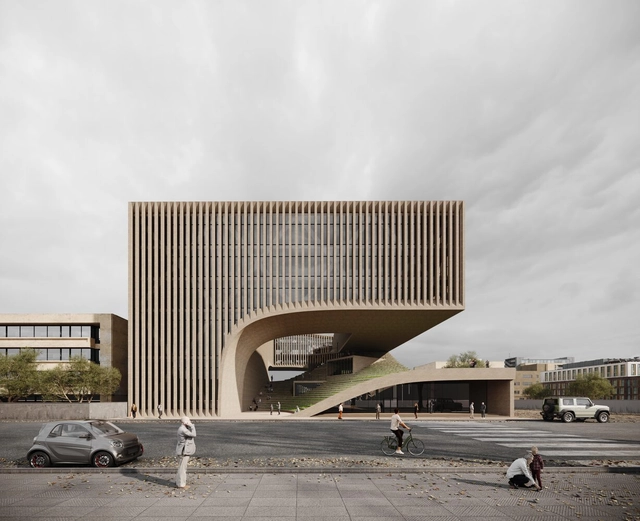
In the evolving landscape of workplace design and office architecture, the boundaries of creativity and functionality are constantly being pushed. From futuristic skyscrapers to co-working spaces, the future of work environments respond to the dynamic needs of modern businesses and their employees. This week's curated selection of Unbuilt Architecture focuses on office, workplace, and administrative buildings submitted by the ArchDaily Community.
The realm of office architecture is a chance for designers to innovate and influence work cultures. From the Sinuating Flow High-Rise in Chongqing, China, drawing inspiration from the surrounding mountains and valleys to the Parisian GRDF Headquarters reimagining urban offices as small city districts. The ABS Workspace integrates maritime elements into its workplace design, while the FUTURA tower in Kyiv breaks conventional norms with artistic and sculptural forms and the use of black. Together, these projects showcase the diversity in office architecture, each working within a context to offer unique solutions to sustainable work environments.



https://www.archdaily.com/1018347/a-skyscraper-in-china-and-a-headquarters-in-france-8-unbuilt-offices-submitted-by-the-archdaily-communityNour Fakharany
Tokyo International Forum, Designed by Rafael Viñoly Architects, Receives the Twenty-Five Year AIA Award
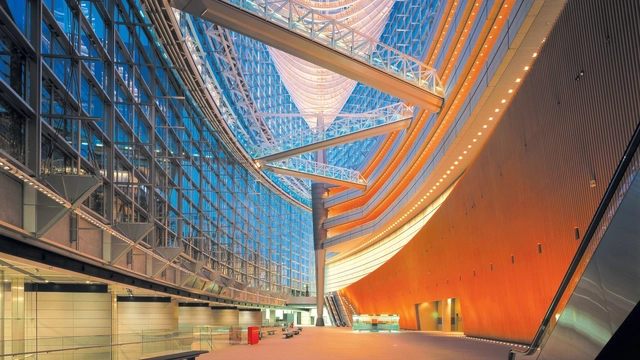
Rafael Viñoly Architects’ Tokyo International Forum has been honored with the prestigious AIA Twenty-five Year Award. Celebrating its “distinctive transparent character and capacity to engage with the public in the largest metropolitan area in the world.” Rafael Viñoly Architects was first selected to design the structure through Japan’s first international design competition facilitated by Kenzo Tange, the architect of Tokyo’s City Hall and the first Japanese laureate of the Pritzker Prize.
https://www.archdaily.com/1018283/tokyo-international-forum-designed-by-rafael-vinoly-architects-receives-the-twenty-five-year-aia-awardNour Fakharany
3XN Wins Competition to Design Chungnam Art Center in South Korea
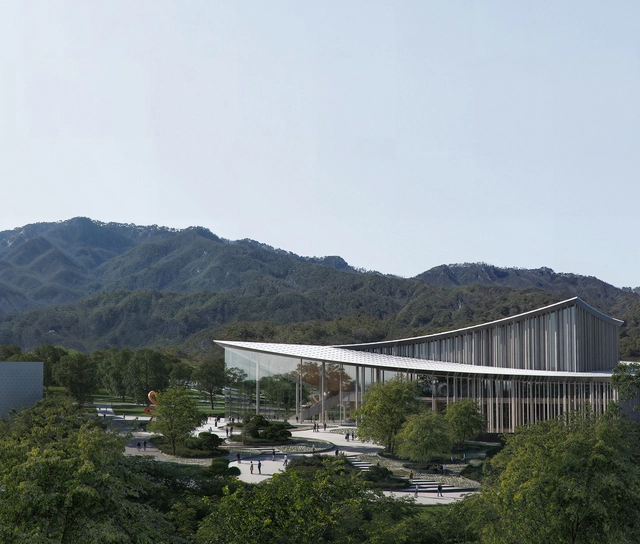
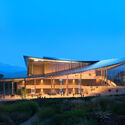
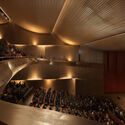
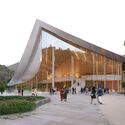
3XN has just won an international competition, which they were invited to participate in, to design the Chungnam Art Center in Chungcheongnam-do, South Korea. Designed in collaboration with SIAPLAN and MDA, the new art center aims to serve as a key destination for creative expression. Drawing inspiration from the dynamic movements of art, the center seeks to create a space where everyone can both experience and participate in the arts.


https://www.archdaily.com/1018180/3xn-wins-competition-to-design-chungnam-art-center-in-south-koreaNour Fakharany
1 Month to go: Paris Renovates Iconic Training Venues for 2024 Olympics
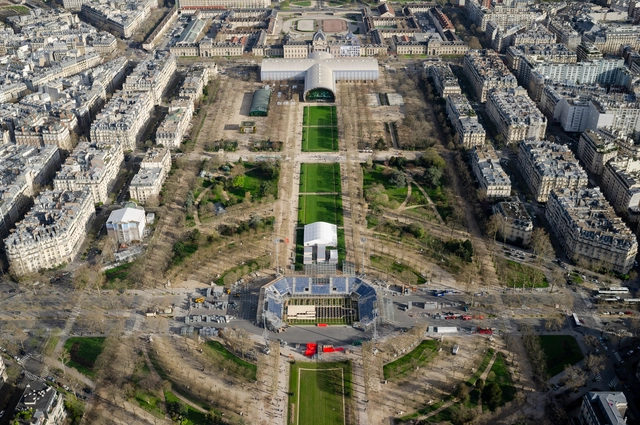
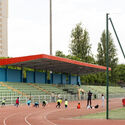
With just one month to go until the XXXIII Olympic Games in Paris, the city is in a final push to ensure that the landscape and infrastructure are ready for the world’s largest sporting event. Set to start on July 26 and continue until August 11, 2024, the Paris City Council has approved numerous initiatives to transform the city. Aiming for a greener, healthier, and more mobile Paris, the city has undergone massive changes to showcase its modern advancements and rethink the structure of the Olympic Games.
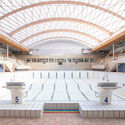
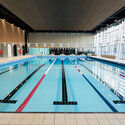
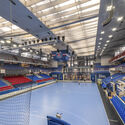

https://www.archdaily.com/1018124/1-month-to-go-paris-renovates-iconic-training-venues-for-2024-olympicsNour Fakharany
SOM's Residential Chicago Towers Break Ground in the United States
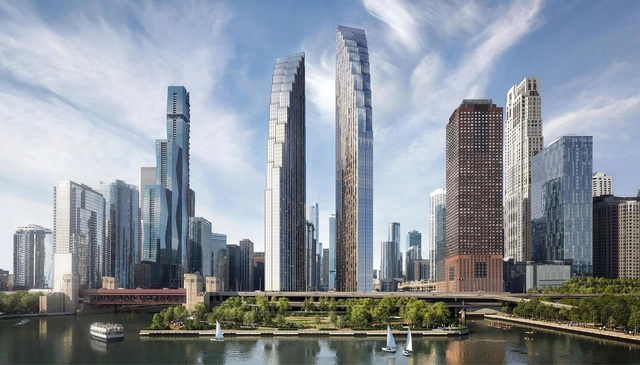
The Skidmore Owings & Merril (SOM) two-tower development in Downtown Chicago has just started construction. Situated at the intersection of Lake Michigan and the Chicago River, the new residential development seeks to redefine Chicago’s skyline. Composed of 635 residential units in its first phase, 20% of which are designated as affordable housing, the scheme also outlines the design of DuSable Park. Phase one of the project has officially commenced, occupying the last undeveloped waterfront parcel in the Streeterville neighborhood.
https://www.archdaily.com/894556/som-to-design-2-skyscrapers-on-former-chicago-spire-siteNour Fakharany
Redefining the Horizon: North America's Cutting-Edge Skyscrapers
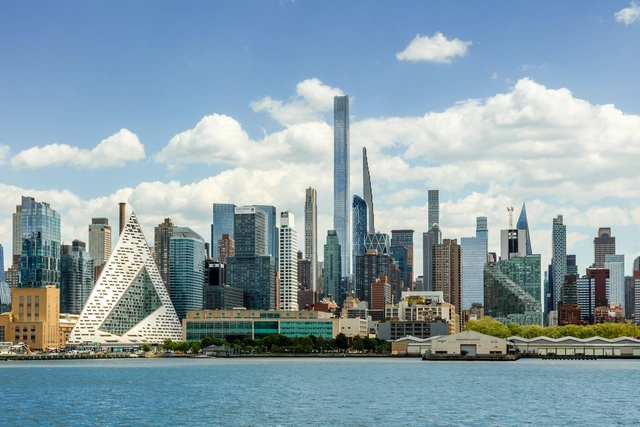
Skyscrapers are iconic symbols of modern urbanization and technological advancements all over North America. These structures are a sign of economic prosperity, urban density, and the capabilities of humanity’s ambition. In major cities across the continent, they shape the skyline and give identity to these metropolises. Cities like New York City, Toronto, and Florida utilize these cutting-edge designs to showcase power beyond their physical stature.
In general, skyscrapers are characterized by their remarkable height and pioneering engineering capabilities. They use advanced materials such as steel, glass, and concrete and serve as multifunctional spaces, ranging from housing to hotels and offices. Architects all around the world continually push the boundaries of architectural creativity, design, sustainability, and functionality while crafting these buildings. The structures allow architects to maximize land use in new ways, tackling densely populated urban areas.


https://www.archdaily.com/1006337/redefining-the-horizon-north-americas-cutting-edge-skyscrapersNour Fakharany
C.F. Møller Architects Wins Urban Development Competition to Reimagine Luna District in Södertälje, Sweden
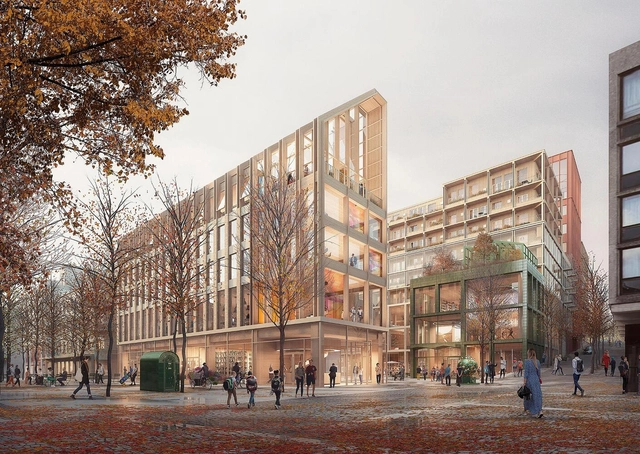
C.F. Møller Architects has just been declared the winner of the urban competition to develop the Luna District in Södertälje, Sweden. Their proposal, “The Sky is Our Roof” outlines the transformation of the Luna District, known as Lunagallerian, representing one of the most extensive urban development projects in Södertälje’s history. Set to be reimagined into several open urban districts, the project was selected out of 35 architectural firms.
https://www.archdaily.com/1018007/cf-moller-architects-wins-urban-development-competition-to-reimagine-luna-district-in-sodertalje-swedenNour Fakharany
Exploring the Interconnectedness of Human and Environmental Health: In Conversation with Dr. Arta Yazdanseta
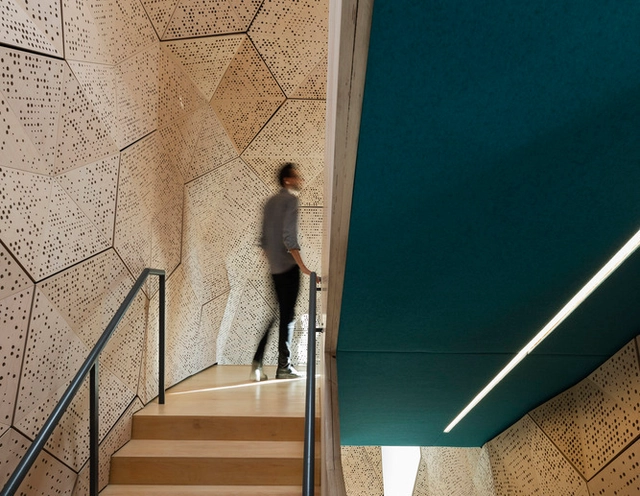
In the evolving landscape of architecture and urban design, bioclimatic and biogenic envelopes present a compelling vision for future cities. Dr. Arta Yazdanseta, a Doctor of Design focused on energy and environments, dives into the intersection of design, building performance, and plant biophysical ecology. With a focus on bioclimatic and biogenic envelopes, Dr. Yazdanseta examines how these typologies can enhance socio-natural systems by leveraging their self-organizing potential. Dr. Yazdanseta’s academic journey includes earning a Doctor of Design and a Master of Design in Energy and Environments from the Harvard Graduate School of Design.
Her contributions as a researcher at the Harvard Center for Green Buildings and Cities include developing environmental design strategies and performance analyses for the HouseZero carbon retrofit project. In this interview, Dr. Yazdanseta explores the concept of bioclimatic envelopes and their interaction with passive architectural design principles. With a potential to revolutionize urban environments, the interview reveals insights into her research, the benefits of plant-based materials, and the future of sustainable architecture, emphasizing the critical connection between human and environmental health.


https://www.archdaily.com/1017771/dr-arta-yazdanseta-explores-the-interconnectedness-of-human-and-environmental-healthNour Fakharany
UNESCO World Capital of Architecture 2026: Barcelona and the Capacity of Architecture to Transform Reality
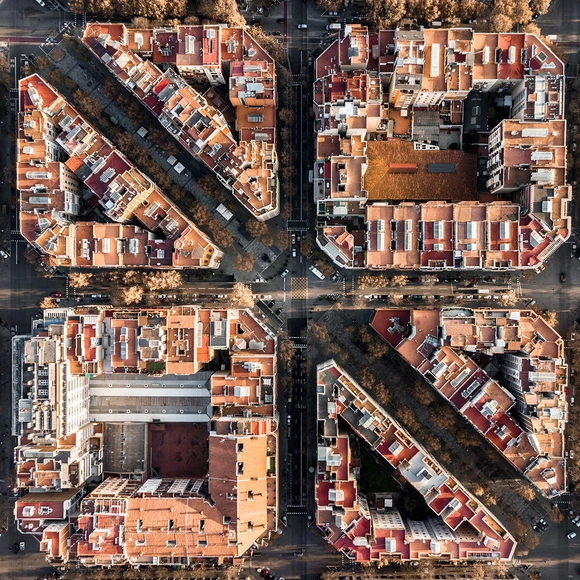
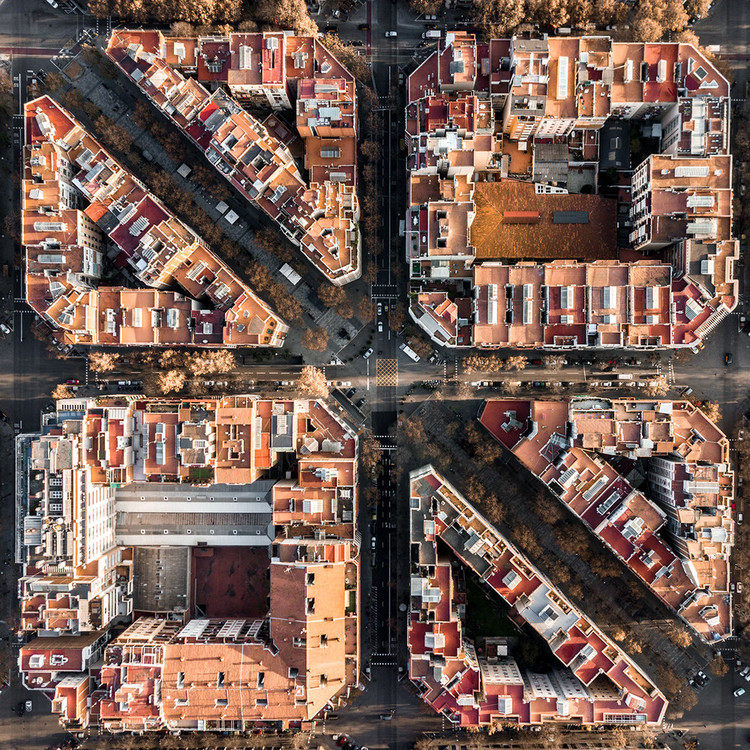
Joining Copenhagen and Rio de Janeiro, Barcelona has been named the UIA's 2026 World Capital of Architecture by UNESCO. This title recognizes the city's commitment to promoting the values of architecture, urban planning, and sustainability. Outshining Beijing as the other contender for the 2026 title, Barcelona won the bid with its proposal titled "One today, one tomorrow," with a plan to host a series of transformative events across all its districts and become a research laboratory analyzing the capacity of architecture to transform reality over time.


https://www.archdaily.com/966002/barcelona-named-unesco-world-capital-of-architecture-for-2026Nour Fakharany
Studio Gang's Brooklyn Community Center Reimagines Equitable Food Systems in the United States
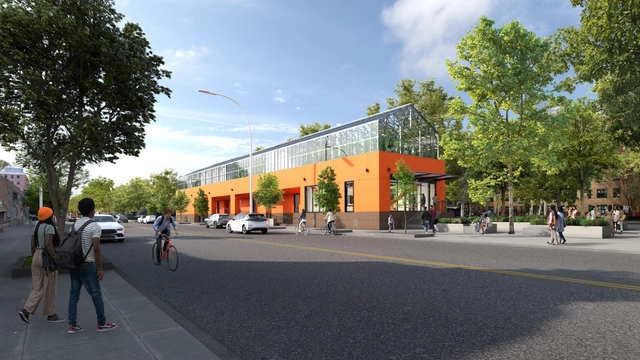
Studio Gang has just released the design for the new Marlboro Agricultural Education Center in Brooklyn, New York. Reimagining a more equitable and inclusive food system, the design transforms a New York City Housing Authority (NYCHA) campus into a hub for multigenerational education, job training, and community leadership in urban agriculture. Operated by the nonprofit organization The Campaign Against Hunger (TCAH), the Center seeks to leverage longstanding efforts across the city to enhance food autonomy and security in underserved neighborhoods.
https://www.archdaily.com/1017840/studio-gangs-brooklyn-community-center-reimagines-equitable-food-systems-in-the-united-statesNour Fakharany
“Resources For a Future”: Tallinn Architecture Biennale Announces Program and Curation for 2024 Edition
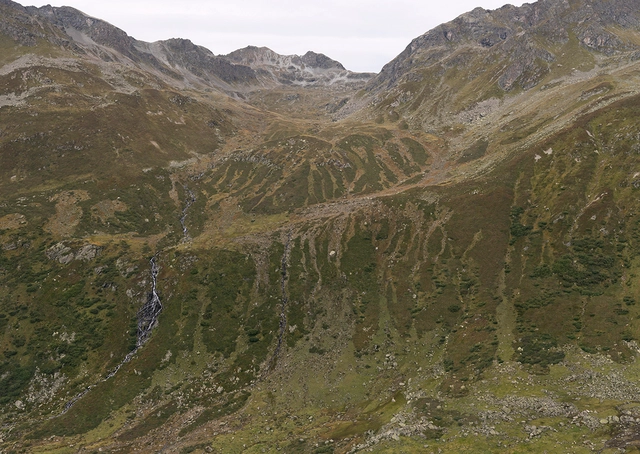
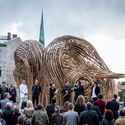
The 7th Tallinn Architecture Biennale (TAB 2024) will commence on October 9th, 2024, at various venues around the city. Organized by the Estonian Centre for Architecture, this edition of the global architecture exhibition explores “Resources For a Future,” hoping to encourage dialogue, interdisciplinary work, and innovation within architecture. The event targets both architects and the general public and includes a comprehensive program featuring workshops, panels, seminars, and Open House Tallinn.



https://www.archdaily.com/1017788/resources-for-a-future-tallinn-architecture-biennale-announces-program-and-curation-for-2024-editionNour Fakharany
"Capital Brutalism" Exhibition Explores Washington D.C's Architectural Legacy in United States
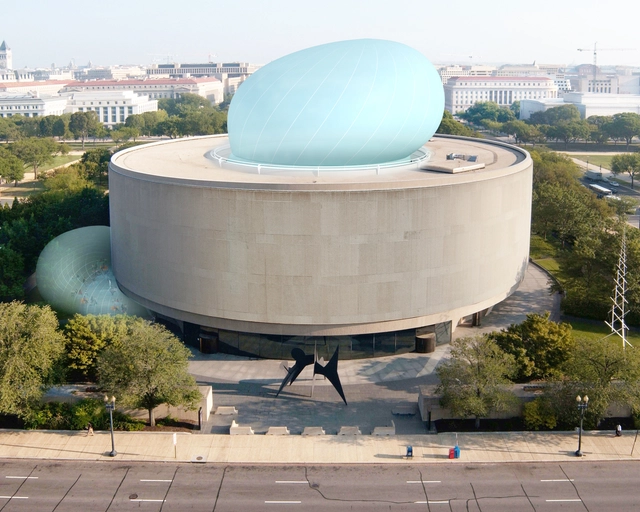
Brutalist buildings are a significant component of Washington, D.C.’s architectural identity. In the National Building Museum’s new exhibition, Capital Brutalism, this identity is explored further. Co-organized with the Southern Utah Museum of Art (SUMA), Capital Brutalism is a comprehensive exhibition of Brutalist architecture in Washington, D.C., to date, running until February 17th, 2025.


https://www.archdaily.com/1017739/capital-brutalism-exhibition-explores-washington-s-architectural-legacy-in-united-statesNour Fakharany