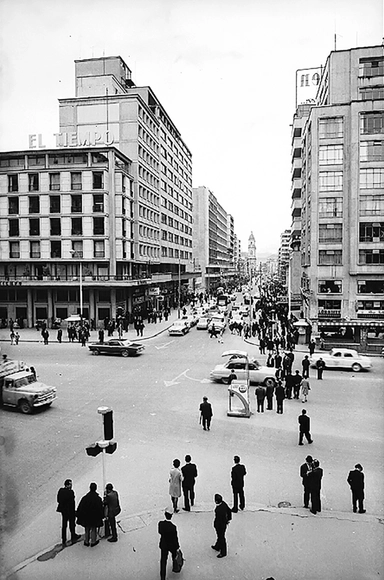
Mayorga-Fontana Arquitectos + Margarita Roa

BROWSE ALL FROM THIS AUTHOR HERE

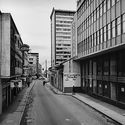
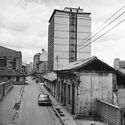
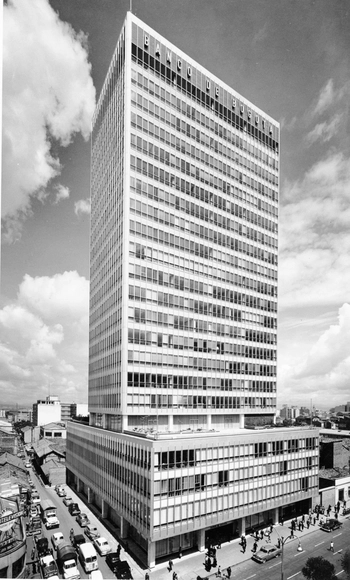
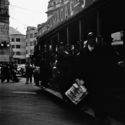
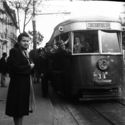
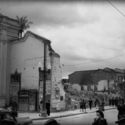
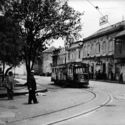
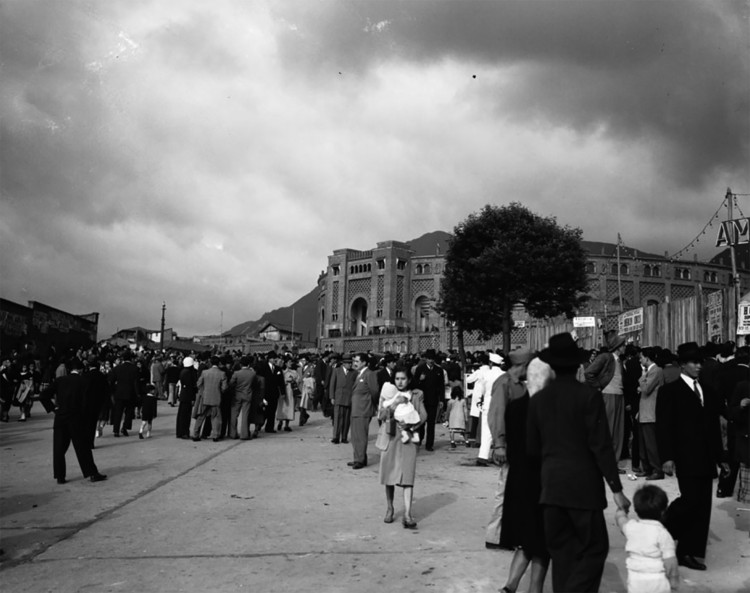
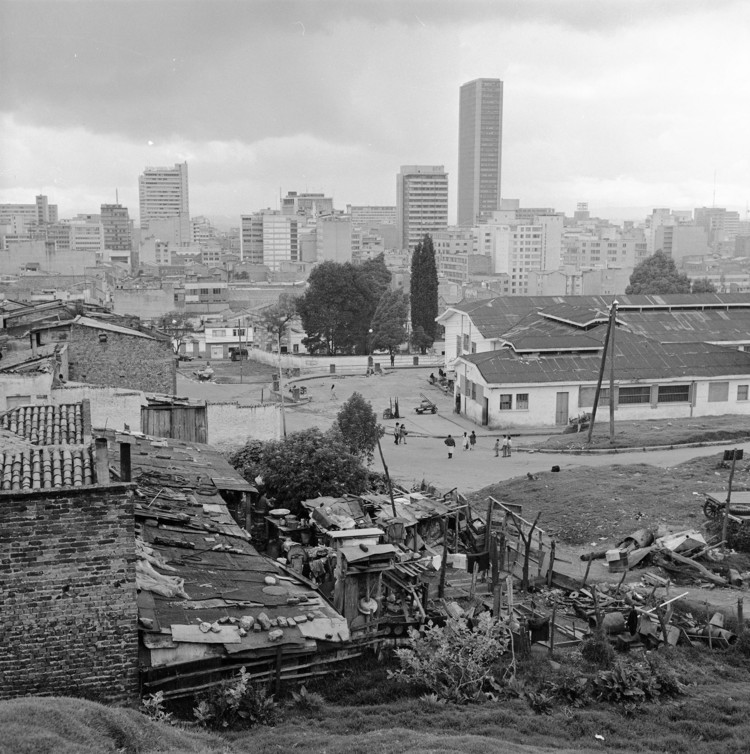
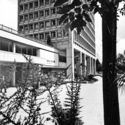
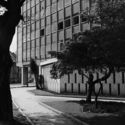
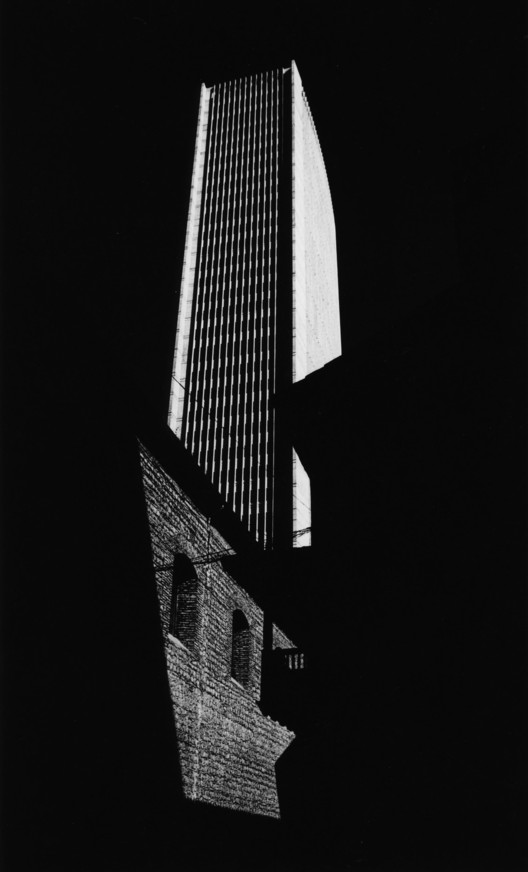
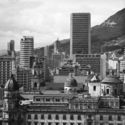
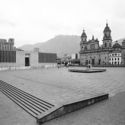
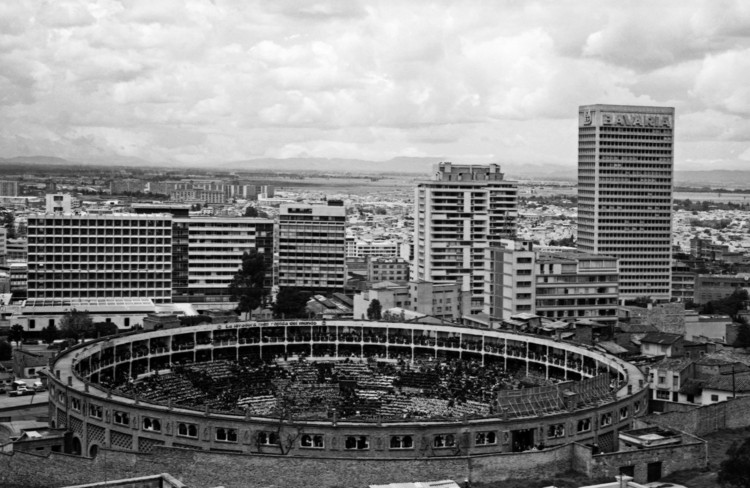
Bogotá, according to the photography of Daniel Rodríguez

Subscriber Access | 

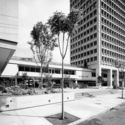
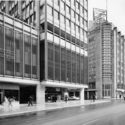
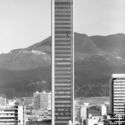
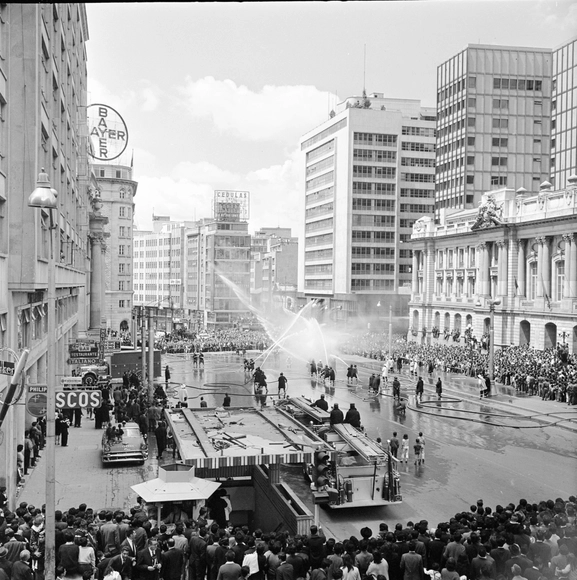
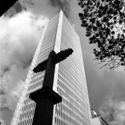
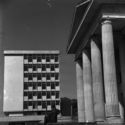
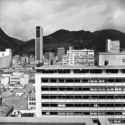
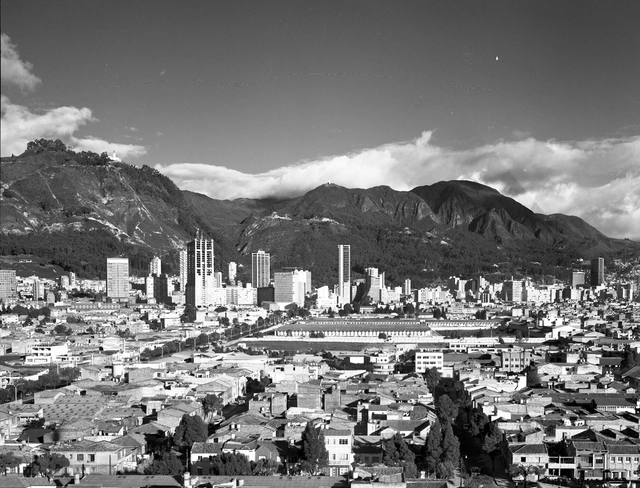
The modernization of Bogotá between 1940 and 1970, captured in urban and architectural photographic essays, has been documented in various books, magazines, and photobooks of the era, as well as in images from public and private archives across the city. These images reveal a deliberate, and even critical, approach to how modern architecture reconfigured city centers and integrated new buildings and urban spaces with the existing cityscape.

To analyze the impact of photojournalism in this era, one must look to Sady González, Manuel H., and Daniel Rodríguez. Architecture and the city serve as the backdrop for scenes of urban life, characters, events, and daily activities, making their photographs an essential visual record for understanding the city's transformation and its historical context.

In this edition of Bogotá in the Eyes of 10 Photographers, we explore the legacy of Daniel Rodríguez:

Bogotá, according to the photography of Daniel Rodríguez - Image 1 of 4Bogotá, according to the photography of Daniel Rodríguez - Image 2 of 4Bogotá, according to the photography of Daniel Rodríguez - Image 3 of 4Bogotá, according to the photography of Daniel Rodríguez - Image 4 of 4Bogotá, according to the photography of Daniel Rodríguez - More Images+ 1

Bogotá, through the lens of Saúl Orduz

Subscriber Access | 

The modernization of Bogotá between 1940 and 1970, captured in urban and architectural photo essays, has been documented in various books, magazines, and photobooks of the era, as well as in images from the city's public and private archives. These images reveal an intentional, and even critical, approach to how modern architecture reconfigured city centers and positioned new buildings and urban spaces in relation to the existing urban landscape.

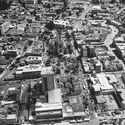
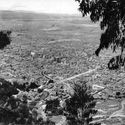
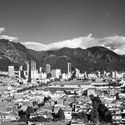
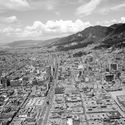
In analyzing the impact of aerial photography, Saúl Orduz and Rudolf Schrimpff are essential figures. While the subjects captured through the lenses of these two pilot-photographers were vast and varied, their aerial views of the city are highly numerous. Together, they form a consistent body of work documenting a modern city in transformation, offering insight into its urban development, as well as how different modern buildings and urban spaces were integrated into their surroundings.

In this edition of Bogotá through the Eyes of 10 Photographers, we explore the legacy of Saúl Orduz:

Bogotá, through the lens of Saúl Orduz - Image 2 of 4Bogotá, through the lens of Saúl Orduz - Image 3 of 4Bogotá, through the lens of Saúl Orduz - Featured ImageBogotá, through the lens of Saúl Orduz - Image 4 of 4Bogotá, through the lens of Saúl Orduz - More Images+ 1

Bogotá, through the lens of Germán Téllez

Subscriber Access | 

The modernization of Bogotá between 1940 and 1970, captured in urban and architectural photographic reportages, has been documented in various books, magazines, and photobooks of the era, as well as in images from the city's public and private archives. These photographs reveal a deliberate, even critical, approach to how modern architecture reconfigured city centers and put new buildings and urban spaces in relation to the existing urban landscape.

When analyzing the impact of photography on architecture, it is essential to discuss Paul Beer and Germán Téllez. While both captured a wide spectrum of subjects, these two photographers dedicated themselves more specifically to architectural photography. Commissioned by the most prestigious architectural firms of the era, their photographs reveal distinct yet complementary values, relationships, and aspects of modern architecture and the city.

In this edition of Bogotá in the Eyes of 10 Photographers we explore the legacy of Germán Téllez:

Bogotá, through the lens of Germán Téllez - 1 的图像 4Bogotá, through the lens of Germán Téllez - 2 的图像 4Bogotá, through the lens of Germán Téllez - 3 的图像 4Bogotá, through the lens of Germán Téllez - 4 的图像 4Bogotá, through the lens of Germán Téllez - More Images+ 1

Bogotá, Through the Photography of Hernán Díaz

Subscriber Access | 

The modernization of Bogotá between 1940 and 1970, captured in urban and architectural photographic essays, has been documented in various books, magazines, and photobooks of the era, as well as in images from the city's public and private archives. These photographs reveal a deliberate, and even critical, approach to how modern architecture reconfigured city centers, juxtaposing new buildings and urban spaces with the existing urban landscape.

To analyze the impact of street photography, one must look to Leo MatizArmando Matiz and Hernán Díaz. These three photographers captured the people, events, and urban life of Bogotá. From their extensive bodies of work, we have selected and highlighted images of streets, plazas, intersections, and landmark buildings. Whether capturing iconic or anonymous locations, these photographs cement modern heritage in the collective memory, casting architecture and urban spaces as the main protagonists.

In this edition of Bogotá through the Eyes of 10 Photographers, we explore the legacy of Hernán Díaz:

Bogotá, Through the Photography of Hernán Díaz - Image 1 of 4Bogotá, Through the Photography of Hernán Díaz - Image 2 of 4Bogotá, Through the Photography of Hernán Díaz - Image 3 of 4Bogotá, Through the Photography of Hernán Díaz - Image 4 of 4Bogotá, Through the Photography of Hernán Díaz - More Images+ 1

Bogotá, through the photography of Rudolf Schrimpff

Subscriber Access | 

The modernization of Bogotá between 1940 and 1970, captured in urban and architectural photo essays, has been documented in various books, magazines, and photobooks of the period, as well as in images from the city's public and private archives. These shots reveal a deliberate, even critical, approach to how modern architecture reconfigured city centers and positioned new buildings and urban spaces in relation to the existing cityscape.

When analyzing the impact of aerial photography, one must consider Rudolf Schrimpff and Saúl Orduz. Although the subjects captured through the lenses of these two photographer-aviators were broad and varied, their aerial views of the city are extensive. Together, they form a consistent body of work documenting a modern city in transformation, offering insight into its urban development, as well as how various modern buildings and urban spaces integrated into and related to their surroundings.

In this edition of Bogotá Through the Eyes of 10 Photographers, we explore the legacy of Rudolf Schrimpff:

Bogotá, Through the Photography of Armando Matiz

Subscriber Access | 

The modernization of Bogotá between 1940 and 1970, captured in urban and architectural photographic essays, has been documented in various books, magazines, and photobooks of the era, as well as in images from the city's public and private archives. These photographs reveal a deliberate, and even critical, approach to how modern architecture reconfigured city centers, bringing new buildings and urban spaces into relation with the existing cityscape.

When analyzing the impact of street photography, it is essential to discuss Leo MatizArmando Matiz and Hernán Díaz. These three photographers captured the people, events, and daily urban life of Bogotá. From their extensive bodies of work, we have selected shots of streets, plazas, intersections, and representative buildings—both iconic and anonymous spaces that, through photography, anchor modern heritage in the collective memory, with architecture and urban spaces taking center stage.

In this edition of Bogotá in the Eyes of 10 Photographers we explore the legacy of Armando Matiz:
Bogotá, Through the Photography of Armando Matiz - Imagem 1 de 4Bogotá, Through the Photography of Armando Matiz - Imagem 2 de 4Bogotá, Through the Photography of Armando Matiz - Imagem 3 de 4Bogotá, Through the Photography of Armando Matiz - Imagem 4 de 4Bogotá, Through the Photography of Armando Matiz - More Images+ 1

Bogotá, through the photography of Paul Beer

Subscriber Access | 

The modernization of Bogotá between 1940 and 1970, captured in urban and architectural photographic reportages, has been documented in various books, magazines, and photobooks of the era, as well as in images from the city's public and private archives. All these shots reveal an intentional, and even critical, approach to how modern architecture reconfigured city centers and connected new buildings and urban spaces with the existing cityscape.

When analyzing the impact of photography from an architectural perspective, it is essential to discuss Paul Beer and Germán Téllez. Within their broad spectrum of subjects, these two photographers dedicated themselves specifically to architectural photography. They received commissions from the most prestigious architecture firms of the time, and their shots reveal different, complementary values, relationships, and aspects of modern architecture and the city.

In this edition of Bogotá through the Lens of 10 Photographers, we explore the legacy of Paul Beer:

Bogotá, through the photography of Paul Beer - Image 1 of 4Bogotá, through the photography of Paul Beer - Image 2 of 4Bogotá, through the photography of Paul Beer - Image 3 of 4Bogotá, through the photography of Paul Beer - Image 4 of 4Bogotá, through the photography of Paul Beer - More Images+ 1

Bogotá, according to the photography of Manuel H.

Subscriber Access | 

The modernization of Bogotá between 1940 and 1970, captured through urban and architectural photo essays, has been documented in various books, magazines, and photobooks of the era, as well as in the city's public and private archives. These images reveal an intentional, even critical, approach to how modern architecture reconfigured city centers, bridging new buildings and urban spaces with the existing cityscape.

When analyzing the impact of photojournalism, it is essential to examine the work of Sady González, Manuel H. and Daniel Rodríguez. In their work, architecture and the city serve as the backdrop for scenes of urban life, figures, historical events, and daily activities; their photographs offer an indispensable visual record for understanding the city's transformation and its historical context.

In this edition of Bogotá through the Eyes of 10 Photographers, we explore the legacy of Manuel H.:

Bogotá, through the photography of Sady González

Subscriber Access | 

The modernization of Bogotá between 1940 and 1970, captured in urban and architectural photo essays, was documented in various books, magazines, and photobooks of the era, as well as in images from public and private archives across the city. These images reveal an intentional, and even critical, approach to how modern architecture reconfigured city centers, placing new buildings and urban spaces in relation to the existing cityscape.

In analyzing the impact of photojournalism, the work of Sady González, Manuel H. and Daniel Rodríguez is essential. Architecture and the city serve as the backdrop for scenes of urban life, characters, events, and daily activities. Their photographs offer an indispensable visual testament for understanding the city's transformation and its historical context.

In this edition of Bogotá in the Eyes of 10 Photographers we explore the legacy of Sady González:

Bogotá, through the photography of Sady González - Image 1 of 4Bogotá, through the photography of Sady González - Image 2 of 4Bogotá, through the photography of Sady González - Image 3 of 4Bogotá, through the photography of Sady González - Image 4 of 4Bogotá, through the photography of Sady González - More Images+ 2

Bogotá, Through the Lens of Leo Matiz

Subscriber Access | 
Bogotá, Through the Lens of Leo Matiz - Image 5 of 4
Bogotá. Image © Archivo de Bogotá

Bogota's modernization between 1940 and 1970 is featured in a wide array of books, magazines, and photo albums, as well as in the city's own public and private archives. Every one of these sources reveals a deliberate, as well as critical, approximation of how modern architecture reconfigured the city's center and brought together the new buildings and urban space with the already existing cityscape.

When analyzing the impact of photography from the street, it's impossible not to talk about Leo MatizArmando Matiz, and Hernán Díaz. These three photographers have captured the personalities, events, and urban life of Bogotá. Here, we've compiled some of their most noted works featuring the streets, plazas, crosswalks, and landmarks of Bogotá. Through their photography, modern heritage finds a place on the stage of collective memory, where architecture and urban spaces are the stars. 

In this edition of Bogotá in 10 photographs, we will come to know the legacy of Leo Matiz:
Bogotá, Through the Lens of Leo Matiz - Image 1 of 4Bogotá, Through the Lens of Leo Matiz - Image 2 of 4Bogotá, Through the Lens of Leo Matiz - Image 3 of 4Bogotá, Through the Lens of Leo Matiz - Image 4 of 4Bogotá, Through the Lens of Leo Matiz - More Images+ 2