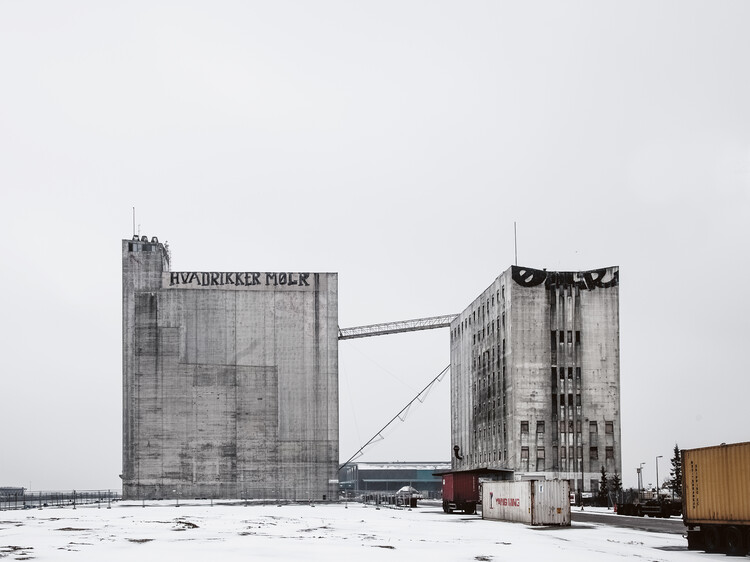
This article is part of "Thresholds", a special edition printed newspaper by Cobe Notes x ArchDaily.
Post–World War I modernism broke sharply with historicist and neoclassical traditions, stripping buildings of ornamentation and historical or religious reference to focus on priorities, clarity, and efficiency. Architecture embraced rationality and social reform, while art moved in the opposite direction, exploring self-expression, experimentation, and freedom from academic conventions.
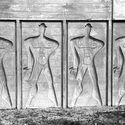
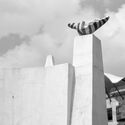
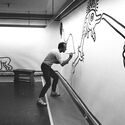
This tension between objective order and subjective perception has defined a threshold between the arts evident in contemporary architectural practices, where personal intuition increasingly gives way to measurable facts. Is our pursuit of answers, facts, and truths distancing us from something fundamentally human: questions, doubt, and ambiguity? The answer may lie in public, building-integrated art, a practice that sits precisely at that threshold, and asks practitioners in architecture and urban design to trust values that resist direct measurement.