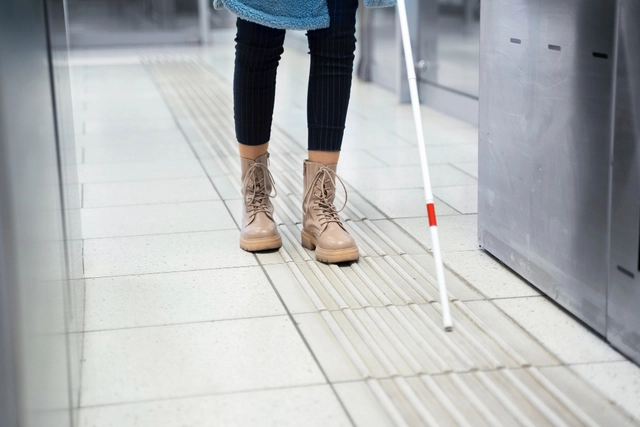
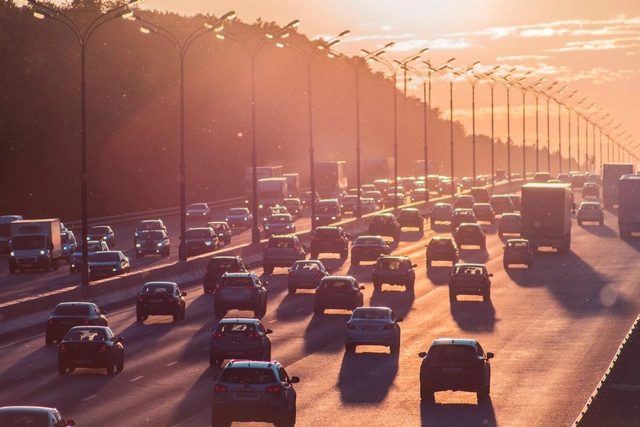
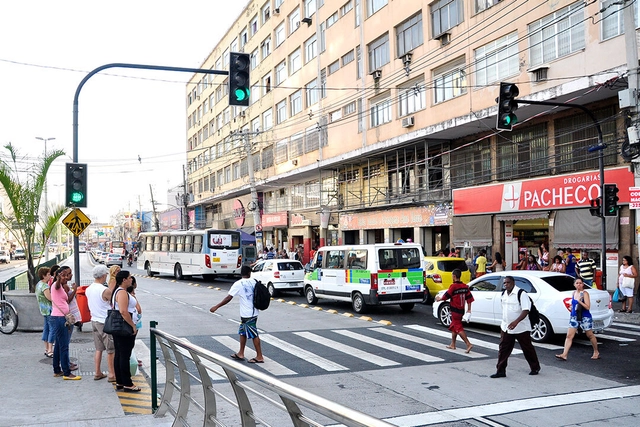
Although people with disabilities represent nearly 15% of the global population, and more than half of them live in urban areas, our cities rarely meet their needs. Most are designed from the perspective of non-disabled people traveling by private transport (such as cars and motorcycles), rather than those who walk, cycle, or use public transportation.
https://www.archdaily.com/1078840/how-to-ensure-access-to-the-city-for-people-with-disabilitiesITDP Brasil
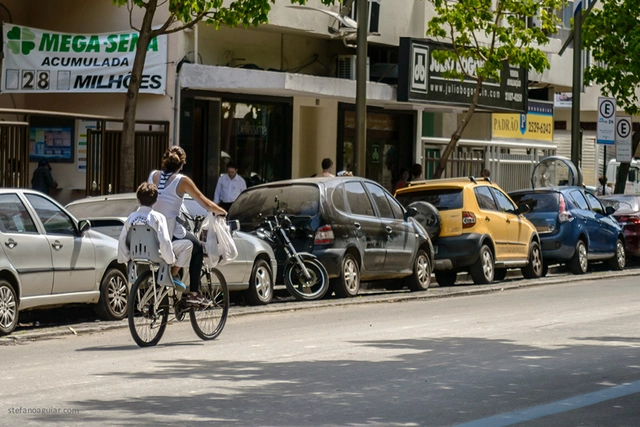
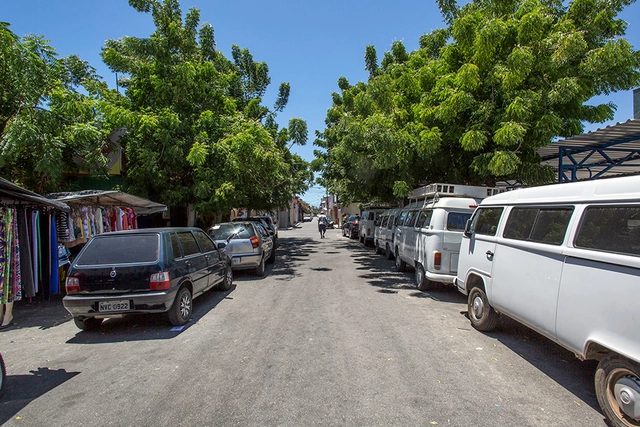
Parking lot in the city of Rio de Janeiro. Image: ITDP
Over the decades, the evolution of urban mobility has directly impacted not only the quality of travel but also the quality of life of everyone living in urban areas—especially those who are socioeconomically vulnerable. In the search for alternatives that can make travel more comfortable, safe, and efficient, managing automobile use combined with improving access to public transit, walking, and cycling is essential. But how does the supply of car parking spaces negatively affect mobility?
https://www.archdaily.com/1131990/how-parking-affects-urban-mobilityITDP Brasil
The choice to use private cars is understandable, extending far beyond the so-called "car culture." The convenience of point-to-point transit, flexible scheduling, and a sense of personal security justifies its use, especially where sustainable transportation networks do not adequately serve the entire population. But do drivers actually pay for the impacts they generate?
https://www.archdaily.com/1132385/understand-why-you-pay-for-cars-even-if-you-dont-use-themITDP Brasil
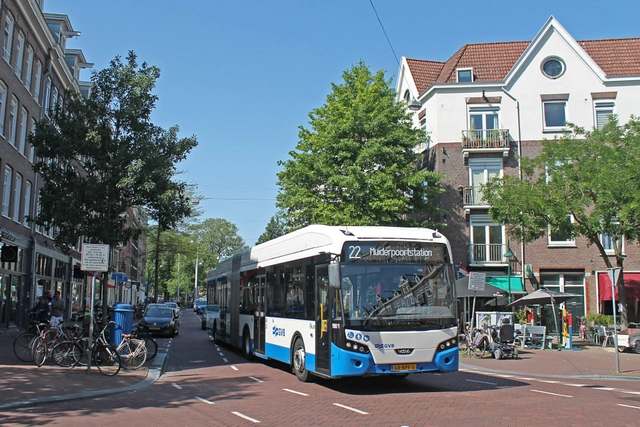
Photo: Daniël Bleumink/Flickr. Courtesy of Caos Planejado
Over the last few decades, discussions on addressing climate challenges have unfolded even as we experience their effects. Although cars and motorcycles are the primary emitters of pollutants, buses also play a significant role in greenhouse gas emissions and the rise of illnesses related to air pollution. In this regard, adopting new technologies, such as electric buses and alternative fuels, is essential to reducing their impact on public health and the environment.
https://www.archdaily.com/1132188/electric-buses-can-make-our-cities-more-sustainableITDP Brasil
Approximately half of the children and young people between five and 14 years old killed in traffic worldwide are pedestrians, and nearly one-third are passengers in motorized vehicles. In Brazil, traffic is the leading cause of unnatural death for children in this age group. According to data from the Brazilian Association of Traffic Medicine, between January and August 2021 alone, the Unified Health System (SUS) recorded more than 6,000 children and youth hospitalized in serious condition due to being struck by vehicles in the country.
Reversing this scenario requires making our streets safer and more comfortable for walking, focusing primarily on the needs of children. A city that works for children is a more prosperous and pleasant city for its entire population.
The lack of a consistent or coherent parking policy creates car-dominated environments that harm everyone. Image: Rodrigo Capote/WRI Brasil
In recent years, several extreme weather events around the world have devastated cities, including those in Brazil. In 2022, heavy rains battered the mountainous region of Rio de Janeiro, especially the city of Petrópolis, which recorded 250 landslides in a single day.
A similar situation occurred in Pernambuco, where above-average rainfall triggered landslides. In late 2021, in the state of Bahia, severe storms pushed at least 72 municipalities into a state of emergency. As in previous cases, these disasters caused casualties and left numerous families displaced. Globally, the situation is no different, even if the specific hazards vary.
https://www.archdaily.com/1132284/equity-on-the-streets-begins-with-parking-reformITDP Brasil
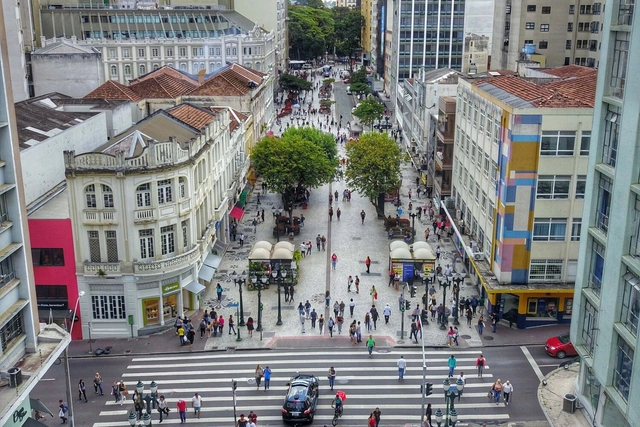
XV de Novembro Street in Curitiba, Brazil, became a social gathering point after being closed to cars in 1972. Via: CBN Curitiba
The urgent need to reduce greenhouse gas (GHG) emissions in the transportation sector presents both a challenge and an opportunity for local governments. This is particularly true for Zero Emission Areas (ZEAs)—urban zones where pollutant emissions are neutralized. This measure primarily benefits citizens, who enjoy healthier urban spaces and more vibrant commercial activity. However, ensuring success—or at least mitigating public backlash—requires deep social engagement and effective communication with the population.
https://www.archdaily.com/1132084/what-are-zero-emission-zonesITDP Brasil
Various studies have indicated that, to prevent temperatures from rising more than 1.5°C, there must be a major drop in greenhouse gas (GHG) emissions. To achieve this, it is necessary to developcompact cities designed for pedestrians, cyclists, and transit users, as well as rapidly and strategically adopting electric vehicles, with a focus on public transportation.
https://www.archdaily.com/1132312/compact-and-electrified-cities-to-curb-climate-changeITDP Brasil
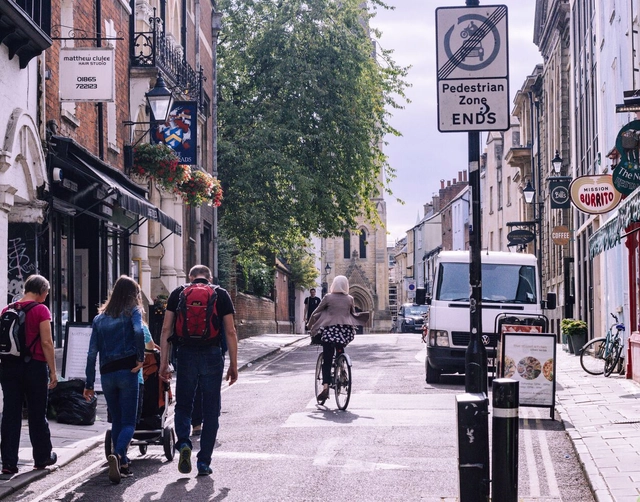
Oxford plans to transform its entire city center into a Zero Emission Zone. Photo by Suad Kamardeen, via Unsplash
The need to reduce greenhouse gas (GHG) emissions in the transportation sector is urgent, and implementing measures to this end represents both a challenge and an opportunity for local governments. This is the case with Zero-Emission Areas (ZEAs), urban sectors where pollutant emissions are neutralized. This measure primarily benefits those who will enjoy healthier urban spaces and more vibrant commercial activities. However, ensuring its success—or at least mitigating public backlash—requires deep social engagement and effective communication with the population.
https://www.archdaily.com/1136419/everything-you-need-to-know-about-zero-emission-zonesITDP Brasil
More than one billion babies and children live in urban environments. However, the way cities are planned fails to consider their needs, or those of the people responsible for their care. To support decision-makers, urban planners, and transportation professionals in improving access to urban opportunities for thousands of Brazilian children, ITDP Brasil has launched Access for Babies, Toddlers, and Caregivers, developed in partnership with the Bernard van Leer Foundation.
https://www.archdaily.com/1136398/are-our-cities-meeting-the-demands-of-babies-and-childrenITDP Brasil
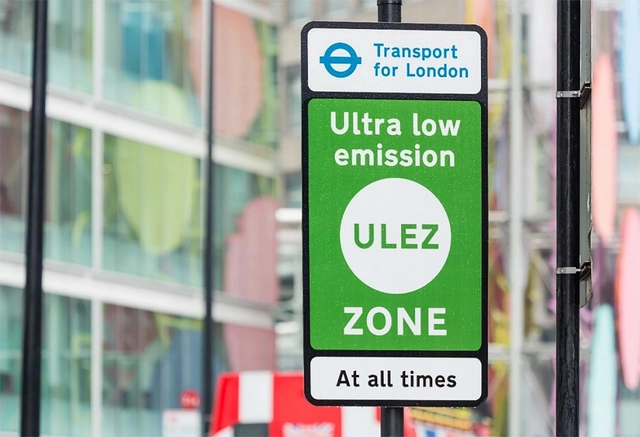
Discouraging the use of private cars is a crucial step in addressing climate change, improving air quality, and reducing traffic collisions. Cities must find ways to curb traffic and prioritize human well-being, while also considering the environmental and social impacts of automobile use by offering transportation options that generate lower carbon emissions.
Recently, low-emission zones (LEZs) have become a popular strategy in several cities worldwide. The measures implemented in these areas effectively reduce car dependency by offering cleaner, more affordable, and accessible transportation alternatives.
https://www.archdaily.com/1136277/what-is-a-low-emission-zoneITDP Brasil
On the 6th, Rio de Janeiro Mayor Eduardo Paes requested CET-Rio, the municipal traffic management agency in the capital, to adjust the speed limits along the waterfront roads. This measure is of paramount importance given that, according to City Hall, more than 600 people lost their lives in traffic crashes in Rio last year, with over 60% resulting from pedestrians being struck by vehicles.
https://www.archdaily.com/1136075/understand-why-rio-de-janeiro-needs-safer-streetsITDP Brasil