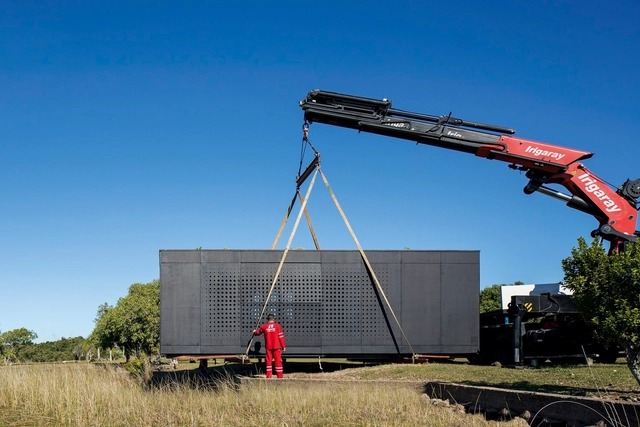
Le Corbusier's fascination with the automobile is evident in the architect's various photographic records of him posing proudly next to a car in front of his architectural work. According to the Franco-Swiss architect, in addition to enabling more efficient and economical construction, the industrialization of architecture could form the basis of improved aesthetic results in the same way the modern car chassis supports the creative and modern design of the automobile body. Yet, while vehicles have experienced impressive changes since the 1930s, it can be said that architecture has been slower to adopt the advances of other industries.
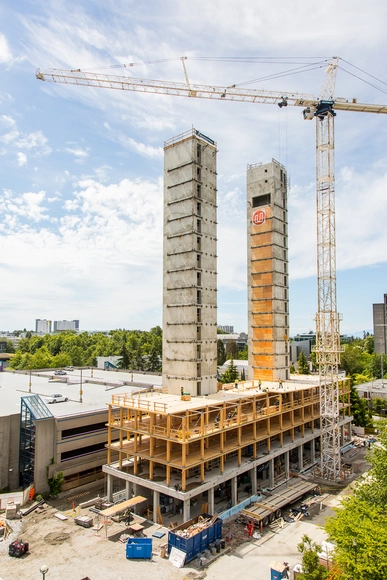
But that has been changing little by little. Driven by concerns around sustainability, the use of non-renewable fossil resources, and efficiency, coupled with accelerating demand to build new buildings and more accessible infrastructure, the construction industry has been incorporating numerous new technologies, including those adopted from other industries. In addition, renewable materials such as wood have been identified as an ideal construction material—especially when incorporating innovative mass timber products such as CLT and glulam, design methods and processes like BIM and DfMA, tools for visualization such as VDC, and tools for manufacturing such as CNC. We know, these are a lot of acronyms, but we will try to clarify them throughout this article.
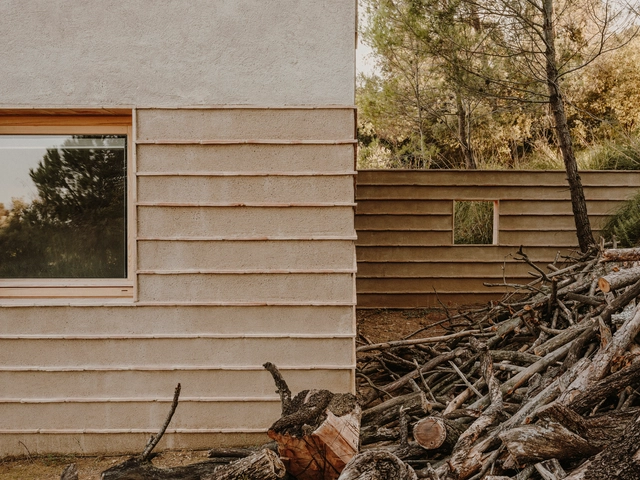
Along with concerns about our environment, new movements, words, concepts, and terms related to these issues constantly emerge, which require us to always remain up to date. The word sustainability itself faced some resistance until it was incorporated into common vocabulary and used widely in the most diverse contexts. Currently, much discussion surrounds the terms circular economy, resilience, the 4 Rs, urban mining, and others. In addition, there are some sustainability-related movements that have been incorporated from activism in other fields, showing the fluidity of such issues. One such initiative is the 0 kilometer materials movement, which has been featured in manifestos and some projects, albeit timidly, in recent times.
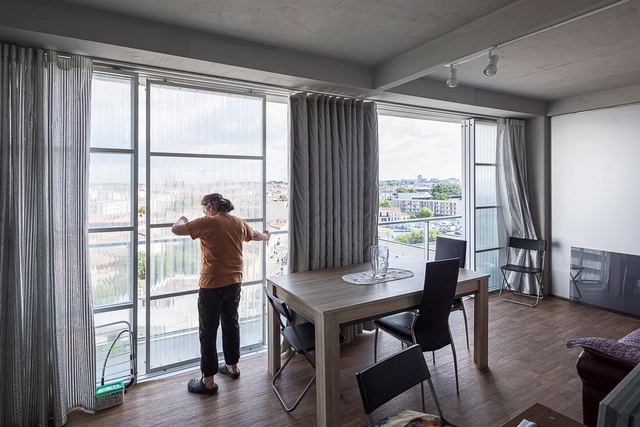
Paulo Mendes da Rocha often says that the function of architecture is nothing more than ‘supporting the unpredictability of life’. Spaces stand everyday life, meetings, landscape, art. Something like a frame, which is often also considered a supporting element of a work of art, since it highlights and, mainly, directs the viewer's gaze to the main object. The phrase of the Brazilian architect combines well with the way that the Lacaton & Vassal office works. The French couple's award raises some questions about how accurate their choices are for the current moment in the world. This includes the philosophy of their work, the design solutions adopted and the material palette generally adopted.
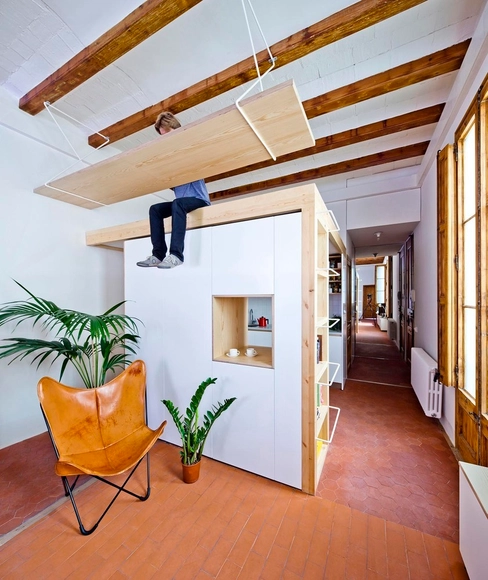
The height of the ceiling of a space heavily influences our perception of it. Generally, local building codes regulate the minimum dimensions for ceiling height, which are calculated to ensure adequate quality of life in the environment. But the exact height of the ceilings is often defined by the dimensions of other materials that make up the building, the height of the constitutive slabs, or even by rounding the dimensions of the stair steps. It is common, with the densification of cities aimed at increasing profitability, for entrepreneurs to design with minimum ceiling heights in houses and offices, reducing construction costs. On the other hand, in older structures, more generous ceilings can be observed, which generally enable a greater degree of design freedom. But how can architects make the most of these spaces?
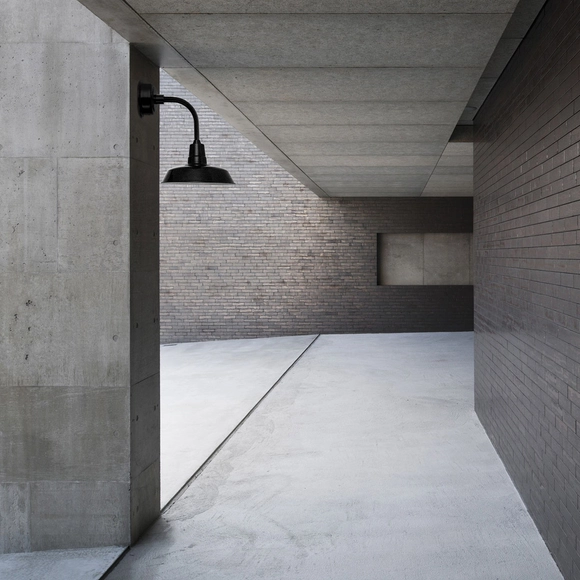
Because of their aesthetic forms, robust materials, and the nostalgic memories to which they refer, old objects often please many people and, from time to time, end up returning to fashion. In the construction industry this is no different. One object that has remained popular forever is the shed light, more specifically the Gooseneck Lamp. Its combination of a traditional look with newer technologies creates an extremely attractive product.
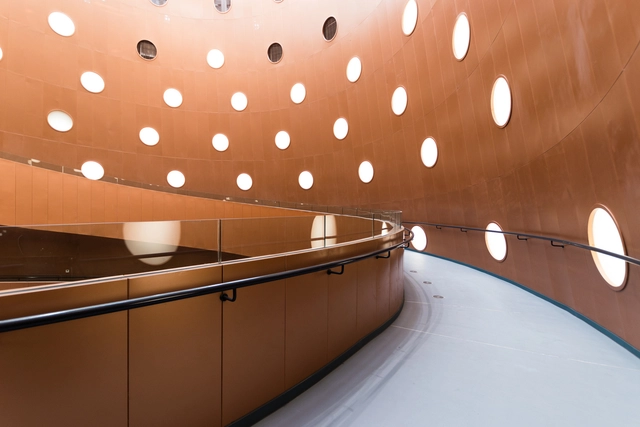
There are two main reasons why boat windows are round. They are easier to seal and, above all, more resistant to the high pressure that water exerts on them. This is because living corners are places where tensions are naturally concentrated, weakening the structure as a whole. This is also why aircraft windows are small and round; high pressures are better distributed in curved shapes, reducing the likelihood of cracks or breaks.
In architecture, circular openings are quite old. The Oculus, a type of circular window, has been a feature of classical architecture since the 16th century. Also known by the French expression oeil de boeuf (bull's eye), circular or semi-circular openings are formed from the construction of masonry arches, which allow for the creation of openings only by locking the constitutive pieces. Over time and following the incorporation of new technologies and development of construction knowledge, creating rectangular openings in buildings has become easier, more efficient, and cheaper than creating round ones. However, these circular windows still continue to figure in a multitude of projects.
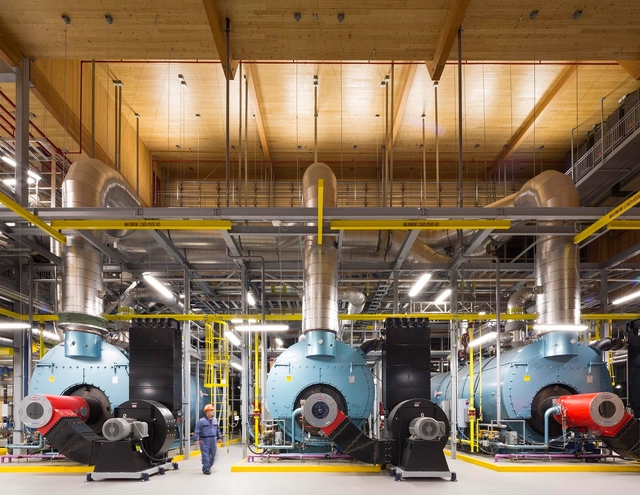
Industrial buildings are among the best examples of Louis Sullivan's famous phrase "form follows function." Generally, they are functional, efficient buildings, quick to build and unornamented. That is why, when we study the industrial heritage of different cities and countries, we are able to understand local materials, technologies, and traditional construction methods of the time. England's red brick factories come to mind, as well as the roof lanterns used to provide natural light to factories and other typical construction elements. Metallic and precast concrete structures are currently the most commonly used due to a combination of construction efficiency, cost, the possibility of expansive spans, and the unawareness of the benefits of other materials, such as wood. Often, these industrial warehouses are also characterized by being cold and impersonal, in addition to having a considerable carbon footprint. But Canada's experience in recent years is noteworthy, where there have been an increasing number of wooden buildings constructed for industrial programs.
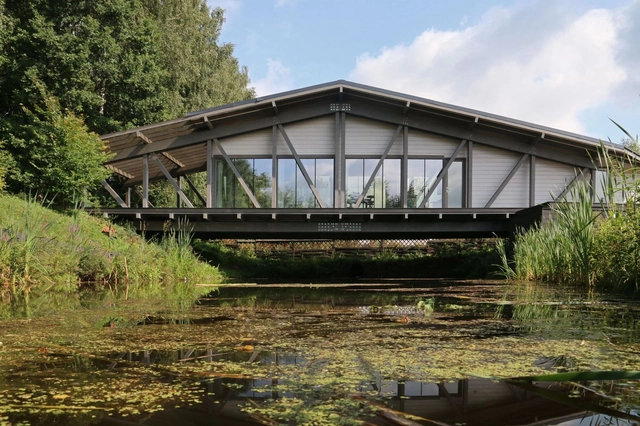
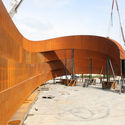
Bridge House / BIO-architects. Image Cortesia de Ivan Ovchinnikov
Metaphorically, building bridges equates to creating new opportunities, connections, and paths. The first bridges likely formed naturally with logs falling across rivers and natural depressions, though humans have also been building rudimentary structures to overcome obstacles since prehistory. Today, technological advances have made it possible to erect bridges that are both impressive and sculptural, playing a key role in transportation and connectivity. Usually needing to overcome large spans, with few points of support, bridges can be quite difficult to structure. But when is the bridge more than a connection between two points, instead resembling a building with a complex program? How can these 'bridge houses' be structured?
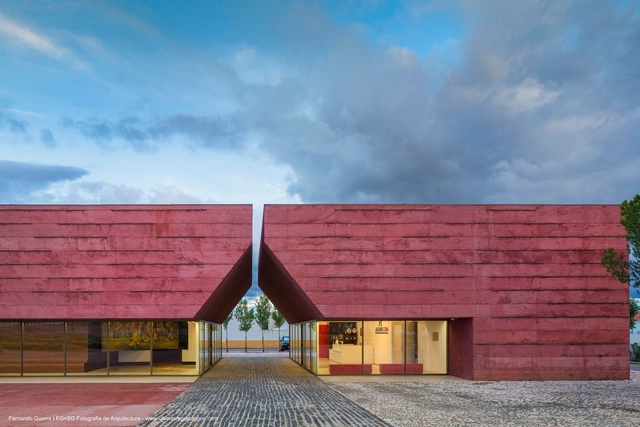
When we think of concrete, the color gray generally comes to mind. The traditional mixture of concrete, which comprises cement, gravel, sand, and water may vary in color depending on elements and admixtures but naturally varies from light to dark gray. However, compounds that add pigment to the mixture are becoming increasingly prevalent and popular, as they infuse the concrete with hues more stable than paint. These shades result from the addition of oxides: yellow, red and their derivations (eg. brown) are obtained with the addition of iron oxide; chromium and cobalt oxide create the greens and blues, respectively. For black concrete, it is common to use black iron oxide and carbon oxide combined with pozzolanic cement.
At the 2016 Venice Architecture Biennale, curator Alejandro Aravena decided to reuse 100 tons of material discarded by the previous Art Biennale to create the new exhibition halls. Besides preserving 10,000 m² of plasterboard and 14 km of metallic structures, the initiative intended to give value, through design, to something that would otherwise be discarded as waste. The project also shed light on another observation: as architects, we generally restrict ourselves to thinking about buildings during the design process, construction phase, and at most through the use phase. We hardly think of what will become of them when they are demolished at the end of their useful life, an issue that should urgently become part of the conversation.
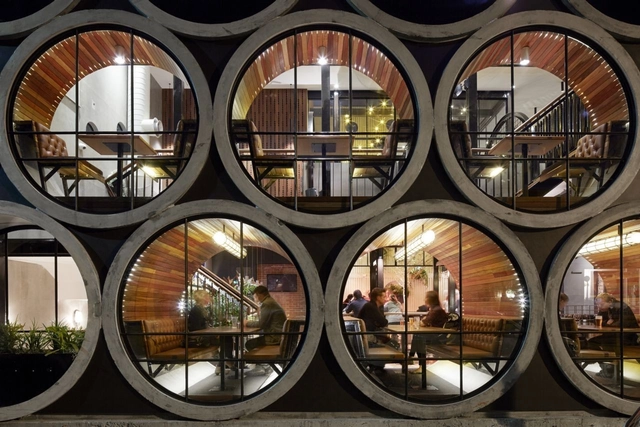
Urban infrastructures provide comfort to inhabitants and mitigate the risks of disasters such as flooding. Underground systems specifically conceal urban infrastructures from public view and are configured as real mazes under the streets. The distribution of drinking water, urban drainage, sewage, and even electrical wiring and fiber optics in some cases, pass under our feet without us noticing. To this end, the industry developed precast concrete parts for about 100 years that provided construction speed, adequate resistance to force, and durability against time. Concrete pipes with circular sections, in many diverse diameters, are perhaps the most used conduits and are ubiquitous around the world. But there are also those who use these apparently functional elements in creative architectural contexts as well.
In dystopian films, it is a common trope to depict the sky as filled with a thick fog, blocking the sun's rays and bringing a dark atmosphere to the scenes. Whether in Blade Runner or in a Black Mirror episode, the lack of sun commonly represents a future we would rather not live in. The sun provides heat to planet Earth and is a great source of light energy, essential for the survival of many living creatures. We can generate electricity from the sun and still use only a fraction of the energy it provides. Sunlight also regulates our circadian cycle, which affects our mood. But recent forest fires and industrial pollution in some large cities have already made the dystopian blockage of sun a relatively common phenomenon, depriving hours of sunshine from many inhabitants. Concurrently, with the COVID-19 pandemic, we are living a plot that few science fiction writers could have predicted, and new technologies and solutions have emerged to try to contain the spread of this invisible enemy. Can the sun, or specifically ultraviolet radiation, kill viruses and bacteria? Could it kill the coronavirus?
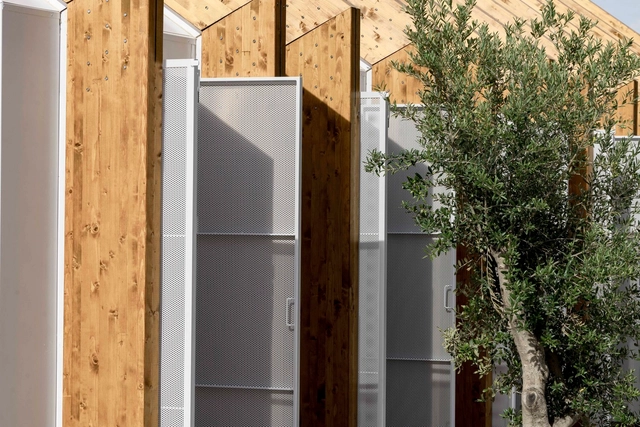
Since immemorial time, humans have constructed their shelter and homes using wood. Gradually these structures grew more complex, but wood has continued to play a fundamental role in architecture and construction. Today, especially due to growing concerns about climate change and carbon emissions, wood has been regaining significance as an important building material for the future, if used consciously and sustainably. Wood’s structural performance capabilities make it appropriate for a broad range of applications—from the light-duty repetitive framing common in low and mid-rise structures to the larger and heavier, often hybrid systems, used to build arenas, offices, universities and other buildings where long spans and tall walls are required.
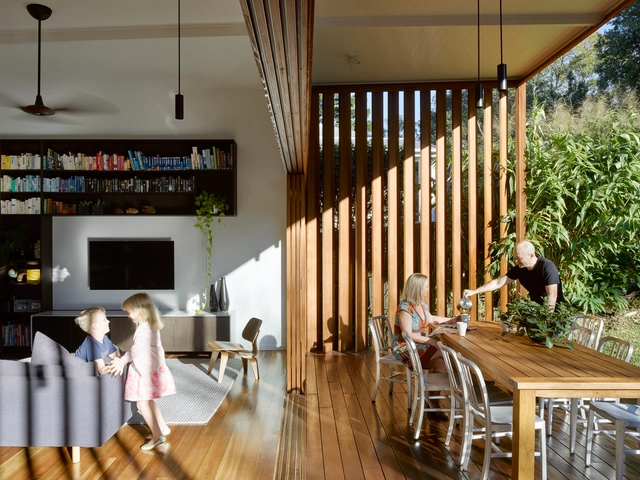
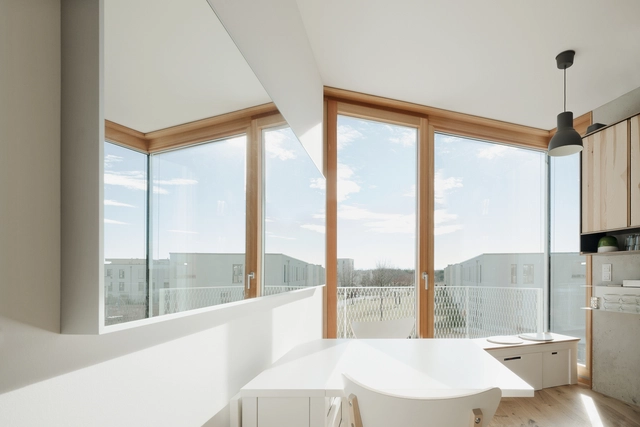
"And a window that looks out on Corcovado. Oh, how lovely." Tom Jobim's lyrics, immortalized by João Gilberto and Astrud Gilberto's voices and a soft guitar, was one of the early songs that introduced the world to the idea of a paradisaical Rio de Janeiro and a promising Brazil, with an increasingly urban population and a modern capital being built from nothing. Almost 60 years later, Paulo Mendes da Rocha casually quotes this song in an interview and points out that for him, in this scene, the most important element is the window, not Corcovado or Christ the Redeemer. That's because it frames the view and directs our eyes to what matters. It is a phrase that goes almost unnoticed, but that carries enormous poetic and artistic significance to the craft of architecture.
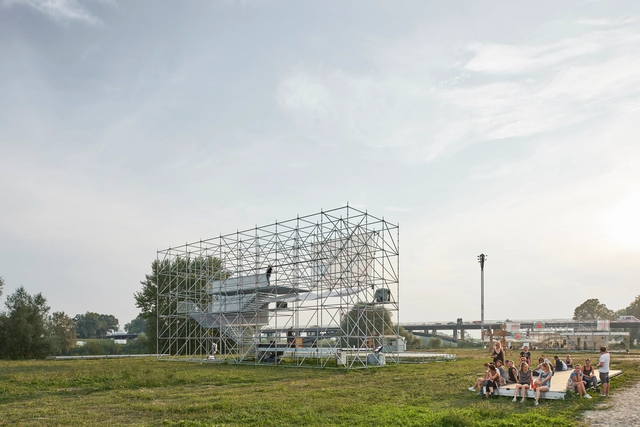
Little has been said about the contribution of scaffolding to the history of construction. These structures are generally treated as mere equipment and, as a result, their records are very scarce. Without scaffolding, however, it would be almost impossible to construct most of the buildings we know. Scaffolding allows workers to reach and move materials at difficult points in a construction, providing safety and comfort. But in addition to its role as a support structure for buildings, we have also seen that scaffolding can be used for mobile, temporary, and even permanent structures. Below, we explain its history and possibilities for use.
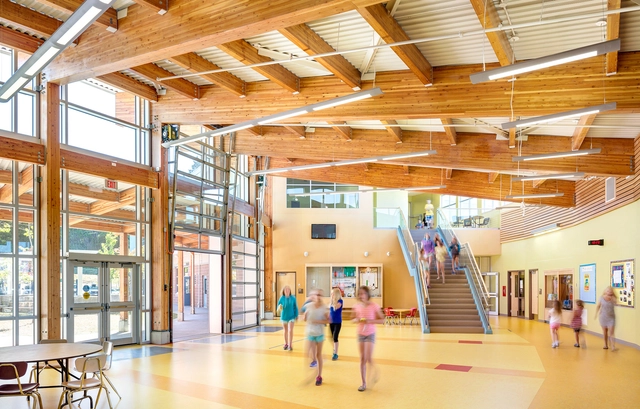
Many of our childhood experiences take place in school. Whether these memories are good or bad, most children and teenagers spend a majority of their days in classrooms or other educational facilities. According to IQAir, “every year, children spend an average of 1,300 hours in school buildings.” But even as the world changes rapidly, and the internet in particular increases the accessibility of information, the design and operation of schools remain, in a way, outdated. As noted in a previous article, ideally the typology of educational spaces and the configuration of classrooms should suit more contemporary ways of teaching and learning, rather than the traditional organization of rows of desks facing a teacher at the head. But it is important that the analysis of educational facilities does not stop there. All surfaces and materials have a significant impact on both the well-being and learning of users.
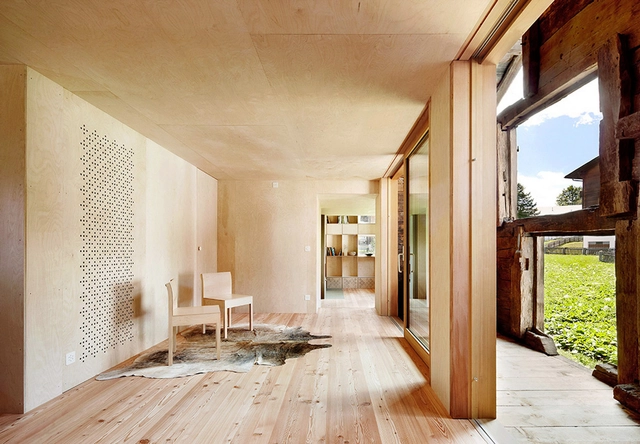
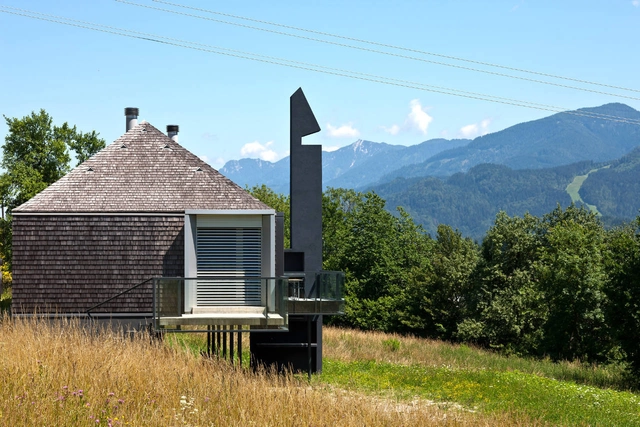
House in the Mountains / GEZA. Image Cortesia de geza
Francis D. K. Ching [1] characterizes a chimney as an “incombustible vertical structure, which contains a duct through which smoke and gases from a fire or furnace are pushed outwards and through which an air current is created.” While its pipes can be hidden in walls or other structures, the chimney top usually remains prominent in order to transfer dangerous gases from the inside out without dirtying the interior or harming the health of the occupants. Being vertical elements, there are chimneys that become major landmarks in the urban landscape, especially in industrial projects. At the time of drawing, deciding on the “weight” that the chimney will have in a project is essential. At Casa Milá, for example, Gaudí crowns the building in sinuous and curvy sculptural chimneys. In other cases, the solemnity of the building aesthetic is mirrored in its chimney, whereas in others, the architects render the chimney as hidden as possible. Recently, too, many chimneys have been refurbished for new uses or to accommodate new cleaner technologies. Whether it takes a prominent role or is hidden from view, see below some chimney design tips and possibilities of use.
The construction industry moves a huge amount of resources, employs millions of people, and is a fairly accurate gauge for the economic situation of different countries. If the economy goes down, construction shrinks, and vice versa. Members of the construction industry include mining companies, contractors, material manufacturers, architects, engineers, governments, real estate, and more. In other words, many agents participate either directly and indirectly in the industry. But construction is also considered to be one of the most backward and resistant industries to embrace new technologies, instead opting to replicate traditional ways of doing less efficient work with high rates of waste. A study by McKinsey & Company showed that, unlike other industries, industry productivity has remained stable in construction in recent years, despite all the technological progress that has occurred.