

Transform your vision into a reality and optimize your architectural drawings with Lumion
Articles
How to Create Custom Architectural Drawings
| Sponsored Content
https://www.archdaily.comhttps://www.archdaily.com/catalog/us/products/36782/how-to-create-custom-architectural-drawings-lumion
Deep Tones and Natural Roots: 22 Shou Sugi Ban Homes Across the US and Canada

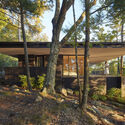
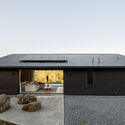
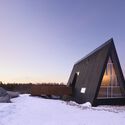
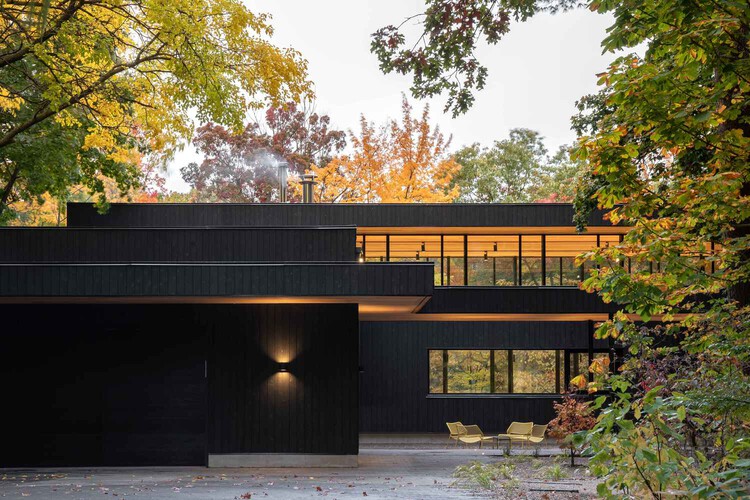
Shou Sugi Ban is a traditional Japanese technique for wood preservation that involves charring the surface of timber to create a protective layer. While its origins are rooted in practical durability, the method has been widely adapted into the modern built environment and shapes a unique and distinctive aesthetic. It is a material of contradiction: it remains bold in its visual language due to its dark tones, yet it simultaneously borrows from and complements its natural surroundings, allowing houses to settle quietly into their sites.
The charred finish among the 22 residences featured here across Canada and the United States serves as a common thread for navigating extreme climates. From humid lakefronts to dense forests, the carbonized skin acts as a resilient shield against diverse conditions. Beyond mere protection, these houses demonstrate how the material's texture changes with exposure to light, transforming from a flat matte in the shade to a silver-flecked, shimmering surface in direct sun. These projects also showcase the technique's ability to define architectural volumes, using the dark cladding to create sharp, monolithic silhouettes or to highlight the voids in a building's mass, such as recessed entryways and sheltered terraces.

https://www.archdaily.com/1038426/deep-tones-and-natural-roots-22-shou-sugi-ban-homes-across-the-us-and-canadaHadir Al Koshta
Seeding the Future and Reframing Architectural Impact
| In Collaboration

What matters more: looking to the past or to the future? Recognizing established trajectories or fostering paths still under construction? Perhaps this is not a question with a single answer. Traditionally, architecture awards have operated as devices of consecration, recognizing completed works, established careers, and already tested solutions, most often through a retrospective lens. But what would happen if recognition ceased to be an end in itself and instead began to operate as a catalytic agent, investing less in what has already been done and more in what is still yet to unfold?
https://www.archdaily.com/1038307/seeding-the-future-and-reframing-architectural-impactEduardo Souza
Rooms as Heritage: How Interior Typologies Carry Cultural Memory

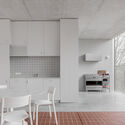
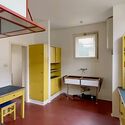
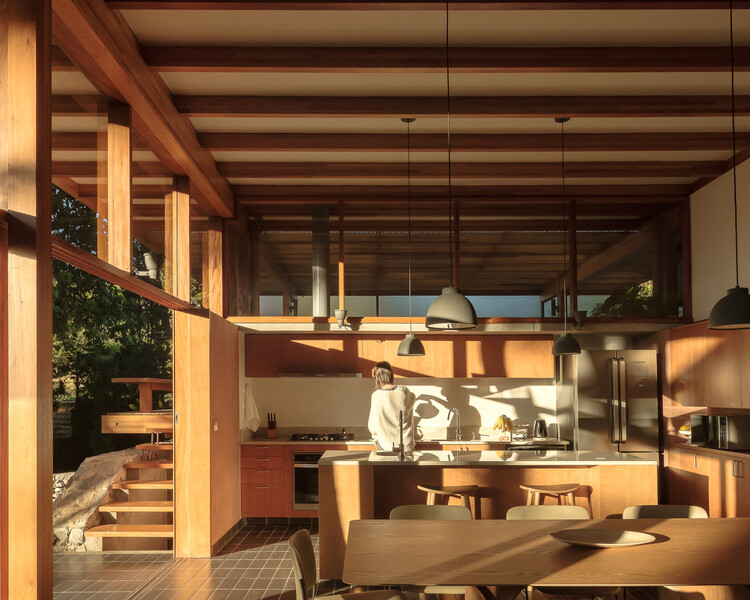
For decades, heritage has been easiest to recognize from the street. We protect facades, skylines, and monuments because they are visible, stable, and legible as cultural assets. Yet most of what we remember about living is how we eat together, withdraw, argue, care, and rest, which happen far from view. It happens inside rooms. As open plans quietly give way to thresholds, corridors, and enclosures, a deeper question emerges: what if cultural memory survives not in what architecture shows, but in how it is lived?


https://www.archdaily.com/1038460/rooms-as-heritage-how-interior-typologies-carry-cultural-memoryAnanya Nayak
Building at the Edge: New York and Hong Kong’s Competing Waterfront Logics

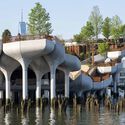
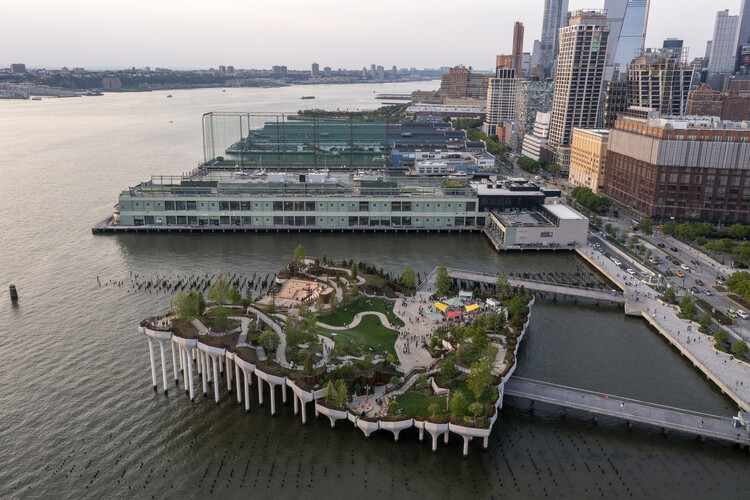
Coastal development in major cities has long been a terrain of opportunity and contention—shaped at once by the pursuit of capital (premium views, scarce land, and the promise of reclamation), by civic demands for public access and collective waterfront life, and by contemporary aspirations for sustainability and place-defining urban identity. Precisely because these agendas rarely align, extracting the full potential of waterfront sites is never straightforward.
Yet in New York City and Hong Kong, we can trace each city's ambitions—despite differing strategies, priorities, and political logics—through a set of keystone projects that anchor their coastlines. Read together, these projects reveal not only what each city chooses to value, but also what it is willing to trade off in order to build at the edge.



https://www.archdaily.com/1038456/building-at-the-edge-new-york-and-hong-kongs-competing-waterfront-logicsJonathan Yeung
Heritage After Failure: What We Will Keep From Today’s Architectural Mistakes

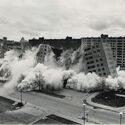
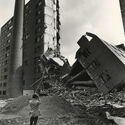
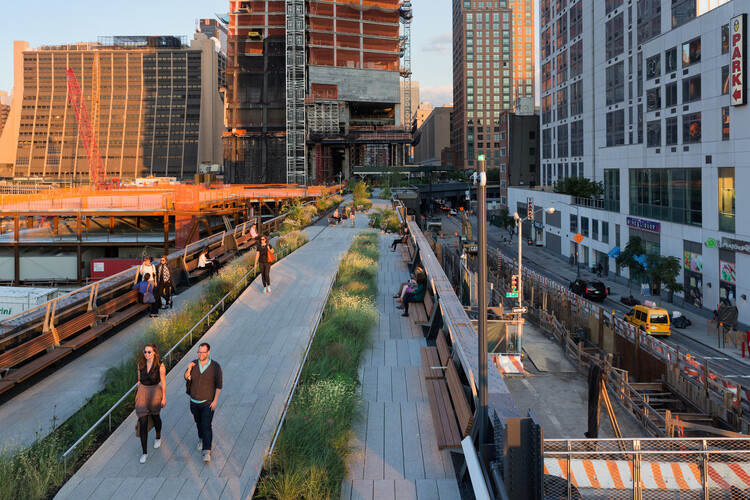
Architectural heritage is often described as what survives time. Yet survival does not explain why certain buildings are preserved while others disappear. Many works now protected as cultural heritage were once criticized, contested, or openly rejected; they were accused of being socially misguided, materially flawed, or symbolically excessive. Over time, however, these same shortcomings have become central to their meaning as heritage emerges as a slow and unstable process of interpretation.
Contemporary architecture operates under intense scrutiny, pressured by environmental responsibility, social equity, economic volatility, and accelerated technological change. Buildings are expected to perform ethically, efficiently, and symbolically, often simultaneously. As a result, architectural failure is no longer an exception but an increasingly common condition. Projects age faster, materials reveal limitations sooner, and urban strategies quickly fall out of sync with shifting political, social, and environmental realities.

https://www.archdaily.com/1038185/heritage-after-failure-what-we-will-keep-from-todays-architectural-mistakesDiogo Borges Ferreira
Tashkent Architecture City Guide: Ten Buildings of Soviet Hybrid Modernism

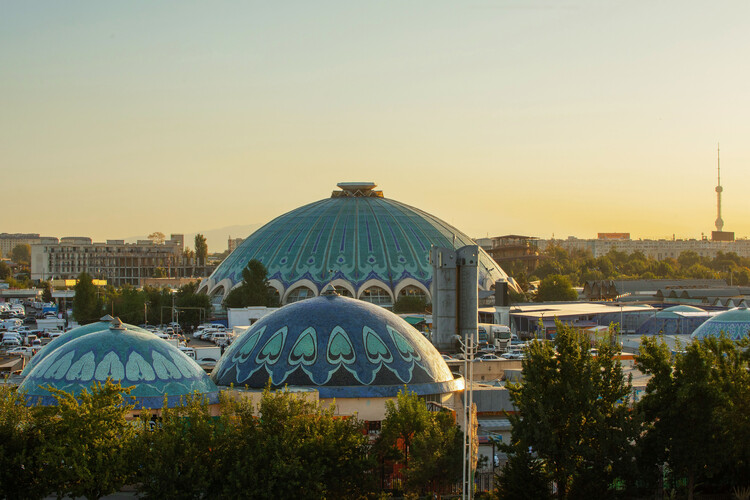
Situated along the historic Silk Road in Central Asia, Tashkent is a city with a long history spanning thousands of years. Its historic architecture is known for its courtyards, domes, and blue ceramics, typical of its Timurid heritage. The capital of Uzbekistan today, it was absorbed into the Russian Empire in the 19th century, before becoming a Soviet republic. While part of the Soviet Union, the city became an example of modernization, celebrating socialist achievements in Asia. A devastating earthquake in 1966 accelerated this modernization as the city was reconstructed, leading to many of the modernist monuments for which Tashkent is known today.
https://www.archdaily.com/1038318/soviet-architecture-of-tashkent-ten-key-buildings-of-hybrid-modernismMohieldin Gamal
Who Has Won the Pritzker Prize?

The Pritzker Prize is the most important award in the field of architecture, awarded to a living architect whose built work "has produced consistent and significant contributions to humanity through the art of architecture." The Prize rewards individuals, not offices, as happened in 2000 (when the jury selected Rem Koolhaas instead of his firm OMA) or in 2016 (with Alejandro Aravena selected instead of ELEMENTAL); however, the Prize can also be awarded to multiple individuals working together, as was the case in 2001 (Herzog & de Meuron), 2010 (Kazuyo Sejima and Ryue Nishizawa from SANAA), and 2017 (Rafael Aranda, Carme Pigem, and Ramon Vilalta from RCR Arquitectes).
https://www.archdaily.com/889628/who-has-won-the-pritzker-prizeNicolás Valencia
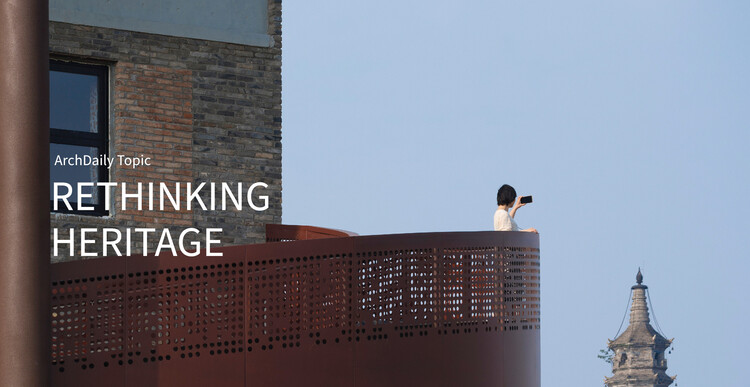
Rethinking Heritage: ArchDaily’s February Editorial Focus

"We know we are not born to die," often said Brazilian architect Paulo Mendes da Rocha. "We are born to continue." In architecture, this idea of continuity lies at the heart of heritage, not as a static inheritance, but as something that endures, transforms, and is constantly reinterpreted. Yet what continues, and what is allowed to disappear, is never neutral. Decisions about preservation are shaped by power, memory, and value, raising a fundamental question for contemporary practice: who defines what is worth carrying forward, and for whom?


https://www.archdaily.com/1038348/rethinking-heritage-archdailys-february-editorial-focusRomullo Baratto
Extreme Architecture: Challenges and Solutions in Inhospitable Environments

"In various regions of the planet, nature imposes adverse conditions on the human body. In these places, designing a building is almost like creating a garment: an artifact that protects and offers comfort. This challenge requires technological performance that must be combined with aesthetics. Making human beings feel good involves more than just meeting notions of comfort and safety; it's also a question of working with spaces in their symbolic and perceptual dimensions." This is the beginning of the description for the design of the Brazilian Antarctic Station in Antarctica, by Estúdio 41, located on the Keller Peninsula, where the surrounding sea freezes for around six to seven months of the year, where everything and everyone arrives by plane or ship and the nearest hardware store is days away. If designing a building in normal circumstances already presents numerous complexities, it's not hard to imagine the additional challenges when developing something in an extreme environment, such as locations with very high or low temperatures, or in places susceptible to corrosion, radiation, and more. In this article, we will explore the difficulties, the main solutions and the materials used in these contexts.
https://www.archdaily.com/1017783/extreme-architecture-challenges-and-solutions-in-inhospitable-environmentsEduardo Souza
Urban Sanctuaries: Creating Peaceful Homes Amidst City Chaos
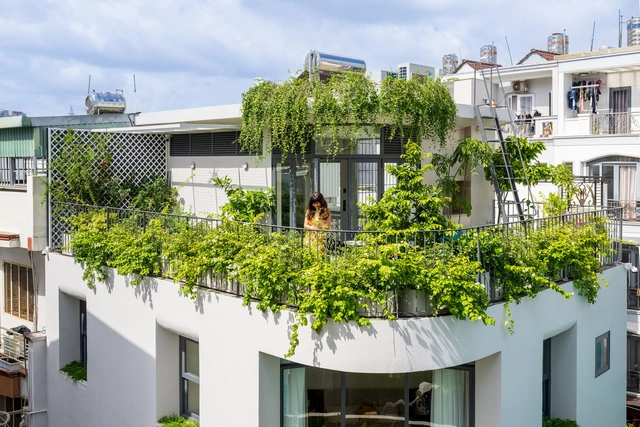
"Feeling at home" is more than just an expression—it is the sense of warmth and comfort that transforms a space into a true refuge. To achieve this, elements like color, texture, lighting, and materials play a crucial role in shaping an environment that fosters relaxation and well-being. Backed by research in environmental psychology and neuroscience, the connection between physical spaces and human behavior highlights how architecture can directly influence the atmosphere, turning chaos into tranquility.


https://www.archdaily.com/1028000/urban-sanctuaries-creating-peaceful-homes-amidst-city-chaosCamilla Ghisleni
Environmental Comfort as an Interior Condition in South American Architecture
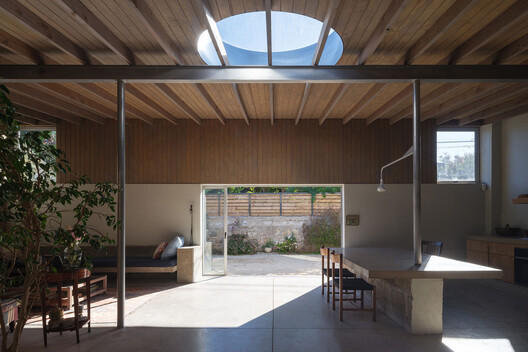
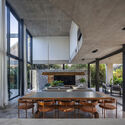
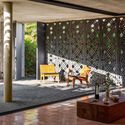
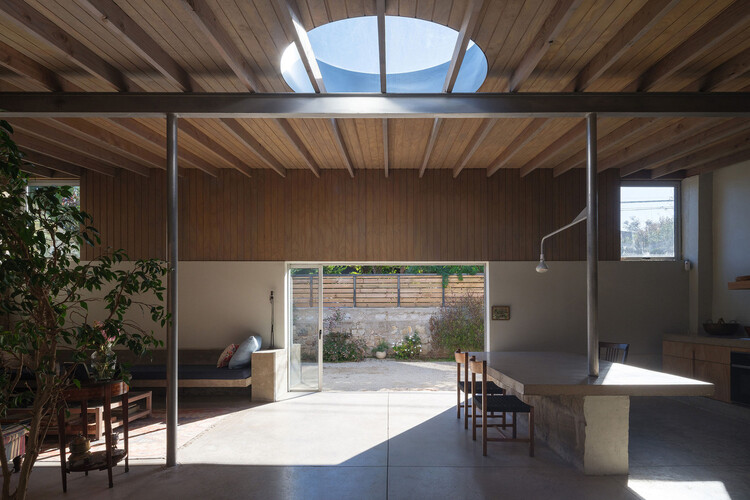
Across South America, environmental comfort is understood not as an interior condition, but as one shaped through space. In regions marked by heat, humidity, intense sunlight, and seasonal variation, architecture has long relied on spatial decisions to moderate climate and support daily life. Comfort emerges from how interiors are opened, shaded, ventilated, and inhabited over time.
Rather than isolating interior spaces from their surroundings, many contemporary projects across the region cultivate comfort through depth, porosity, and intermediate zones. Light is filtered rather than maximized, air is guided through aligned openings and voids, and thresholds become active spaces of use rather than residual edges. These strategies do not seek uniform environmental control, but produce interiors that remain temperate, adaptable, and closely attuned to changing climatic conditions. In this context, environmental comfort becomes inseparable from spatial experience.

https://www.archdaily.com/1038025/environmental-comfort-as-an-interior-condition-in-south-american-architectureDaniela Andino
Framing Life Through Voids and Verandahs: The Architecture of pk_iNCEPTiON
| Sponsored Content

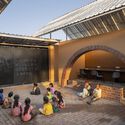
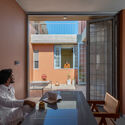
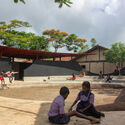
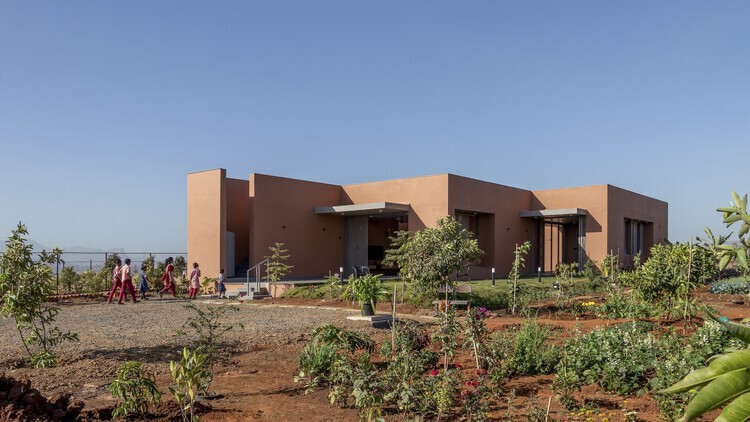
Founded as a practice working across architecture and community-focused projects, pk_iNCEPTiON is based in Maharashtra, India. The studio, one of the winners of the ArchDaily 2025 Next Practices Awards, works on rural schools, houses, libraries, and public buildings, with a focus on spatial organization and adaptability. Operating across varied social and climatic contexts, pk_iNCEPTiON approaches design through careful attention to movement, scale, and the relationship between built form and open space.

https://www.archdaily.com/1038156/framing-life-through-voids-and-verandahs-the-architecture-of-pk-inceptionAnanya Nayak
The Long Table as a Spatial Protocol: Designing Conditions for Gathering and Pause

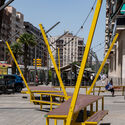
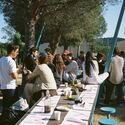
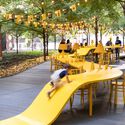
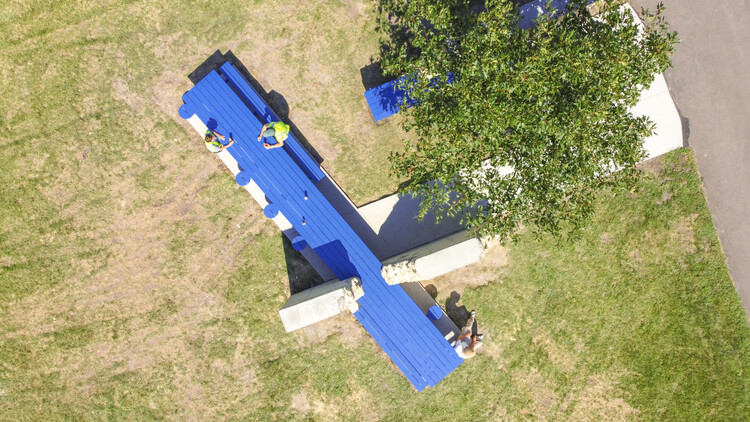
A long table can sit almost anywhere and still do the same work. It can stretch beneath a market canopy, run along a school dining hall, or occupy the center of a shared living room, and it immediately changes the room's temperature.
That is why the long table is less an object than a spatial instrument. It does not guarantee a connection, and it rarely looks "inclusive" by default. Instead, it sets conditions: a shared edge, a common rhythm of arrival, a field of mutual visibility, or a rule that turns eating into a scene with others. Food studies describe this practice as commensality, the act of eating together and the social order it can create, reinforce, or contest. But what matters here is not a specific dimension or the table's function, but the way a long surface holds difference, conversation, and silence; intimacy and distance; the decision to join and the right to hesitate.

https://www.archdaily.com/1037477/the-long-table-as-a-spatial-protocol-designing-conditions-for-gathering-and-pauseDiogo Borges Ferreira
Inside Contemporary Kazakhstani Architecture: Exploring the Work of NAAW
| Sponsored Content

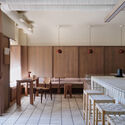
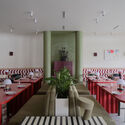
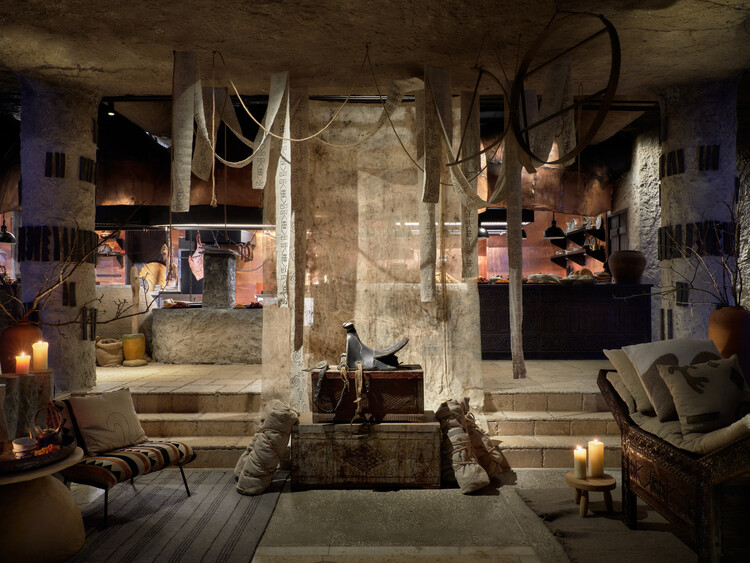
Selected as one of the winners of ArchDaily 2025 Next Practices Awards, NAAW represents a new generation of architectural studios reshaping contemporary practice in Central Asia. Founded in 2019 by Elvira Bakubayeva and Aisulu Uali, the studio operates at the intersection of research, interdisciplinary collaboration, and spatial experimentation, positioning architecture as a tool for reflection and an active agent in shaping contemporary Kazakhstani identity.

https://www.archdaily.com/1038159/inside-contemporary-kazakhstani-architecture-exploring-the-work-of-naawValentina Díaz
How Cities Design Public Life in the Shade

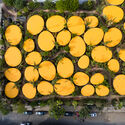
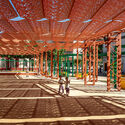
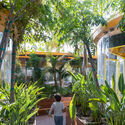
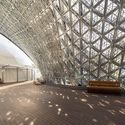
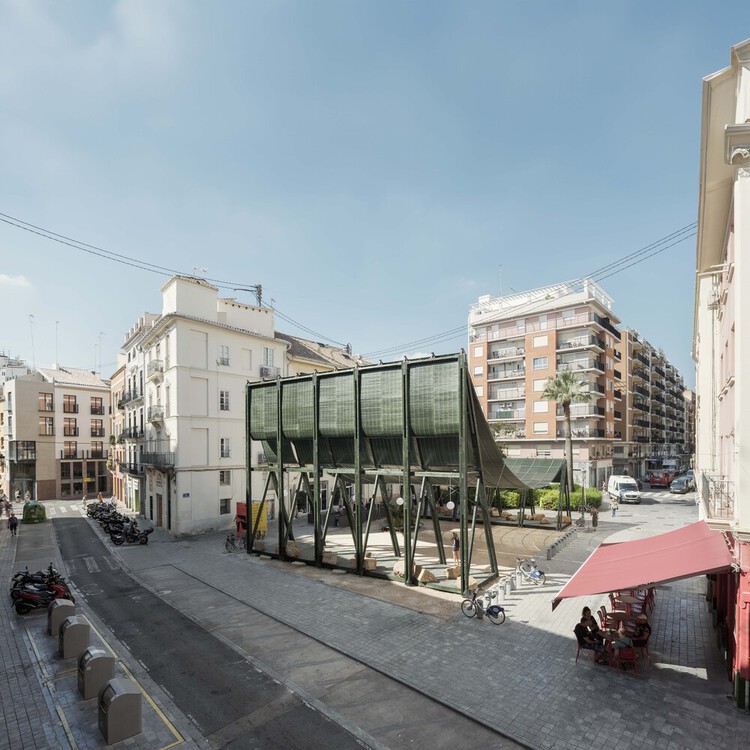
Cities are warming at roughly twice the global rate, a trend accelerated by rapid urbanization. While rising temperatures are reshaping daily life worldwide, some towns and neighborhoods, often the most vulnerable and least resourced, are warming more than others. The reason comes down to the urban environment. Built infrastructure, such as roads, buildings, sidewalks, and public spaces, determines how heat moves through a city, where it accumulates, and how long it remains trapped. No matter the climate zone or geographical location, shade remains the most effective and immediate way to cool pedestrians and relieve the built environment.
https://www.archdaily.com/1038054/how-cities-design-public-life-in-the-shadeOlivia Poston
Forum, Depot, Maze: Toward a Plural Ecology of Museums

This article is part of our new Opinion section, a format for argument-driven essays on critical questions shaping our field.
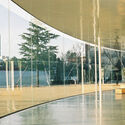
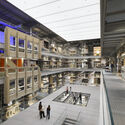
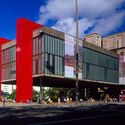
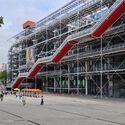
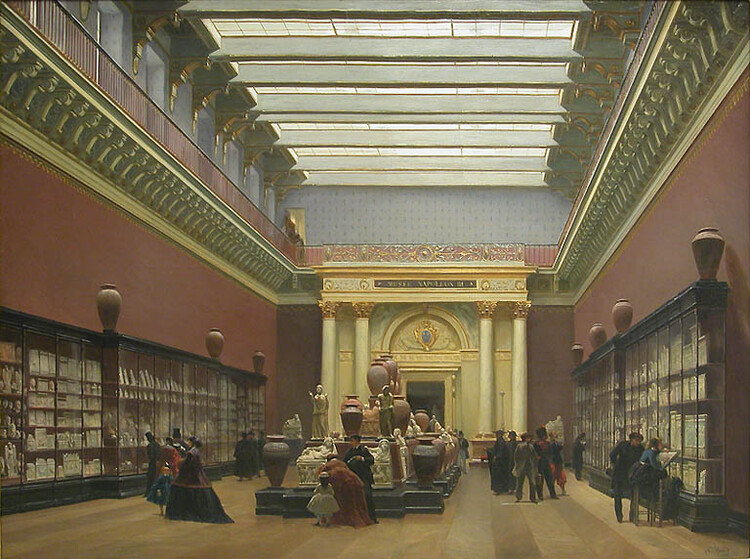
Traditionally, a museum visit is a calendared occasion with a clearly scripted sequence. Arrival is ceremonially marked—by grand stairs or thresholds, by ticketing and information desks, by an audio guide and a concise institutional preface about mission and history. That deliberate "special occasion" quality extends from how museums were long conceived: deliberately exceptional, tightly curated, and organized around a specific narrative arc. In this model, the museum assumes an authoritative voice—its knowledge deep, vetted, and to be respected rather than contested—while architecture and choreography reinforce a rather singular way of entering, learning, and remembering.
https://www.archdaily.com/1037909/forum-depot-maze-toward-a-plural-ecology-of-museumsJonathan Yeung
Experimentation, Learning, and Evolution in Architectural Design: Get to Know WORKac

WORKac is a New York-based firm founded in 2003 by Amale Andraos and Dan Wood. The firm has always believed in "the power of architecture and design to engage in environmental and social concerns, and to create new possibilities for the future." In that sense, the firm's principals define their approach to architecture as a constant evolution. For them, it is a continuous process of learning, questioning, and relearning, which is nurtured through the firm's engagement in local culture, climates, and histories, as well as discourse in the fields of ecology, landscape, and urbanism. In this way, they are able to bring these topics together with a focus on public, cultural, and civic projects that aim to reinvent how people live, work, and experience the world.



https://www.archdaily.com/1038161/experimentation-learning-and-evolution-in-architectural-design-get-to-know-workacMoises Carrasco
The ArchDaily 2026 Building of the Year Awards is Now Open

A new year has begun, and with it, a new edition of the ArchDaily Building of the Year Awards. For 17 years, we have handed over the reins to you, our readers, to choose the best architectural projects of the year, and you have consistently delivered. With a brand new set of over 3,000 projects from around the globe, it is now time to get lost in our projects library and start making your selection.
From a tiny library in rural Myanmar, awarded in the first ever edition of the Building of the Year in 2009, to an innovative waste-to-energy plant in 2025, the winners of the Awards have always been surprising, inspiring and, most importantly, a reflection of the current architectural landscape. Anyone can register for a free ArchDaily account and vote, and we invite you to delve into the catalog of projects published in 2025—all of which are eligible to participate under one or more of the 15 available categories—to choose your favorites.
https://www.archdaily.com/1037980/the-archdaily-2026-building-of-the-year-awardsDaniela Porto
Building with the “Blue Note”: Tension, Deviation, and Structure in Architecture

By operating with only five notes, the pentatonic scale establishes a stable and intuitive musical system in which structural clarity allows for variation without the risk of excessive dissonance. From this consolidated structure, which forms the basis of countless musical styles, especially popular music, the blues introduced a decisive inflection by incorporating additional notes into the scale. Without delving into excessive technicalities, these are subtle tonal deviations, small dissonances often associated with a more melancholic sound, known as blue notes. Played fleetingly rather than as emphatic accents, they briefly tension the system, adding expressiveness and depth while keeping the underlying structure intact.
If in music the blues scale operates through a subtle deviation that "seasons" the underlying structure, a similar principle can be identified in architecture. Although comparisons between different artistic languages are always delicate, it is possible to recognize projects that find their expressive strength not in rupture, but in localized inflections introduced within clear systems, whether of modulation, subtraction, materiality, or typology. Localized displacements and asymmetries function as internal tensions that do not compromise the coherence of the whole, revealing how expressiveness can emerge from controlled deviation rather than from permanent exception.
https://www.archdaily.com/1037895/building-with-the-blue-note-tension-deviation-and-structure-in-architectureEduardo Souza
Active Envelopes: Integrating Solar Energy into Architectural Design
| In Collaboration

When developing an architectural project, there are multiple possible points of departure. Some architects begin with volume, gradually carving form in dialogue with its context. Others start from the longitudinal section, while some organize the project around the functional layout of the plan. There is no right or wrong method, but rather distinct approaches that reflect different ways of thinking about and making architecture. Since the widespread adoption of solar panels and photovoltaic energy, however, a recurring pattern has emerged: these systems are almost always introduced later in the process, framed as technical optimizations or responses to regulatory and energy-efficiency requirements. As a result, they tend to be treated as secondary elements, often relegated to rooftops or less visible areas and detached from the architectural language of the building.
https://www.archdaily.com/1037797/active-envelopes-integrating-solar-energy-into-architectural-designEduardo Souza
From Desert to Forest: 8 Unbuilt Houses Designed as Contemporary Retreats

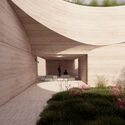
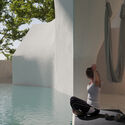
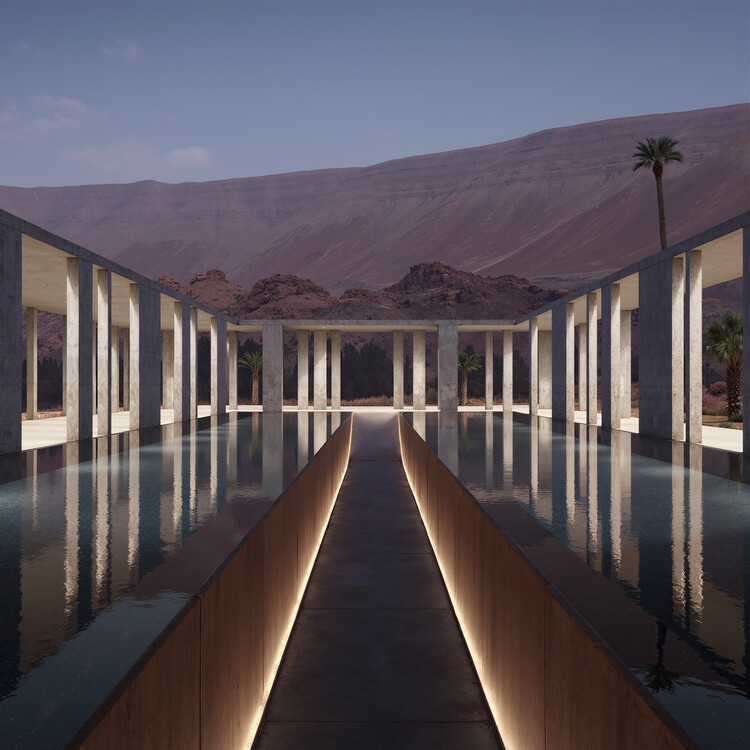
Residential architecture remains one of the most active fields for unbuilt architectural exploration, offering a lens through which architects rethink how domestic space can respond to landscape, climate, and contemporary patterns of living. In this Unbuilt edition, submitted by the ArchDaily community, the selected proposals bring together a range of residential projects that engage with houses, villas, and retreats as sites of withdrawal, mediation, and everyday inhabitation. Rather than treating the home as a fixed or isolated object, these projects approach it as a spatial framework that negotiates exposure, privacy, and connection to place.

https://www.archdaily.com/1038155/from-desert-to-forest-8-unbuilt-houses-designed-as-contemporary-retreatsNour Fakharany
From the Courtyard to the Neighborhood: Latin American Lessons on Collective Placemaking

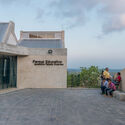
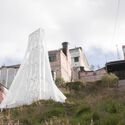
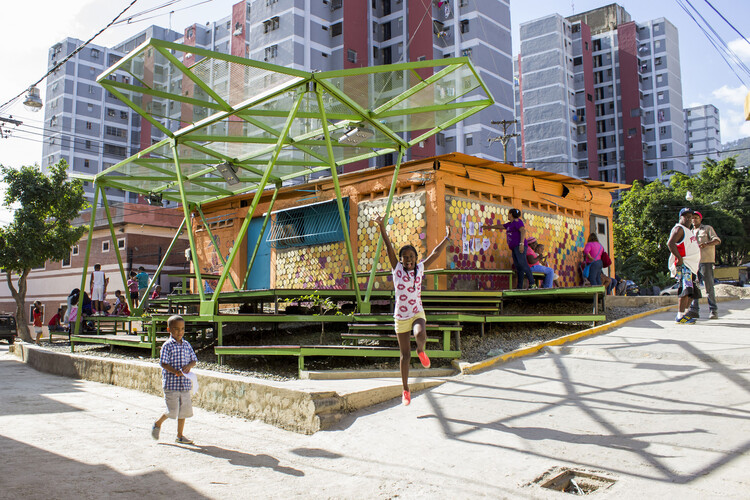
In Latin America, encounters do not necessarily arise from grand architectural gestures or monumental urban plans. They emerge from the in-between, from intermediate spaces: the courtyard, the veranda, the sidewalk, the shared corridor. These areas, often considered residual or informal by the traditional architectural discipline, are precisely where everyday life builds bonds.
From this Latin American culture comes a spatial logic in which daily life is organized in a relational and expansive way. Practices such as sitting at the front door, occupying the sidewalk, and playing in the street produce a lived city that extends beyond the formal limits of design.

https://www.archdaily.com/1037901/from-the-courtyard-to-the-neighborhood-latin-american-lessons-on-collective-placemakingCamilla Ghisleni
Designing for Presence: When Architecture Invites Us to Stay

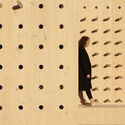
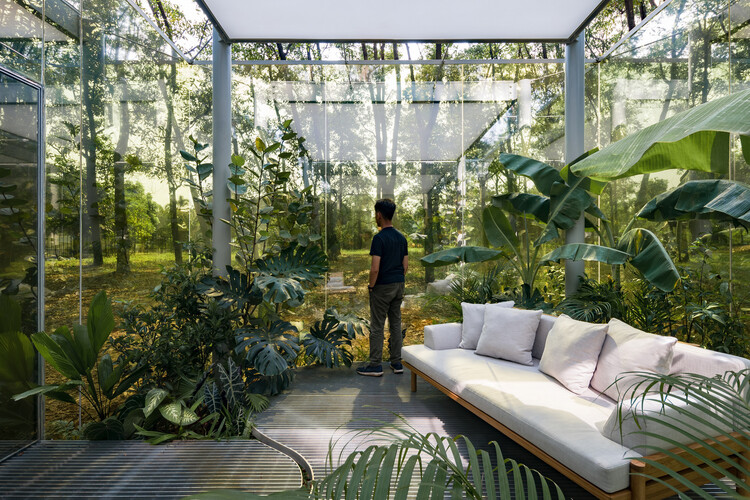
Architecture is increasingly asked to do less, not more. In environments shaped by constant movement, noise, and expectation, spaces that allow people to stay, pause, and be present have become both rarer and more necessary. Many public and semi-public places are designed to keep people moving, consuming, or reacting, leaving little room for lingering, observation, or simply being without a reason.
In response, a growing body of work is shifting attention away from activation and toward presence. Rather than asking users to interact or participate, these spaces create conditions that support staying. Comfort, continuity, and openness allow people to remain without pressure or obligation, making presence a spatial quality rather than an activity.

https://www.archdaily.com/1037865/designing-for-presence-when-architecture-invites-us-to-stayDaniela Andino
Designing With Living Systems: Discover the Works of Yong Ju Lee Architecture
| Sponsored Content

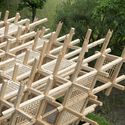
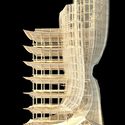
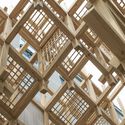
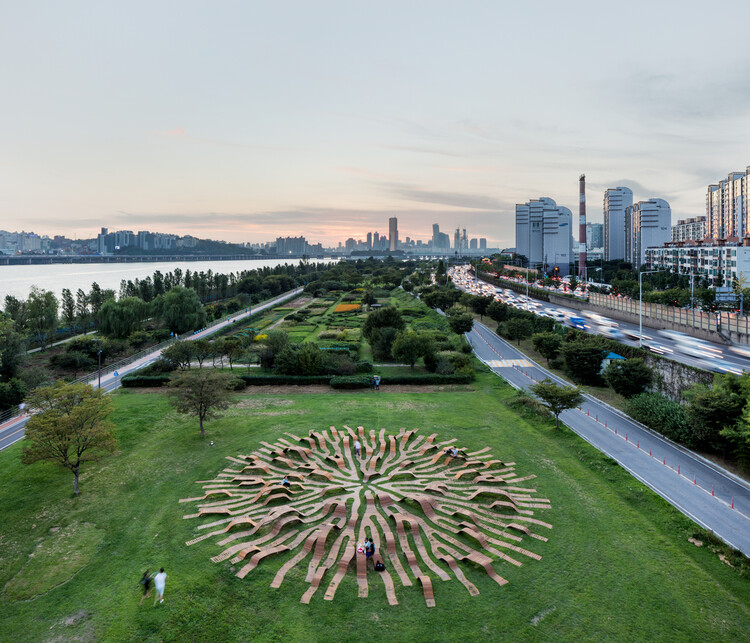
What does it mean to practice ecological responsibility beyond performance metrics or carbon calculations? How can fabrication become a design method rather than a final outcome? Founded in Seoul, Yong Ju Lee Architecture is a practice led by architect and researcher Yong Ju Lee. Across installations, research-driven proposals, and cultural projects, the studio positions architecture as an experimental discipline rooted in making: a process in which design emerges from material behavior, prototyping, and fabrication logic as much as from drawing or representation. Bridging professional practice and academia, his work consistently expands the architectural toolkit through computational design, experimental material research, and an evolving commitment to ecology as a responsibility and a design driver. In 2025, the studio was selected as a winner of the ArchDaily Next Practices Awards.

https://www.archdaily.com/1038009/designing-with-living-systems-discover-the-works-of-yong-ju-lee-architectureOlivia Poston