Transform your vision into a reality and optimize your architectural drawings with Lumion


Transform your vision into a reality and optimize your architectural drawings with Lumion
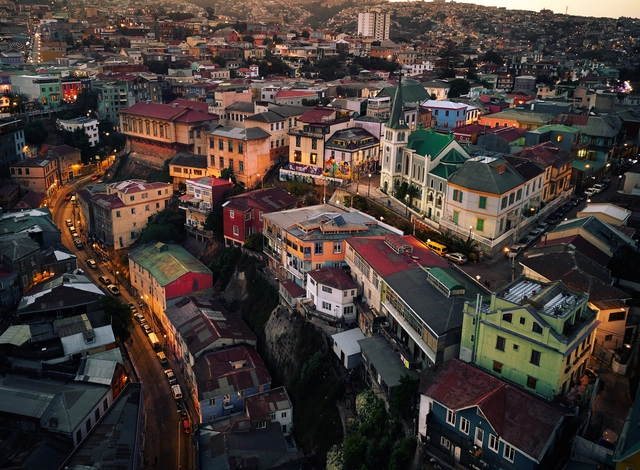
Situated at the foot of 45 hills along the Chilean coast, Valparaíso was a key port in the South Pacific during the 20th century before the construction of the Panama Canal. Thanks to its rapid industrial and commercial growth, the port underwent an urban transformation, attracting thousands of foreigners and cementing its reputation as a bustling South American cosmopolis rich in society, culture, and architecture.
Described by The Guardian as a "Berlin by the seaside", Valparaiso's historic downtown was declared a World Heritage Site by UNESCO in 2003 and the city's cultural and architectural wealth make it a must-see for tourists and architecture aficionados alike.
In this article, we present a guide written by one of the city's many enthusiasts that will give a complete and in-depth look at the port's many treasures. The guide is written as if for a walking tour, starting in Plaza Sotomayor, the city's main square. The route can be divided into two days, with the first part ending at the Palacio Baburizza and the second beginning with the Valparaiso Cultural Park. Take a tip from the experts--if you get lost, don't trust an app to find your way. Ask a local!
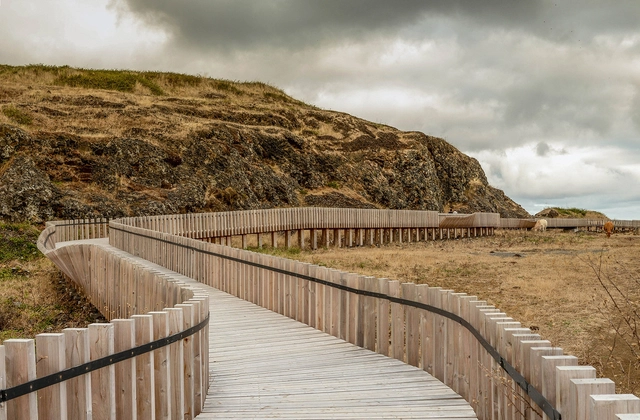
Modern Portuguese architecture has a renowned tradition of exploring the virtues of the landscape, either by integrating or emphasizing the natural elements to create new landscapes that result from the overlapping of culture and nature. Some fine examples are the Boa Nova Tea House and the Leça da Palmeira Tide Pools, both designed by Álvaro Siza, reacting to the rocky seascape where they lie, each in its own way.
However, it is not just Modern Architecture that is concerned with the landscape. In Portugal, contemporary works have been revealing exciting examples of the possibilities of approaching the natural environment, exploring its potential without compromising its integrity. To illustrate this, we have gathered 12 contemporary projects that use different resources to explore the relationship between natural and built.
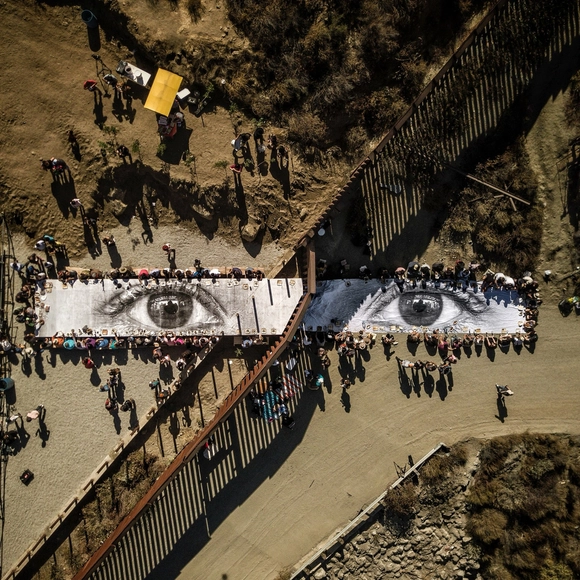
The world's population is expected to reach 9.7 billion in 2050, an increase of 2 billion persons in the next 30 years.
As the world's population continues to increase, new challenges are expected to arise in addition to the aggravating issues already faced today. How will we live together? The theme of the Venice Biennale of Architecture, postponed to 2021, intends to instigate discussions and proposals concerning the role of architecture in times of increasing political differences, intolerance, and growing economic inequality.

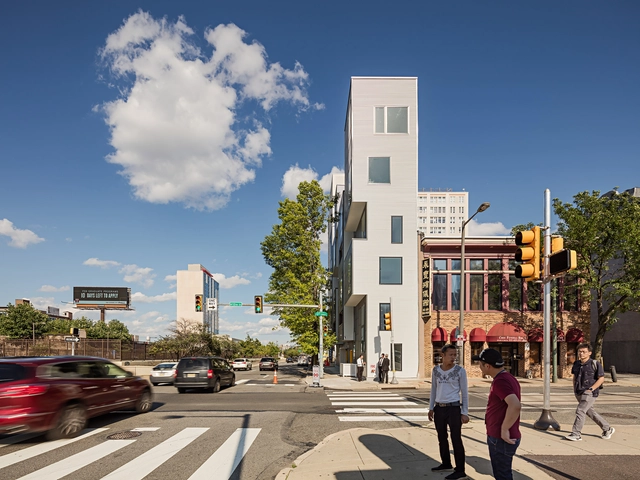
In all cities around the world, there are some forms of residual space, forgotten pieces of the urban fabric, remnants of overlapping layers of past development. This land whose conditions make it unsuitable for most types of conventional construction might be a fertile ground for architectural invention. Assigning a new value to vacant corner lots, dead-end alleys and strangely shaped plots opens up a new field of opportunities for inward urban development, expanding available living space and increasing amenities in densely populated cities. The following explores the potential for experiment and urban activation held by urban leftover space.
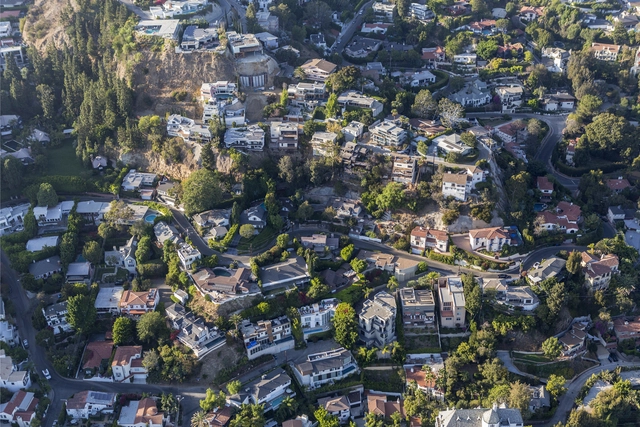
This article was originally published on Common Edge.
The most arresting image, among many, in the documentary Laurel Canyon: A Place in Time, directed by Alison Ellwood, is a black-and-white photograph of Eric Clapton visiting Los Angeles for the first time on tour with Cream. He sits a few feet from Joni Mitchell, who is playing guitar, with a visibly stoned David Crosby in the background on the backyard lawn of Cass Elliot’s house. Clapton observes Mitchell with such a smoldering intensity you think he’s going to blow an amp. He is transfixed by Mitchell not because she was striking—and she was—but because of her musicianship.

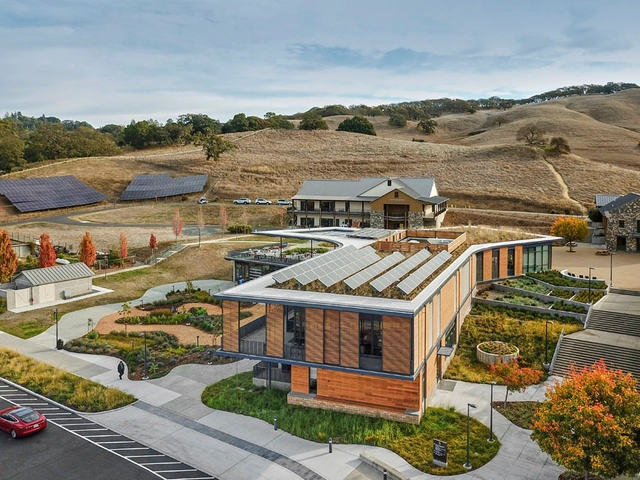
In the wake of the pandemic, designers and architects are rethinking and inventing innovative solutions for nearly every sector of design from hospitality, restaurants, workplace experience, and landscape architecture. According to the World Health Organization, 19 percent of factors that affect our health and well-being are directly related to the built environment, making architects and designers key to protecting public health.

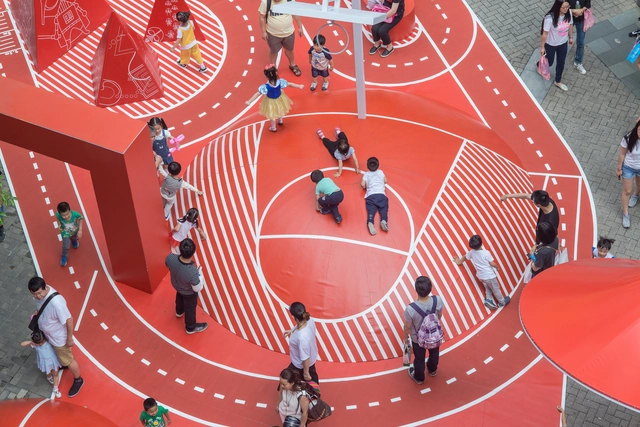
Since the 1990s, copious amounts of cities in China have been undergoing urban renewal. Prompted by this state-facilitated urban redevelopment, skyscrapers are being built rapidly in major cities to attract affluent middle-classes, resulting in countless relocation and displacement of the working-class population. Such process is known as “gentrification”.
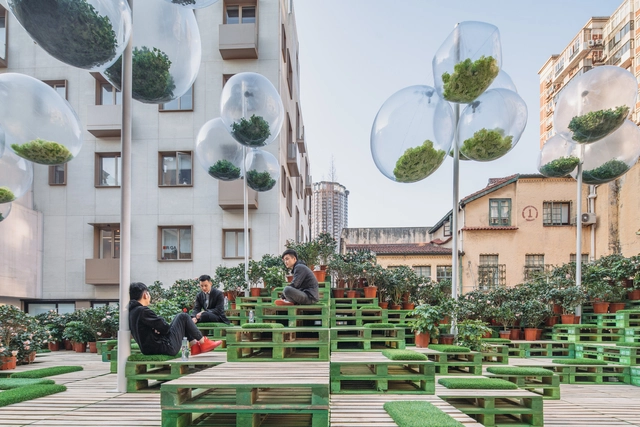
As cities and neighborhoods are being gentrified thoroughly to meet middle-class taste and boost economic growth, urban land resources are being treated in ways to increase business potential, leaving little room for the development of urban street life. Among rows of concrete and steel constructions, nowadays, urbanites are struggling to find a place to sit, rest, and play during leisure time. Analyzing five architectural practices creating livable urban public spaces, this article discusses the challenges and opportunities of urban revitalization in China under the phenomenon of gentrification.
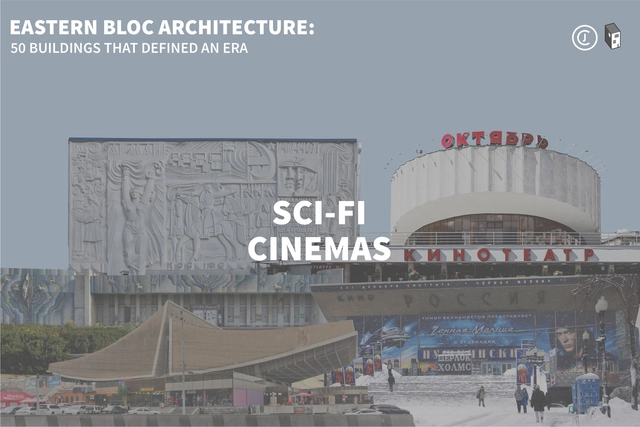
This article is part of "Eastern Bloc Architecture: 50 Buildings that Defined an Era", a collaborative series by The Calvert Journal and ArchDaily highlighting iconic architecture that had shaped the Eastern world. Every week both publications will be releasing a listing rounding up five Eastern Bloc projects of certain typology. Read on for your weekly dose: Cinemas.
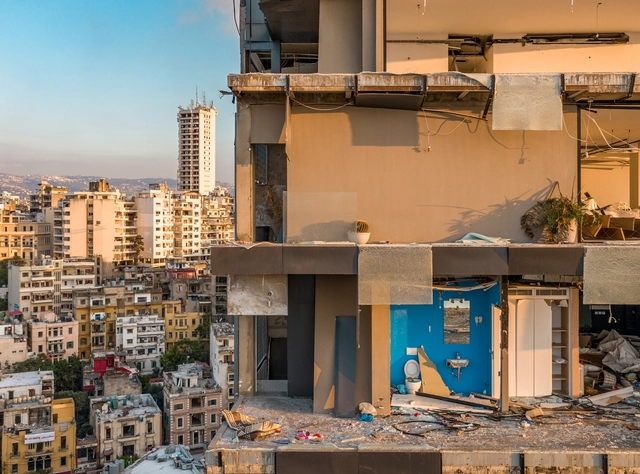
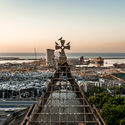
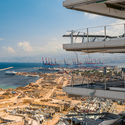
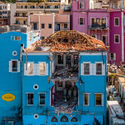
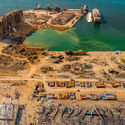
It only took a couple of seconds to destroy 40% of the city of Beirut on August 4th, 2020. A couple of trivial seconds were enough to determine the fate of the urban and social fabric of the Lebanese capital and its architectural heritage. Years and years of accumulated cultural assets fell instantly in distress, causing more harm than the infamous 15-year civil war. These seconds have erased the past, present, and destroyed future aspirations.
Hit right in its rich cultural center, the blast of the port shook the northeastern side of the Lebanese capital, leaving the neighborhoods of Mdawar, Rmeil, Gemmayze, Achrafieh, Mar Mkhayel, Karantina, and Geitawi, severely hurt. According to the UN Development Programme (UNDP), 200,000 housing units were affected by the explosions, with an estimated 40,000 buildings damaged, of which 3,000 were severely damaged.

The Bachelor in Architectural Studies thesis projects at the IE School of Architecture and Design are exciting displays following students' years of study, exploration and hard work. This year, the students produced creative, surprising and theoretically-sound solutions to architectural problems - primarily based in the Spanish city of Valencia.
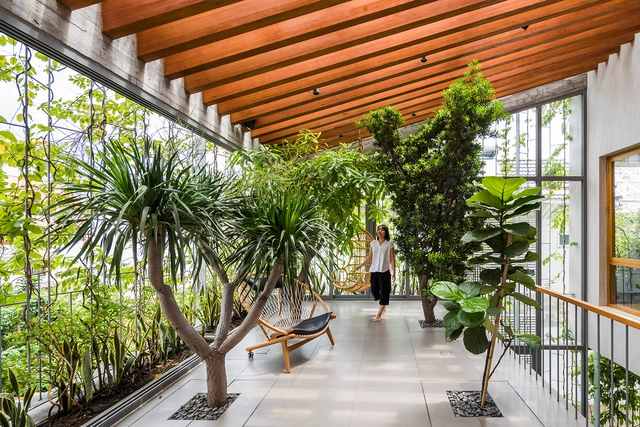
Interior design begins with human experience. Considering the physical, mental, and emotional needs of people, interior designers use human-centered approaches to address how we live today. Creating novel approaches to promoting health, safety, and welfare, contemporary interiors are increasingly inspired by biophilia as a holistic approach to design.
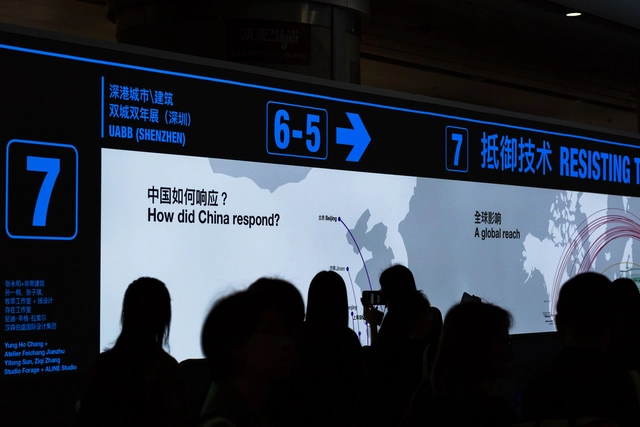
For the 2019 Shenzhen Biennale of Urbanism\Architecture (UABB), titled "Urban Interactions," (21 December 2019-8 March 2020) ArchDaily has been working with the curators of the "Eyes of the City" section to stimulate a discussion on how new technologies might impact architecture and urban life. The contribution below is part of a series of scientific essays selected through the “Eyes of the City” call for papers, launched in preparation of the exhibitions: international scholars were asked to send their reflection in reaction to the statement by the curators Carlo Ratti Associati, Politecnico di Torino and SCUT, which you can read here.
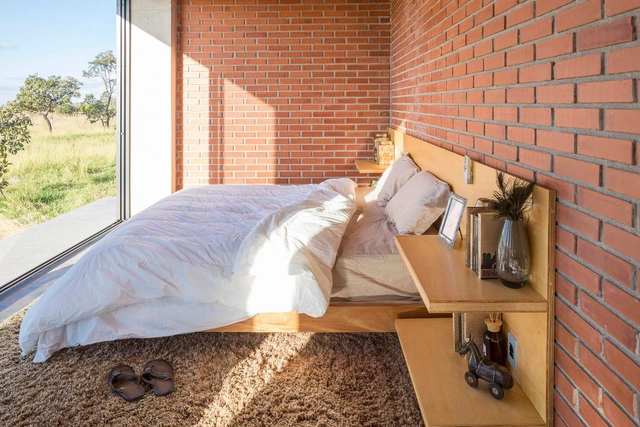
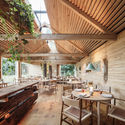
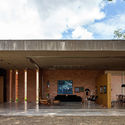
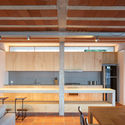
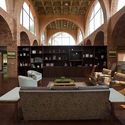
Keeping the materials in their natural and raw form in the projects seems to be more and more popular in contemporary architecture. The modern style legacy of keeping the construction elements visible not only establishes a frank relationship between the user and the built environment but also allows for a more diverse material palette and can be a very important tool when designing interiors. Brick is perhaps the most popular material in this context. Nowadays, people use the term exposed brick "finishing", which gives the concept of exposed materials a whole new meaning, namely ornamental, sometimes even replicated as wallpaper or merely decorative tiles.
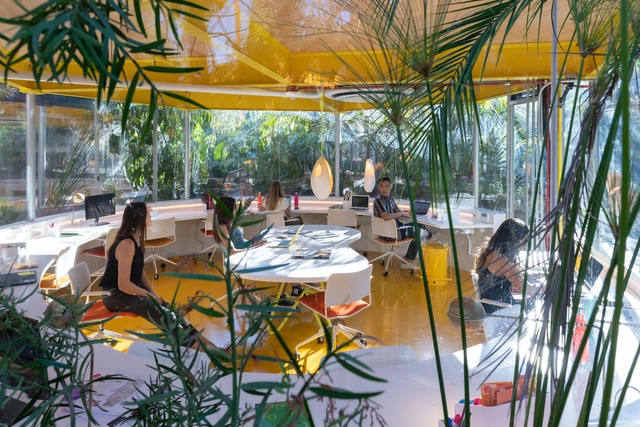
With society's needs and aspirations shifting, spatial typologies and architectural programs are continually being questioned, and this re-evaluation creates the premises for innovation. The following is an exploration of how architecture is metabolizing society's fundamental changes throughout several aspects of everyday life, challenging the existing assumptions regarding program and space.
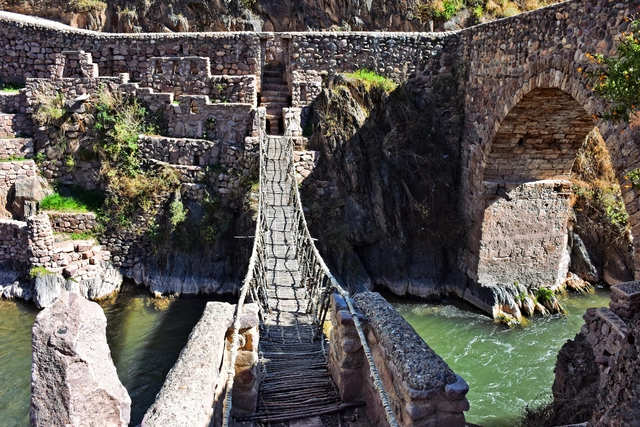
This article was originally published on Common Edge.
There is nothing like a crisis to bring people together. After Hurricane Katrina, more than 9,000 citizens participated in the development of the Unified New Orleans Plan that our firm Concordia coordinated in collaboration with 12 other planning teams. Now we’re working with another stellar group on a project called LA Safe, with the goal of creating a plan for residents of south Louisiana who will be among the first to experience the devastating impacts of sea-level rise.
Due to population growth and an increase in urban density and real estate prices, architects and urban planners have been pursuing alternatives for new spatial configurations for settling and housing in the cities. The multiplication of shared housing and workspaces is an example of how the field of architecture is adapting to new ways of living in society.

Perhaps the most arduous part of every aspiring architect’s career is the built-up doom and gloom that surrounds the process of mentally preparing, and actually taking, the Architect Registration Exam- also known as the ARE. What ideally should be more of a process that tests real-world application and knowledge about the practice itself, has slowly evolved into a mentally exhausting challenge of sourcing highly specific information just to survive each exam. The only thing harder than studying for the exams themselves, is navigating the increasingly saturated array of online practice tests, advice forums, one-off study guides, and rogue tips that seem to shroud the six-part quest for licensure in more mystery than provide any sort of clarity or guidance.
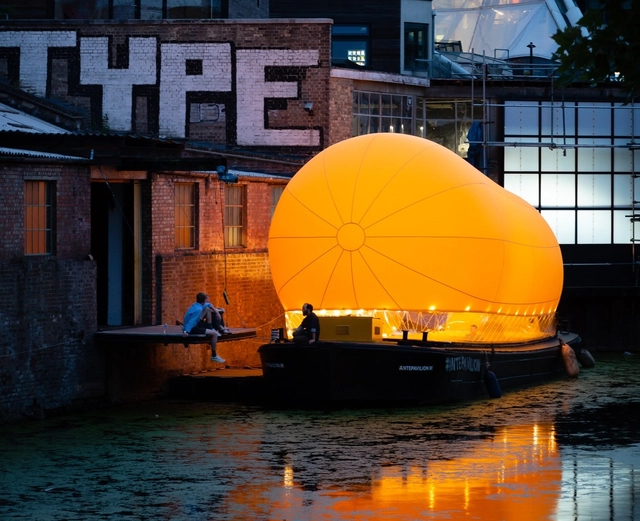
Architecture is defined by its permanence. While the discipline's most celebrated works are often those that were built to last, there's inherent beauty and value in an architecture of impermanence. Moving beyond conventional buildings and considering environmental and social impacts, temporary structures hold the potential to push the boundaries of architecture and the categorization of art.
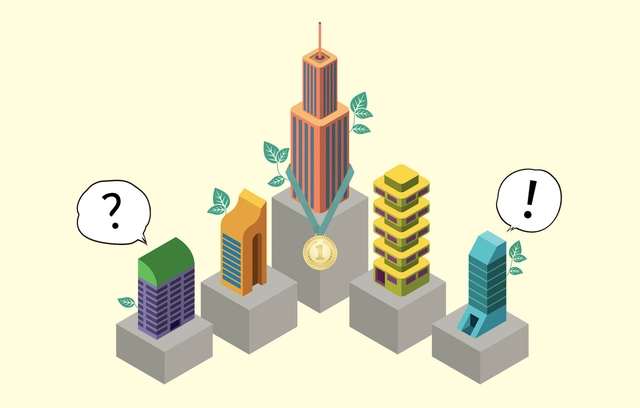
The Brundtland Report, 1987 - "Our Common Future" - introduced the notion that the sustainable use of natural resources must "meet the needs of the present generation without affecting the ability of future generations to meet theirs." Since then, the term sustainability has been popularized and, often, trivialized in our daily lives. In the construction industry, this is no different. As much as we know that to build, we need to destroy, how is it possible to mitigate the effects of construction during the useful life and demolition of buildings? A sustainable building, in its design, construction, and operation, must reduce or eliminate negative effects overall and may even generate net positive impacts on the climate and environment – preserving resources and improving the quality of life of the occupants simultaneously. To say that a building is sustainable is easy and even seductive. But what exactly makes sustainable construction?
Answering this question is not a simple exercise. That is why, in the last 30 years, several building sustainability certifications have been created. Through outsourced and impartial evaluations from different sources, they aim to verify the sustainable aspects of any construction. Each of them addresses particular building elements and is typically focused on certain regions of the world. While there are some certifications that verify whether the building meets certain efficiency criteria, others create different classifications, assigning a score based on these evaluations. Below, we list some of the primary sustainability certifications around the world – ranked alphabetically – and include their main architectural applications alongside a brief explanation:
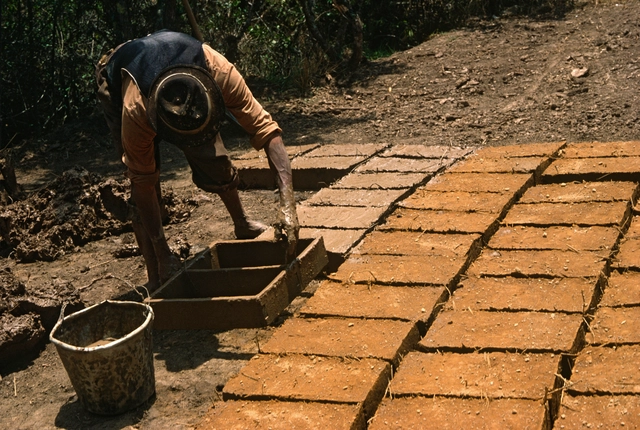
When building for a more sustainable world, the materials you choose undoubtedly play the biggest part in minimizing your project's carbon footprint. Building a wall out of plastic bottles, for example, prevents them from adding to the hoard in a landfill. However, there is a material used for centuries throughout the world that tops all the rest when it comes to sustainability: adobe.
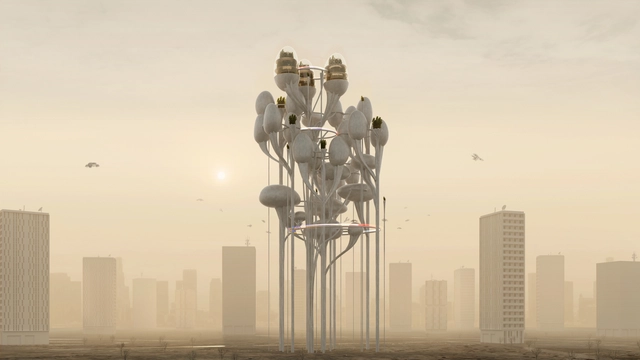
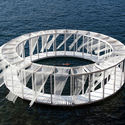
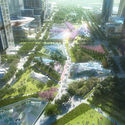
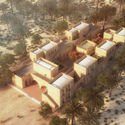
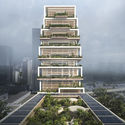
Putting together competition entries from all around the world, this week’s curated feature for Best Unbuilt Architecture showcases inspiring approaches and concepts. Submitted by our readers, the selection highlights uncommon proposals, part of international contests. While some are winning projects, others received honorable mentions.
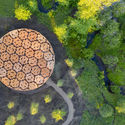
Serie imagines stacked timber pavilion-like offices, Schlaich Bergermann Partner, LAVA, and Latz + Partner design new pedestrian and cycle bridge over the Neckar River in Heidelberg, Germany and Aidia Studio create an Oculus in the Emirati desert. Other competition entries include a landscaped avenue by ZXD Architects in Hangzhou, a community school in Egypt by Hand Over, a winning pavilion for the Singapore’s Archifest 2020 by ADDP Architects and OWIU Design Studio; and a Baha’i House of Worship by SpaceMatters in India.









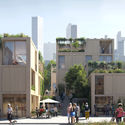
.jpg?1598465204 "proposal for a self-sufficient community. Image Courtesy of Guallart Architects")
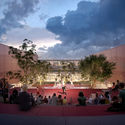
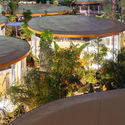


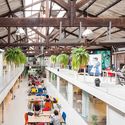
.jpg?1598379881 "Three Generation House / BETA office for architecture and the city. Image: © Ossip van Duivenbode")