


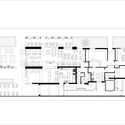


When it comes to designing commercial gastromic spaces, aspects like space efficiency, equipment distribution, materials, and organization are essential when considering the users' experience within the space.


When it comes to designing commercial gastromic spaces, aspects like space efficiency, equipment distribution, materials, and organization are essential when considering the users' experience within the space.
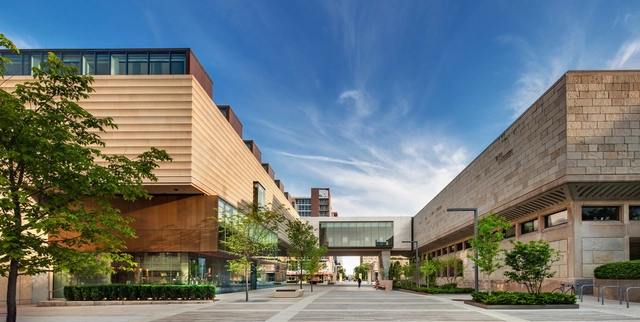
This article was originally published on Common Edge.
In 2005, while I was an architecture student at Columbia, visions of Bilbao danced through my classmates’ heads as they flocked to an architecture studio whose brief was to design an all-new Guggenheim Museum on Governors Island. I will admit that the prospect of exhibiting a spectacle for Columbia’s end-of-year show was seductive. But conducting field research for that class required only subway and ferry rides, while a studio offering in the historic preservation program promised a trip to Rome. I passed on creating another paper icon for New York and traveled to the Esposizione Universale Roma for one week that fall.

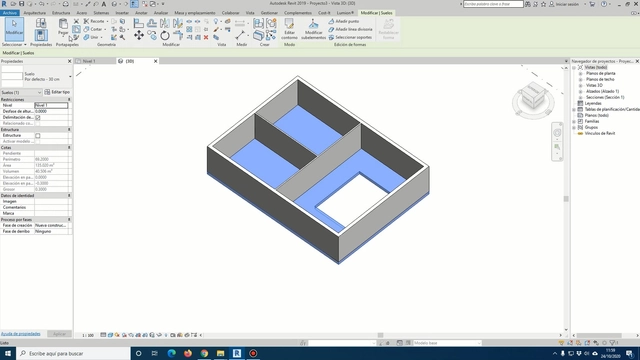
Floors, roofs, ceilings. Speaking in a very generic way, they are practically all the horizontal elements that we can find in the construction of a building. These three parts have a very similar way of modeling in Revit and this is the reason why when learning this software, they almost always appear one after the other. The order is usually a rather logical and therefore similar order: starting first with the floors, later the soffits and, finally, the ceilings. All this, clearly after having modeled the exterior and interior walls of our building.
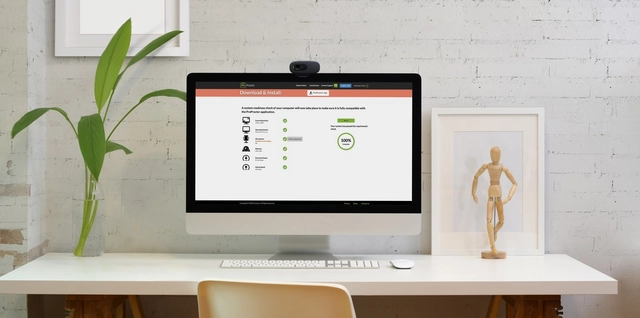
For most emerging professionals, passing the Architect Registration Examination (ARE) is the final step to earning a license. Unfortunately, thousands have had to delay their career goals amid the coronavirus pandemic. Since March of this year, fewer than 1,500 licensure candidates have completed the ARE—a 45% drop compared to the same time-frame in 2019. But starting December 14, candidates will have the flexibility to take the ARE online, at Prometric centers as they do today, or a combination of both options.
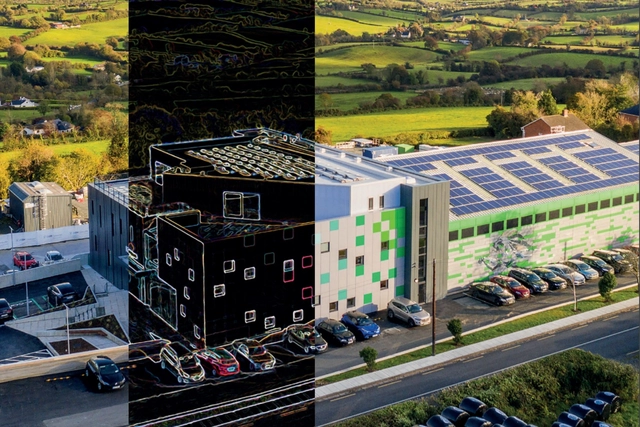
Over the past decade, Building Information Modeling (BIM) has been widely adopted and become integrated to varying degrees into every aspect of the design, construction, and maintenance of buildings. But this isn’t where BIM stops, the future of BIM incorporates altered/virtual reality (AR/VR) and has the potential to go as far as automated and intelligent lifecycle management of assets. The concept of creating a “digital twin” to a physical building or system with the aim of making that real-world entity safer, more efficient, and more resilient begins by making our way towards fully-integrated BIM.
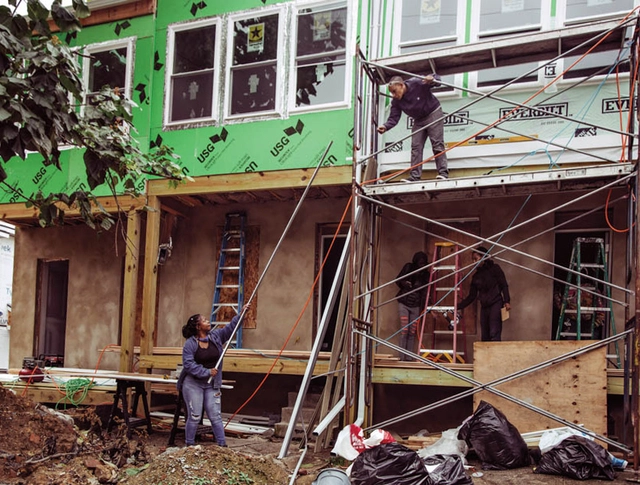
Newly built houses, with their sizable carbon footprints, don’t just contribute to climate change. For many Americans, they’re also too expensive—a bitter irony in cities rife with vacant buildings and record evictions.
Given the urgency of both issues, projects that retrofit livable housing into existing low-carbon shells (the initial embodied carbon was spent long ago) might be worth a closer look. We searched for them and came across a handful that promise a cure for housing insecurity and excessive greenhouse gas emissions.

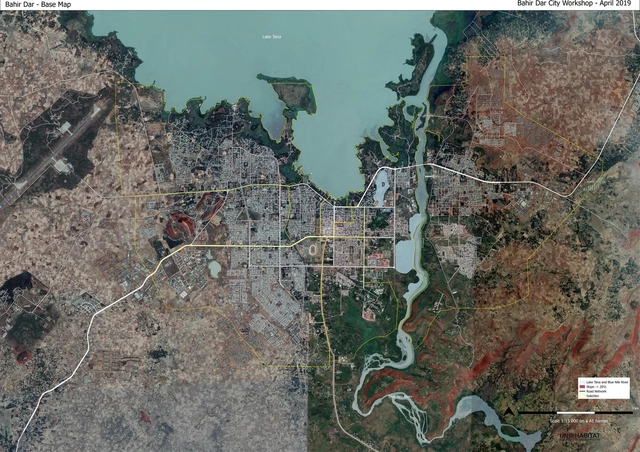
The Un-Habitat or the United Nations agency for human settlements and sustainable urban development, whose primary focus is to deal with the challenges of rapid urbanization, has been developing innovative approaches in the urban design field, centered on the active participation of the community. ArchDaily has teamed up with UN-Habitat to bring you weekly news, article, and interviews that highlight this work, with content straight from the source, developed by our editors.
In order to support local governments in developing countries to implement the New Urban Agenda and the Sustainable Development Goals, UN-Habitat has created the Participatory Incremental Urban Planning Toolbox, “a step-by-step methodology to assess, design, operationalize and implement urban planning processes”. The guideline proposes a timeline of phases, blocks, and activities, helping city leaders, stakeholders, and the community to have a comprehensive and strategic overview of the whole strategy.

It’s been nine months since the world stopped spinning, only to restart at a different rhythm. And although we’d spotted this new style of work approaching on the horizon, we still weren’t prepared for it. In a blink of an eye, our work environments and lives were reduced to a screen and a keyboard. We were forced to go virtual.
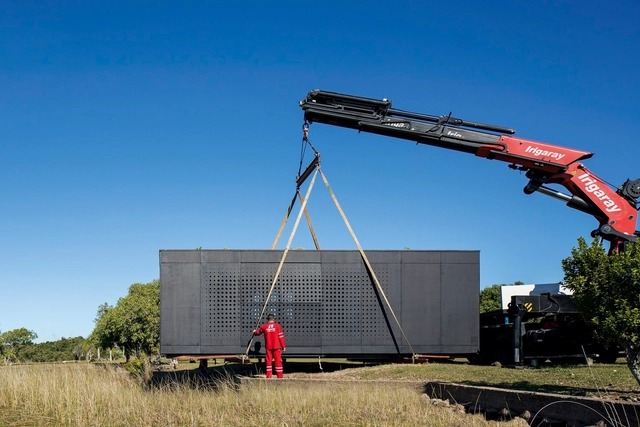
The construction industry moves a huge amount of resources, employs millions of people, and is a fairly accurate gauge for the economic situation of different countries. If the economy goes down, construction shrinks, and vice versa. Members of the construction industry include mining companies, contractors, material manufacturers, architects, engineers, governments, real estate, and more. In other words, many agents participate either directly and indirectly in the industry. But construction is also considered to be one of the most backward and resistant industries to embrace new technologies, instead opting to replicate traditional ways of doing less efficient work with high rates of waste. A study by McKinsey & Company showed that, unlike other industries, industry productivity has remained stable in construction in recent years, despite all the technological progress that has occurred.
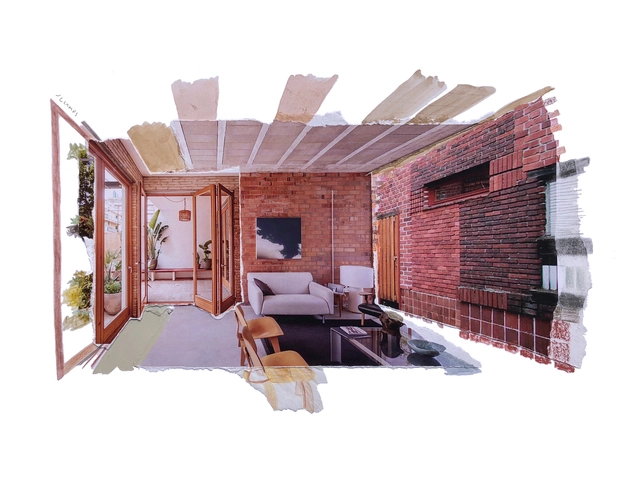
Silvia Garcia Camps has presented a series of collages of renowned works of architecture to show that, nothing is ever really invented, it's simply borrowed and mixed. In this article, we highlight her presentation.
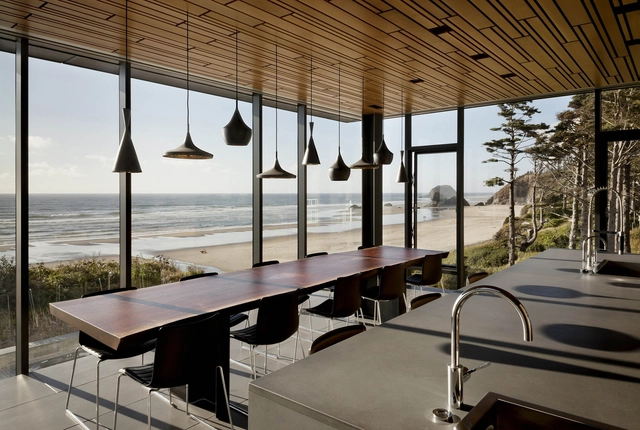
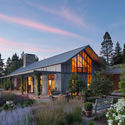
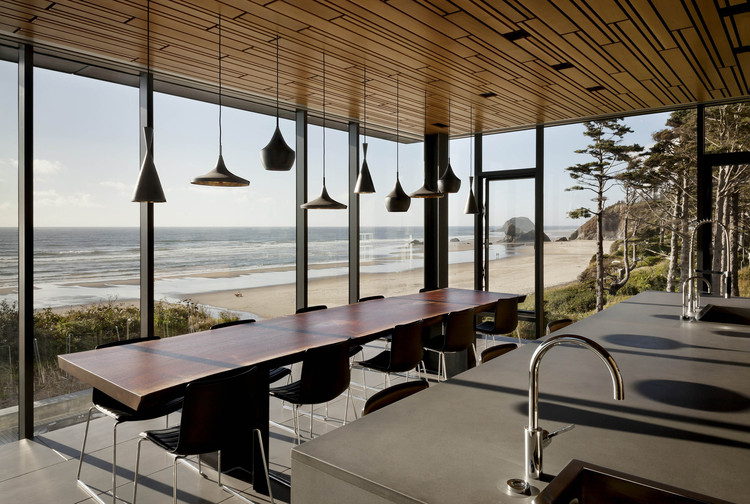
Oregon holds some the most varied geography and private developments in the United States. Home to diverse landscapes and architecture, the state is defined by the Cascade mountain range, windswept coastlines, dense forests, and a high desert environment to the east. These varied geographies have shaped the state’s construction techniques and residential design. At the heart of these building efforts are timber and glass homes found throughout the state.
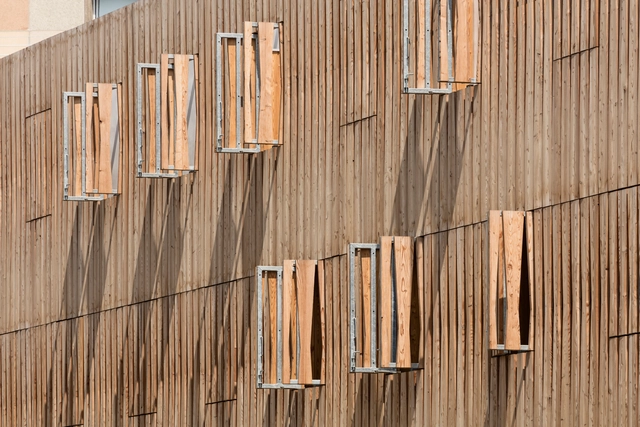
In recent years, we have published many articles about wood. Addressing trends of use, possibilities for log wood, panels, curves, and finishes, innovations in tall building structures, and wood's behavior towards fire, these articles have explicated a wide variety of the material's applications and characteristics. A specific type of wood, Cross Laminated Timber (CLT), has emerged as highly structurally efficient with thermal, seismic, and even sensory benefits, described by specialists as the concrete of the future. But when we post these articles on social media, we frequently encounter comments from our readers concerned about the impact of deforestation. Although we may see wood as a great building material of the future, we must ask ourselves: is it possible to continue cutting down trees and using their wood while still calling it sustainable?
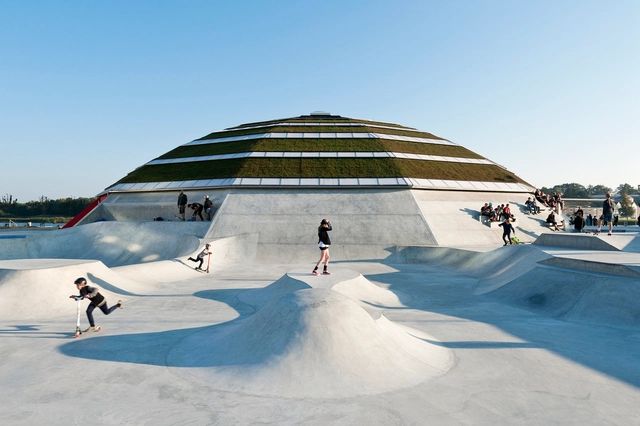
Skateboarding is often associated with the use of public spaces such as streets, squares, and sidewalks and has become a sport that blends into everyday life in the cities. Although skateboarding is sometimes considered marginalized, because of the dispute over public spaces, it allows underused places such as areas under or near overpasses to be revamped for practicing sports. Many sports centers have been incorporating skate parks into their programs, showcasing very unique designs.
This article was originally published on Common Edge
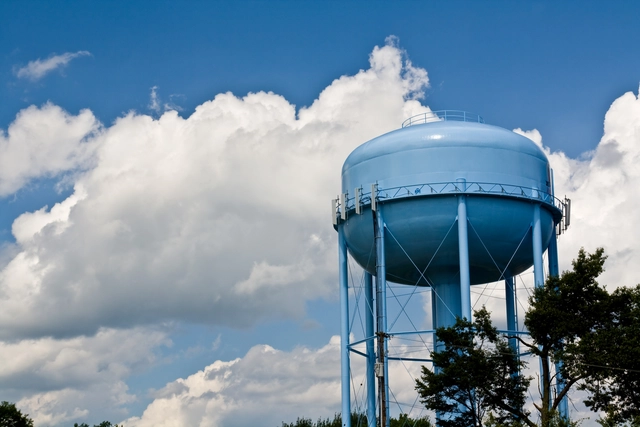
I am a relative newcomer to the Midwest, and of all the things that have captured my enduring attention, one of them is water towers. In my adopted home state, Minnesota, they are everywhere. These top-heavy engineering marvels rise to well over 150 feet tall and assume all manner of shape and metallurgical prowess, from the pedesphere and fluted column structures, colloquially known as the “golf ball-on-a-tee” and “flashlight,” respectively, to the multicolumned spheroid and ellipsoid tanks that, as legend has it, were the targets of frantic gunfire during Orson Welles’ broadcast of “War of the Worlds.” I can attest that when the day’s twilight settles in, those multilegged towers—or, rather, their silhouettes—can appear otherworldly.
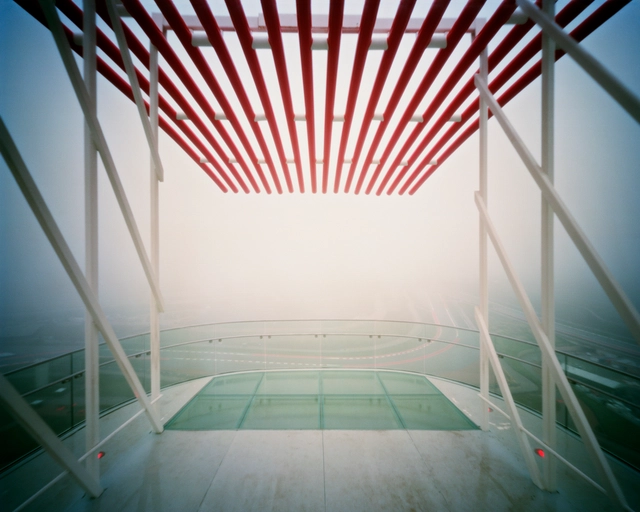
In documenting the body of work of Miró Rivera Architects, Belgian photographer Sebastian Schutyser employs a photographic technique never before used for the presentation of contemporary architecture. The soft, pictorial imagery produced with a pinhole camera perfectly showcases the dialogue between architecture and landscape which underlines the studio’s designs.

The Second Studio (formerly The Midnight Charette) is an explicit podcast about design, architecture, and the everyday. Hosted by Architects David Lee and Marina Bourderonnet, it features different creative professionals in unscripted conversations that allow for thoughtful takes and personal discussions.
A variety of subjects are covered with honesty and humor: some episodes are interviews, while others are tips for fellow designers, reviews of buildings and other projects, or casual explorations of everyday life and design. The Second Studio is also available on iTunes, Spotify, and YouTube.
This week David and Marina answer a hotline text asking for advice regarding attending architecture school during COVID. The two cover choosing to defer and taking a year off from school, aspects of education missing from remote learning, the differences between physical and virtual learning, how to overcome remote learning challenges, and more. Enjoy! Text or call our hotline: 213-222-6950 for any questions.

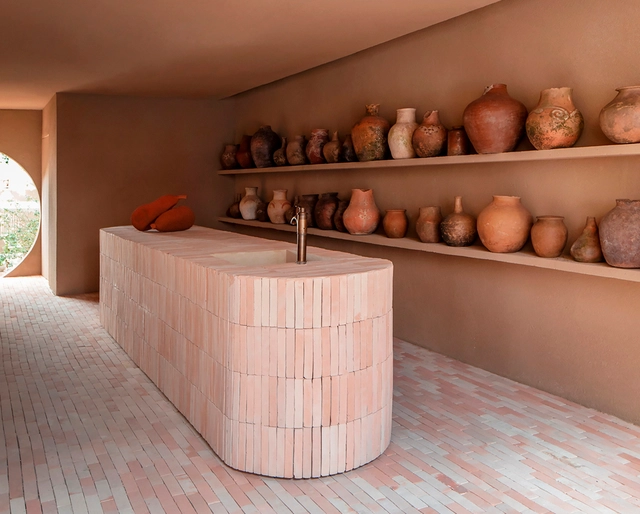
Many architects work in a variety of areas, designing everything from the layout of a city block to the most minute details of a building. A common trend among these projects is that the furnishings, the very things that make a structure usable and livable, are often afterthoughts for the project's creators and only become important when the structure is already built.
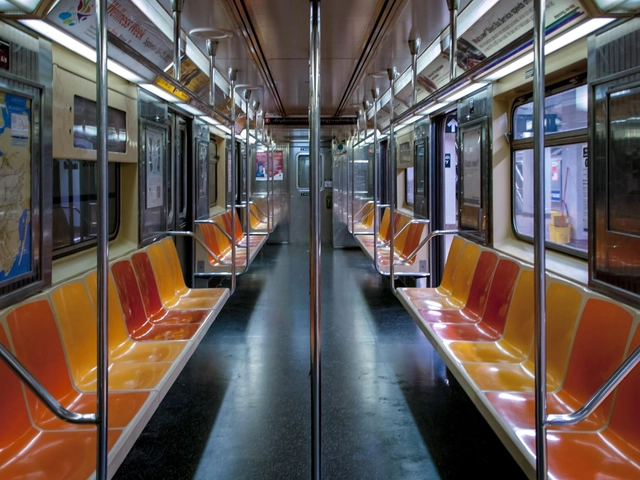
With the promising news of a potential vaccine that could soon return the world to a semi-normal way of life, questions are being raised about what the future of public transit might look like. While some predict that it will be years before we revert back to the muscle memory ways of packing like sardines into crowded subway cars during rush hour commutes, it’s not just about how individuals feel being within close proximity of one another while moving about the city. It has more to do with how our other daily habits, which have been reshaped as a result of the pandemic, might change the overall goals for public transit systems around the globe. What strategies might be implemented to bring ridership back to normal levels and to bring the mobility landscape back to where it once was as society continues to undergo major fundamental shifts?
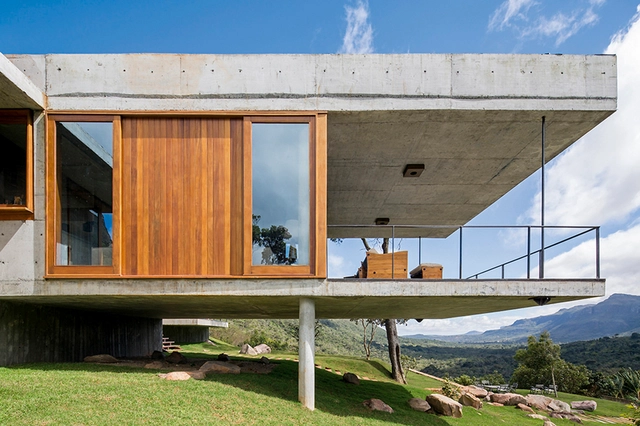
Wood is a material naturally associated with beauty, versatility, and comfort and is used in many different ways in architecture, from flooring to roofing. These qualities also stand out when used in window frames.
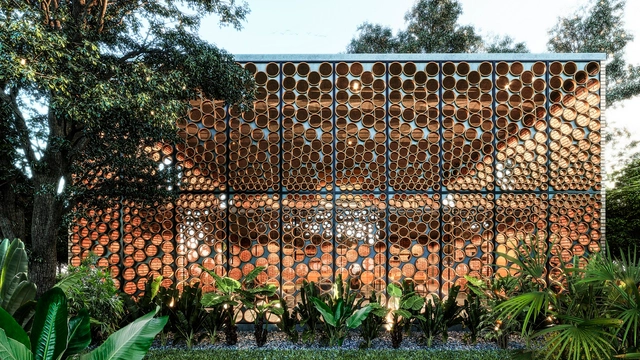
The Master of Advanced Studies ETH Zurich in Architecture and Digital Fabrication (MAS ETH DFAB) is the educational program of the world’s leading interdisciplinary research cluster on digital fabrication and robotics in architecture, the National Centre for Competence in Research (NCCR) Digital Fabrication at ETH Zürich. It is organized by the Chair for Digital Building Technologies and the Chair of Architecture and Digital Fabrication (Gramazio Kohler Research), two pioneering research groups in the field.
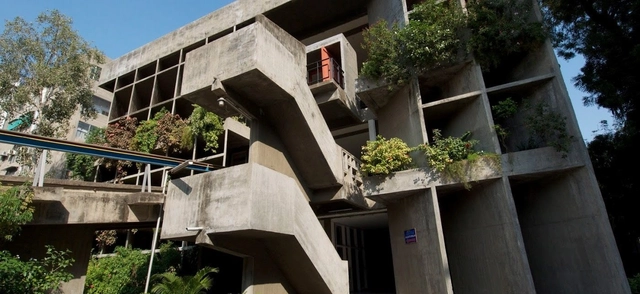
This article was originally published on Common Edge as "The Genius, Heart and Humility of Indian Architect B.V. Doshi"
I’m sitting in a busy suburban coffee-and-donut shop with the quiet, grandfatherly Indian architect, Jitendra Vaidya. When I started my life as an architecture intern in the late 90s, Jitendra was one of the most experienced technical designers I knew. Equally comfortable weighing the relative merits of various flashing details as he is discussing abstract design concepts, Jitendra is an old-school, universal architect. After more than half a century in a profession famous for grinding deadlines, Jitendra still maintains a joyful twinkle in his eye when he talks about architecture. So it’s no surprise that Jitendra is visibly animated today as he tells me about his teacher, the man who was just recognized as one of the world’s greatest living architects, B.V. Doshi.
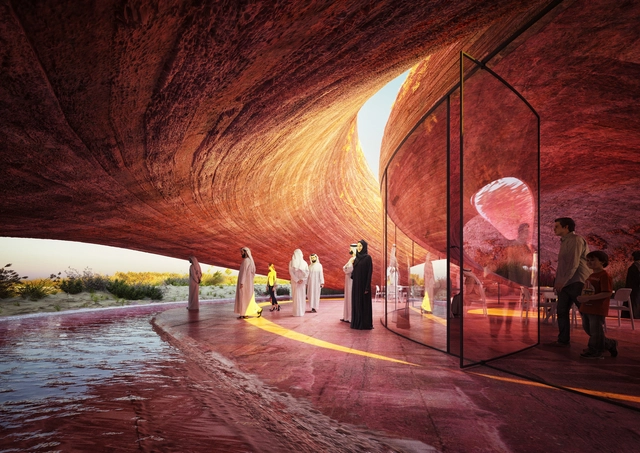
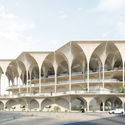
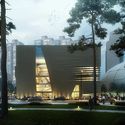
Cultural architecture is defined by shared values and exchange. It centers on humanity, civic life and a story of how societies evolve over time. Whether museums, libraries, visitor centers or monuments, these spaces tell stories about a region, culture and place. This week’s curated selection of the Best Unbuilt Architecture focuses on museums and cultural projects designed in both rural and urban settings. Drawn from all over the world, they represent proposals submitted by our readers.
Trading a diversity of typologies for a range of settings and contexts, these projects showcase many different ways to tell a story of culture. They each showcase diverse taxonomies, formal approaches and spatial organizations, from a tower in Shenzhen to a Mediterranean school in Corsica and an art center in New South Wales, Australia.
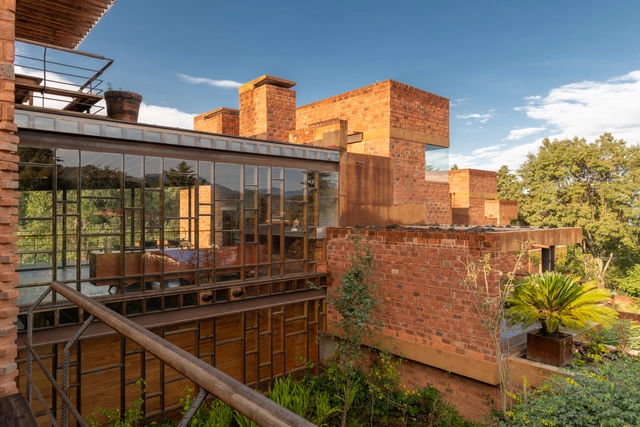
Mexico's Valle de Bravo region, to the southeast of Mexico City, is characterized by the Presa Miguel Alemán lake, created in 1947 as a reservoir for Mexico City and Toluca's water supply. Thanks to its proximity to the capital, Valle de Bravo is a popular weekend destination for residents of surrounding cities. This in turn has sparked the interest of various architects, who have aimed to create projects that enhance visitors' experience such as offering an optimal view of the lake, or an immersive experience in the surrounding forest.

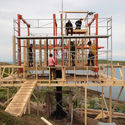
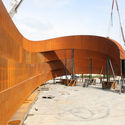


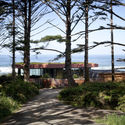



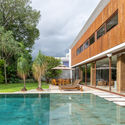
.jpg?1604935737 "House in the Blue Wild / Studio Carlito e Renata Pascucci. Image © Monica Antunes")
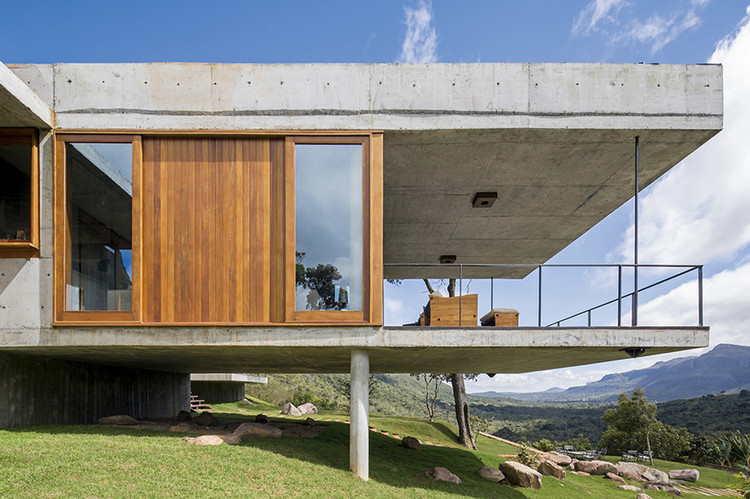



.jpg?1597763267 "Terreno House / Fernanda Canales. Image © Jaime Navarro")
.jpg?1597763791 "m House / saavedra arquitectos. Image © Ricardo De La Concha")

.jpg?1597763256 "CRA House / Estudio MMX. Image © Rafael Gamo")
