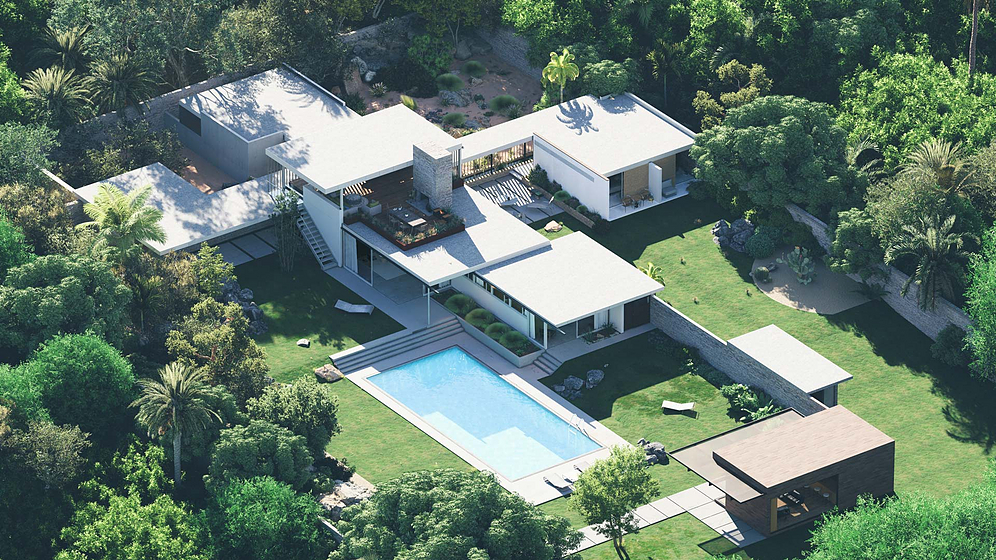
Transform your vision into a reality and optimize your architectural drawings with Lumion


Transform your vision into a reality and optimize your architectural drawings with Lumion
.jpg?1634086433&format=webp&width=640&height=580)
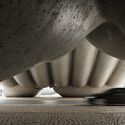
Within the Andes Mountains, the San Pedro Hot Springs is a place to press pause and contemplate, which interrupts a transnational highway between Chile and Argentina. Although these natural pools became a public landmark within the route, they eventually fell over time into a state of abandonment and deterioration as a result of the constant seismic movements in the region.
In response to this situation, Chilean architect Pia Montero sought to highlight the baths for her built-project thesis at the University of Talca in order to consolidate it as a landmark of tourist potential and symbol of the territorial identity of the Maule Region. Moreover, the project is a wake-up call to rediscover and rescue the value of the natural and cultural heritage of the area from the gradual abandonment into which it fell over the years.
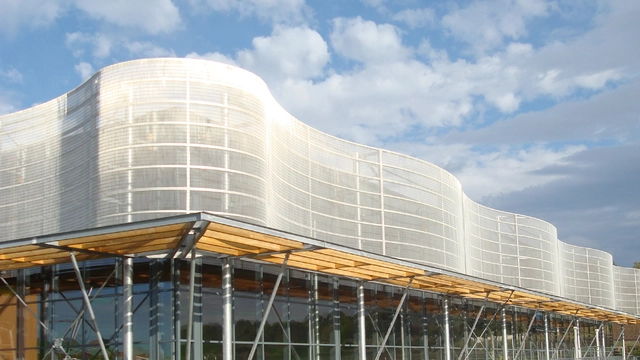
From creating a new parking structure with an awe-inspiring aesthetic to retrofitting an existing building, architectural wire mesh provides versatility and durability which makes it unique from other design material options.
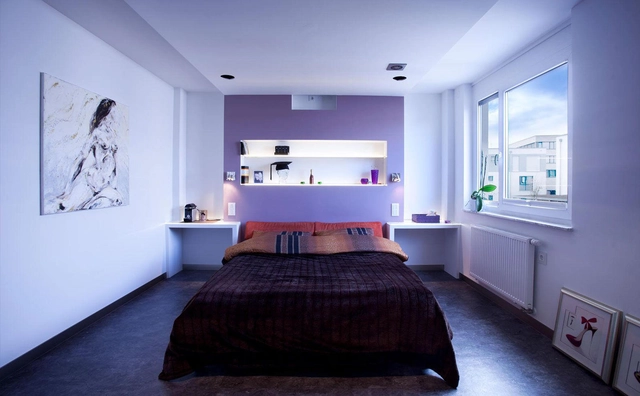

With every household need catered for automatically, the Internet of Things promised us an easy life. Now smart home living can automate our daily lives, but what’s it really like?
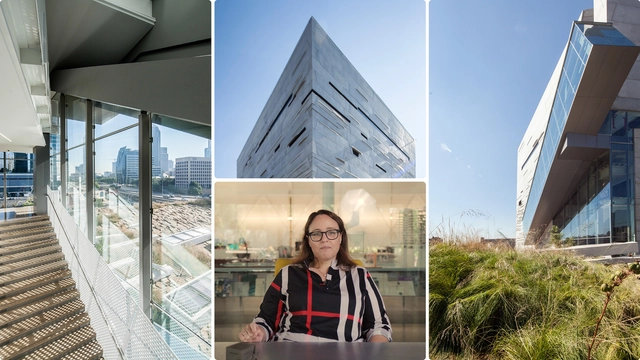
Morphosis has joined DesignClass, a growing collection of online classes featuring innovators from architecture, design, and creative leadership. Each class aims to build "curious and creative confidence" in future generations of creative professionals. Delving into design process, logic, and architecture, the new class focuses on how to translate ideas into dynamic architecture with one of the leading practices today.
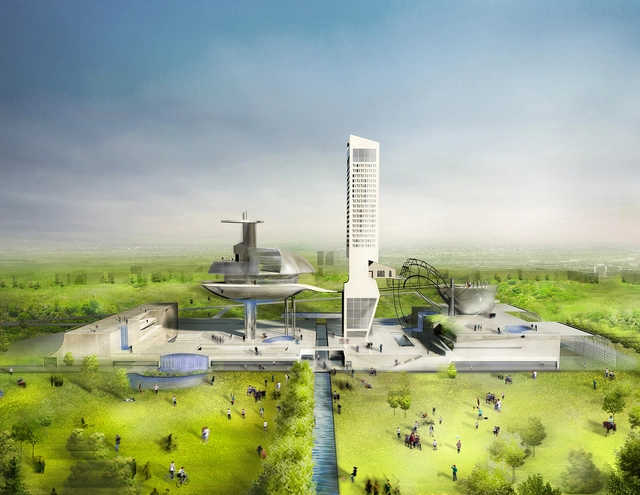
What follows this short introduction is my unusually personal interview with a Lebanese-American architect and artist Nishan Kazazian. His work is inspired by numerous sources that come from many directions such as Kintsugi, the Japanese art of putting broken pottery pieces back together, primary color geometric abstractions evocative of Russian Constructivism, as well as paintings by Piet Mondrian and Paul Klee. Yet, a stronger inspiration comes from his memories of home and family history. Layering and superimposition of cultures and languages were constantly present in his life since childhood and remain guiding forces to Kazazian, who is both a licensed architect and a professional artist.
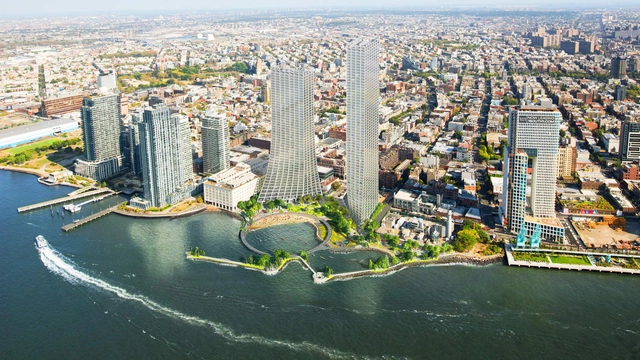
In this week's reprint from the Architect's Newspaper, author Patrick Sisson tackles the implication and participation of communities in New York in shaping their built environment, especially their waterfront. He also asks about the roles of representation and if "the city’s community boards and Uniform Land Use Review Procedure act more like gatekeepers than catalysts for equitable development?" especially that a lot of new developments are labeled as housing projects.

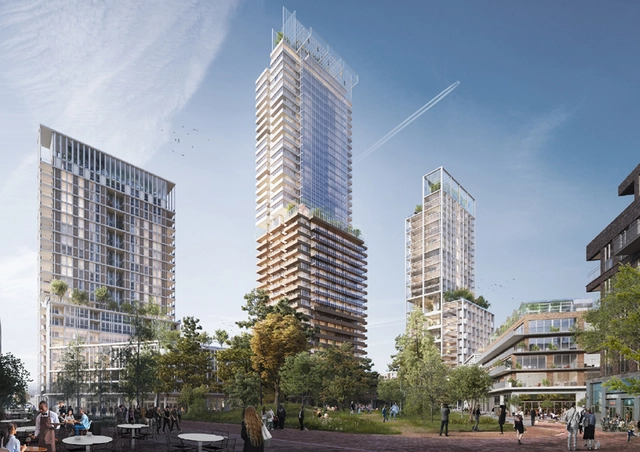
It is projected that by 2025, the world’s population will reach over 8.1 billion people- and a large majority of those people will be heavily concentrated in cities. While much of the focus has been on preparing and reconfiguring our already hyper-dense urban to absorb even more people, in the peripheral, smaller cities and towns around the globe have experienced significant expansion, and have defined themselves as “up-and-coming”. Places that were perhaps once overlooked are putting themselves on the map for their rapid growth, economic vitality, and affordability, among other characteristics.

The Second Studio (formerly The Midnight Charette) is an explicit podcast about design, architecture, and the everyday. Hosted by Architects David Lee and Marina Bourderonnet, it features different creative professionals in unscripted conversations that allow for thoughtful takes and personal discussions.
A variety of subjects are covered with honesty and humor: some episodes are interviews, while others are tips for fellow designers, reviews of buildings and other projects, or casual explorations of everyday life and design. The Second Studio is also available on iTunes, Spotify, and YouTube.
This week David and Marina discuss the differences between architecture school and architecture practice. The two cover school projects vs real buildings; design process; teamwork; architecture concepts; personal growth; clients vs employers vs teachers; the pace of architecture; academic and professional career paths; skill sets; and what the differences mean for students, recent graduates, and the profession.

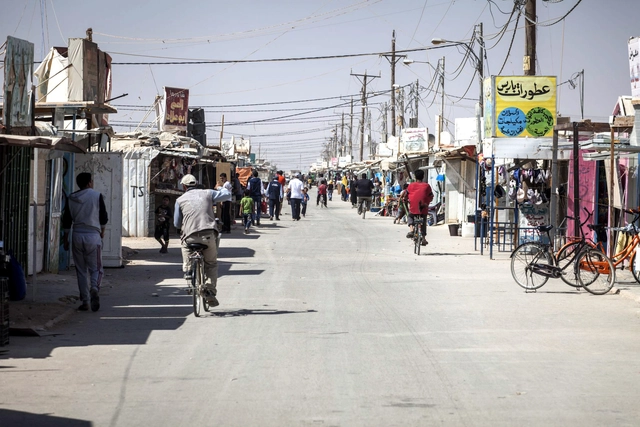
COP26, The United Nations Climate Change Conference, is scheduled to be held in Scotland soon, in the last week of October 2021. Against the backdrop of this conference is a heightened global awareness of climate change, as discussions take place on how a sustainable, more equal future can be achieved. The present and future state of architecture is a key component of this conversation, as criticism is levelled at architecture firms that “greenwash” and questions are raised on if the term “sustainability” is increasingly merely being used as today’s buzzword.
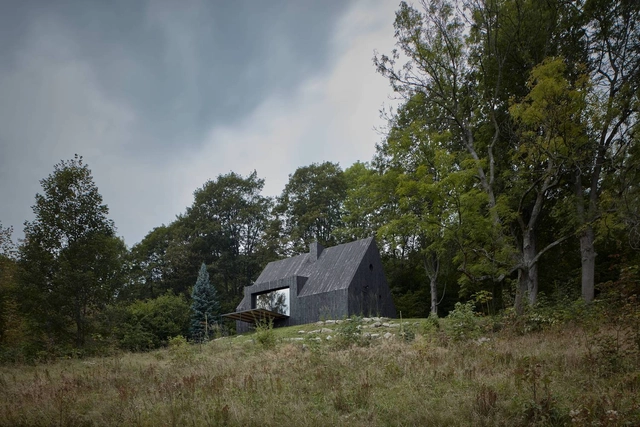
There’s been a recent popular interest in and adoption of an aesthetic born from agrarian retreats called cottagecore. It harkens back to the days of Laura Ingalls Wilder and other simpler times of settlers, pioneers, and traditional European settlements. Cottagecore includes flowers, woods, warm tones, thatched roofs, worn furniture, and other objects and motifs associated with country living. The restorative power of cottages and retreats has long been recognized, but their popularity and renewed interest coincide with the pandemic as our lives are marked by excessive time spent indoors and communicating solely through electronic mediums.

Most homeowners know that mold can spell serious trouble and hefty remediation bills. But did you know invisible mold can destroy your house silently? It sounds scary, and left unchecked it can be, but there are a few things you can do to prevent it from taking over your home. Mold grows anywhere as long as there is moisture and any organic matter that it can feed off. In most homes, the basement provides an excellent place for mold to multiply quickly. Not only does mold quickly multiply, but it can also cause health problems such as stuffy noses, headaches, coughs, and allergies.
We will start by looking at how you can identify mold, deal with invisible mold, identify the products to use and not to use when dealing with mold, and determine when to hire a mold treatment expert.
This article was originally published on Common Edge.
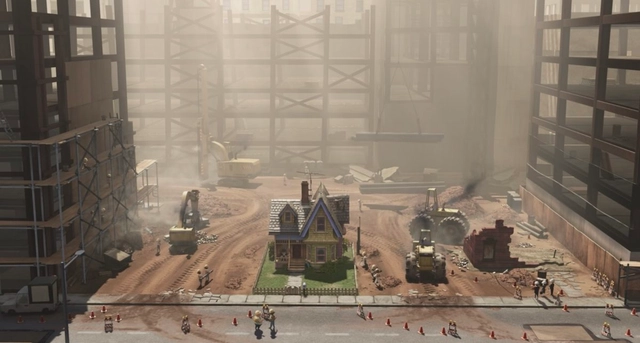
For anyone who has weathered the pandemic while simultaneously raising a toddler: I feel your pain. In my house, toys are no longer organized by function or size; they’re relegated to piles, tossed in corners, buried beneath other things. And yet, despite pangs of homesickness for our beloved Brooklyn, we have found solace in our newfound suburbanization: backyard, vegetable garden, washer/dryer … even a second kid on the way! As we settled into our new routines in the land of sprawl, the pandemic struck and, like countless parents, we subscribed to Disney+. And although I was familiar with Pixar, watching the studio’s movies in this unprecedented context felt like experiencing them anew.
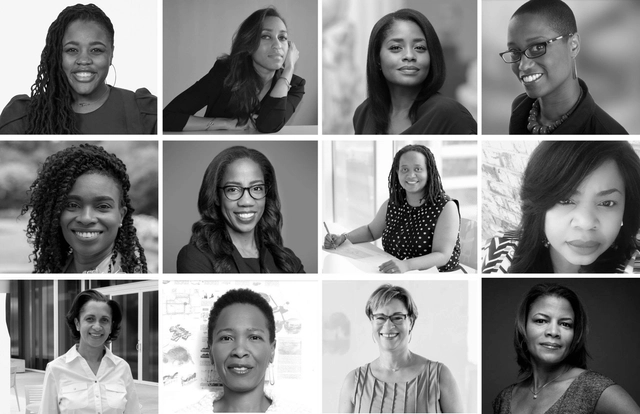
FIRST 500 is a global initiative documenting the achievements of Black women architects, and now the organization has launched a new website. Serving as a digital archive, the website aims to raise awareness about Black women architects and their accomplishments, provide resources for students, practitioners and aspiring architects, and build a community for Black women in the field.
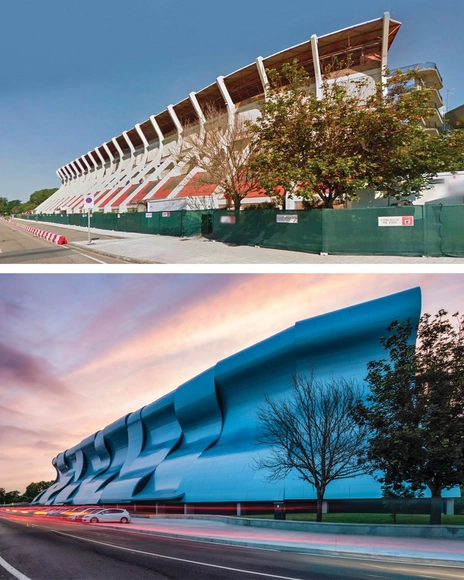
The task of rehabilitating buildings has been increasingly encouraged and celebrated for some reasons: first, by renovating and not demolishing, a large part of the material resources present are used, reducing the use and exploitation of raw materials and, in certain cases, the memory and the original urban fabric are preserved. A good rehabilitation also incorporates the modernization of the building to increase its energy efficiency, readjustment of facilities and the correction of pathologies, making it coherent with the demands of current users. For the building's owners and users, this means a better quality of life and, also very important, an appreciation of it. An element that plays a fundamental role in rehabilitation is the façade, which combines aesthetics and performance.
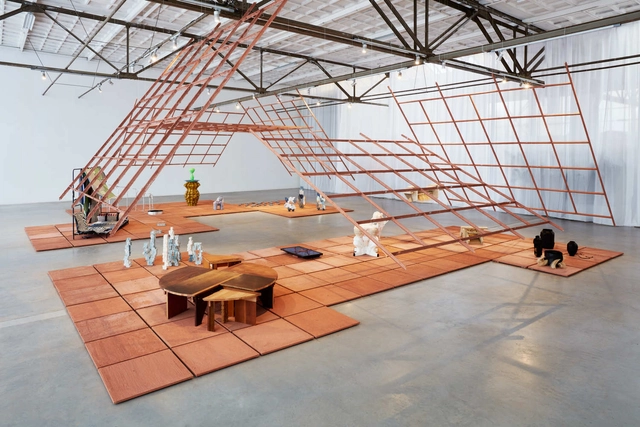
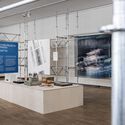
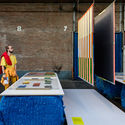
Under the theme of 'The Greater Number', the Dutch Design Week (DDW) returns with a physical edition from the 16 until the 24th of October 2021 in Eindhoven, the Netherlands. The largest design event in Northern Europe has decided for its comeback to tackle the notion of less consumption, less production, and less waste. Knowing that this is not always possible, the design happening also calls for more sustainable products with more value.
Striving to change the behavior of consumers and manufacturers, Dutch Design Week organized lectures, debates, and exhibitions, from which ArchDaily selected 8 architecturally relevant interventions to underline. Highlighting ideas that can shape a positive future, the list is mostly focused on future cities, while also tackling notions such as adapted realities, connected living, interactive experiences, and designing society.
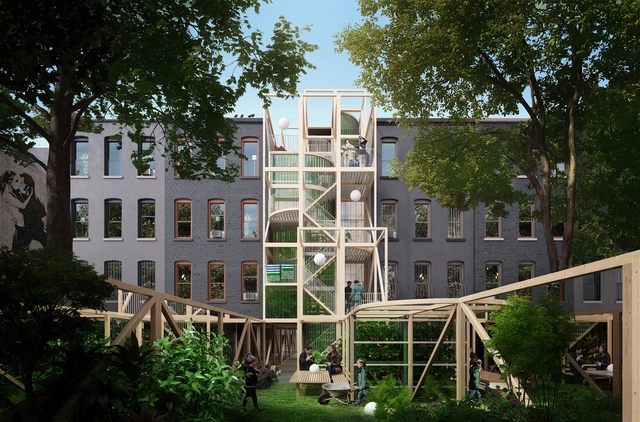
Designing residential projects has become nothing short of a challenge. Whether it being for the housing crisis and its repercussions, the heightened environmental awareness, or the fact that people are spending more time inside their dwellings, architects are now focused on building projects that look beyond the typical house and that provide answers to questions like: how can architects offer residents privacy and comfort while maintaining a connection with the outdoors? And how can these spaces cater to the spatial and functional needs of all family members, especially when the lines between work, play, and rest are blurred?
From a Matrix-inspired housing compound in Saudi Arabia to the world's first steel 3D printed structure of modular houses in Sardinia, this round up of unbuilt apartments showcases how architects have reimagined the traditional residential typology, and looked into how these structures can cater to their users, the site, and the environment. This round up also includes projects from the Netherlands, Siberia, Sweden, and Italy.
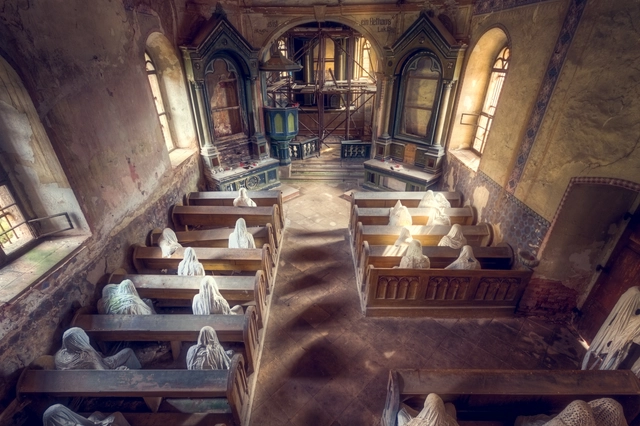
It is easy to show cool images of adaptive reuse. The contrast of living history and control over it makes for dynamic visuals. But there is a deeper meaning to adaptive reuse. Architecture embodies humanity and humanity changes, so our buildings change.

The style and atmosphere of an interior literally rest on one product more than any other: the floor. When selecting the perfect flooring or carpet to suit a project, specifiers need to consider a range of questions for the room. Various colors, patterns, and styles are available across all materials, so requirements like coverage, traffic, maintenance, and durability —rather than aesthetic— really dictate the answer to which flooring type is right for your project.
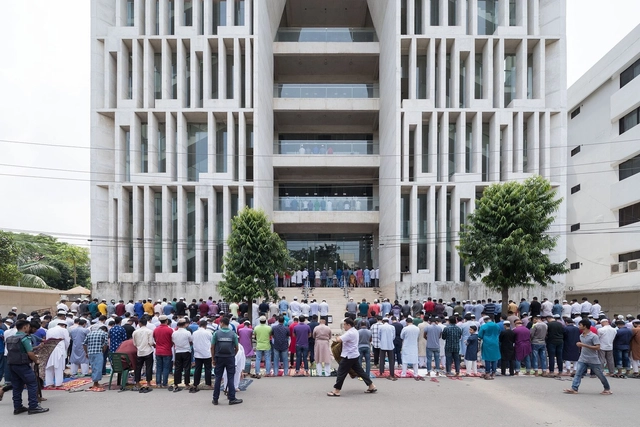
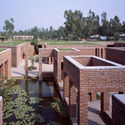
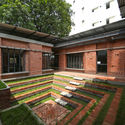
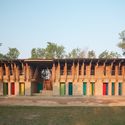
Bangladesh has built a new wave of cultural architecture over the last decade. Tied to design influences from across the Bengal region and the broader Indian subcontinent, the country's modern buildings stand alongside monuments dating back thousands of years. With an architecture rooted in religion, history and culture, contemporary projects build upon the past to imagine a new future for Bangladesh and its cities.
.jpg?1634086531 "© Edgard Torres")
.jpg?1634086419 "© Edgard Torres")
.jpg?1634086290 "© Gustavo Burgos")
.jpg?1634086433)