Courtesy of Balenciaga Launches a Video Game for Its Fall 2021 Collection
You might have heard that Mark Zuckerberg wants Facebook to become a Metaverse Company, and earlier this year, Epic Games, the company that develops the Unreal Engine announced that it completed a 1 billion round of funding to support the long-term vision for the metaverse. Metaverse is definitely the hottest buzzword in the tech scene. In this article, we will briefly discuss what is Metaverse, who will build it, and most importantly why it matters for architects, and how can designers play a significant role in this upcoming digital economy?
Pablo van der Lugt is an architect, author and speaker. His research focuses on the potential of materials such as bamboo and mass timber for the construction sector, and their positive impacts on the world. “Throughout my professional career both in university (including my PhD research on the carbon footprint of engineered bamboo and wood) and industry the past 15 years I have found there are many misconceptions about these materials which hamper their large scale adoption. For this reason I ‘translated’ my research findings into two contemporary books for designers and architects about the potential of bamboo: Booming Bamboo, and engineered timber: Tomorrow’s Timber. They aim to dispel these myths and show the incredible potential of the latest generation of biobased building materials in the required transition to a carbon neutral, healthy and circular built environment.” We recently had the opportunity to talk with him about these topics. Read more below.
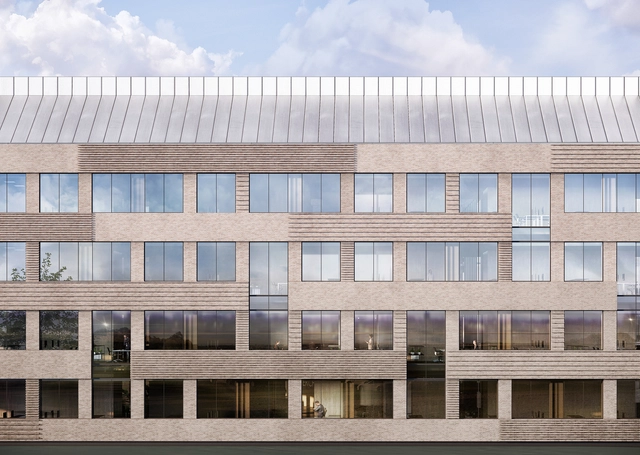
Generally made from kiln-fired clay, it is estimated that bricks have been used since 7000 BC, as examples were discovered in the ancient city of Jericho. Since then, bricks have been omnipresent in the history of architecture, combining constructive ease, aesthetics and comfort. Nowadays, with the growing concerns around the environment and the larger impact of materials used and decisions taken on a project, there are ways to modernize an ancient material such as brick through a few updates to its manufacturing process, making it even more eco-conscious. Brick can already be considered a sustainable material because of its durability and recyclability, but there are ways to further improve it. The new project for the headquarters of the food manufacturer Danish Crown, under construction and developed by CEBRA office, is a good example of how to apply this product in a more sustainable way.
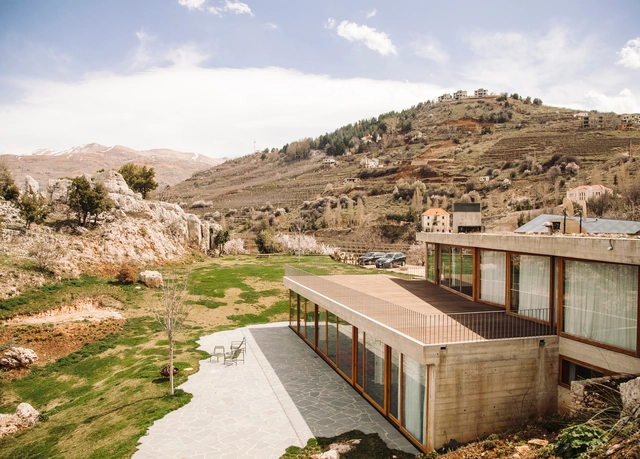
Lebanon is known for its millenary culture, and Lebanese architects are a part of it, using their projects to communicate with the environment and with the current challenges in architecture. To celebrate Lebanon’s Independence Day on 22 November, we have selected seven offices to learn more about contemporary Lebanese architecture.
Origine by Davide Groppi. Image Courtesy of Davide Groppi
Outdoor lighting not only extends the use of external spaces in the warmer months but can also highlight and transform different aspects of their design. Like interior lighting, outdoor lighting schemes should find a balance between different categories of lighting. And today, the proliferation of warm light LEDs means that energy-efficient designs can also offer the soft tonality of earlier technologies. Unlike offices or homes, outdoor spaces do not need to be evenly lit throughout – whether parks or private gardens, dramatic contrasts of light and shadow can often enhance the design of a project.
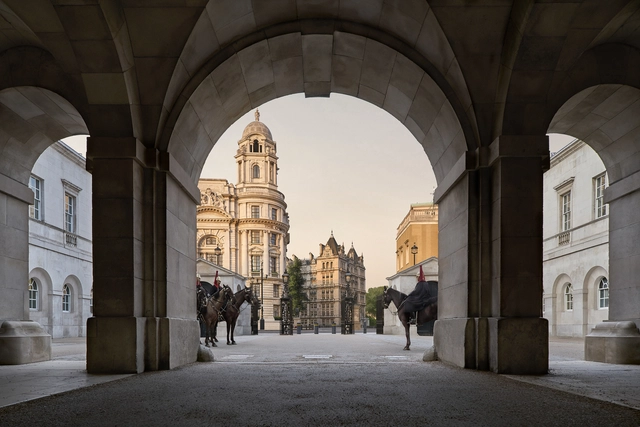
The Grade II listed Old War Office building has been reimagined in central London. As a new destination for the city and rebranded as The OWO Residences, 85 homes are available in the Old War Office, which has been closed to the public for over a century. EPR Architects are working to restore and convert the building into residences and the first Raffles hotel in London.
Transcendentalist philosophers have long shared the idea that humans and nature are equal forces that should coexist in harmony. The notion has since expanded to the architecture world, with Frank Lloyd Wright shedding light on the term “organic architecture” as early as the 1900s. In recent years, driven by an increased interest in living closer to nature, architects continue to delve into the concept of integrating interior and exterior, blurring out visual and physical boundaries to bring landscapes indoors.
In Sky-Frame’s latest film, part of the series “My point of view”, a conversation with architect Dara Huang explores this notion, questioning how architecture can merge nature, sustainability and lifestyle within its form, without relying on more technology or materials to do so.
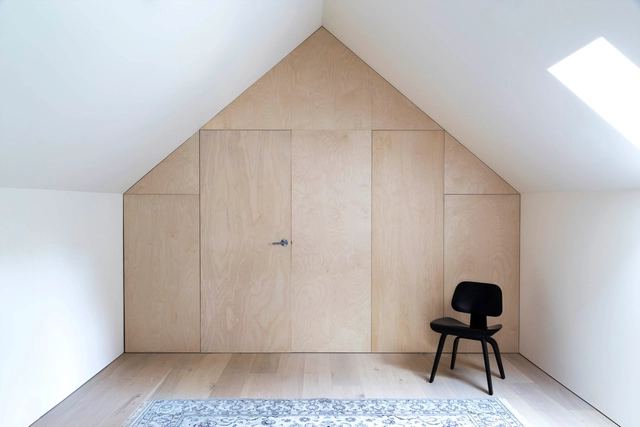
There are a variety of wall coverings, façades and ceilings on the market, with multiple aesthetic options, fulfilling different functions and supplied by many companies. One thing they all have in common is that they are structured on frames which usually don't get much attention, yet directly influence the installation and the final result. These frames can vary in materials and complexity, as well as in how the panels are connected. The fixing of the panels cannot always be hidden, with visible screws or other parts, which end up requiring the use of other methods to hide them.
New Zealand brand Fastmount specializes in the development of hidden panel systems and has just launched a new system for interiors: Stratlock. The particularity of this product is that it offers designers and builders a complete and integrated system that is especially developed for the construction of ceiling and wall structures on irregular substrates. It can be used to affix internal panels with precision, and can be cut to any desired size in order to build the frame to attach the panels.
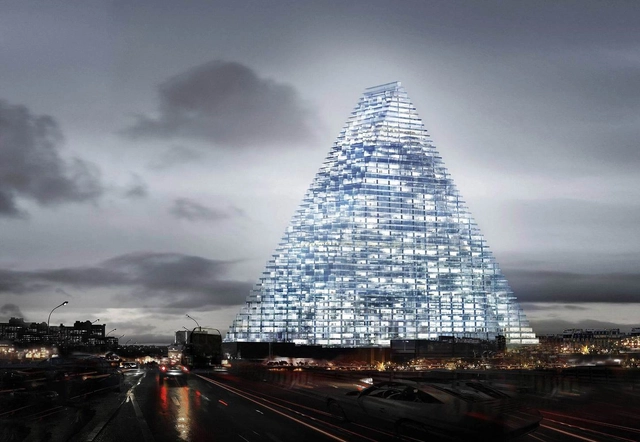
Embroiled in legal battles for the better part of a decade, a notably tall (not to mention pyramid-shaped) mixed-use tower is a major step closer to joining the famously short Parisian skyline.. Image Courtesy of Herzog & de Meuron
After more than a decade of financing snags, legal scuffles, and more than a soupçonof backlash, initial work on the Herzog & de Meuron-designed Tour Triangle (Triangle Tower) is set to commence by the end of this year at a site near Parc des Expositions de Porte de Versailles in the 15th arrondissement of Paris. However, last-ditch efforts to block the project are underway.
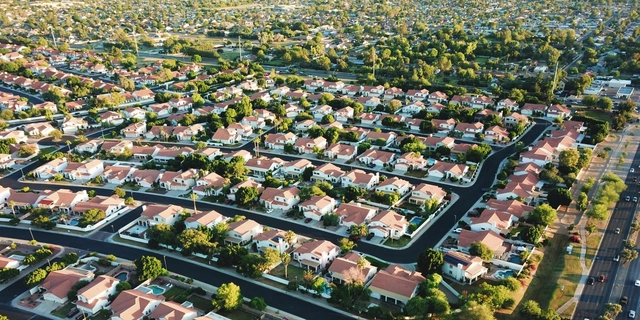
The hassle and stress that comes with home buying is something that everyone interested in purchasing a property dreads. The long process of negotiations between buyers and sellers, months of escrow, and expensive closing costs demand a more simple and convenient process of home transactions. Consumers today expect a quick turnaround on all services- including purchasing a home. Enter ‘iBuyers” who are removing the hurdles around this process and making home valuations and sales a more automated process.
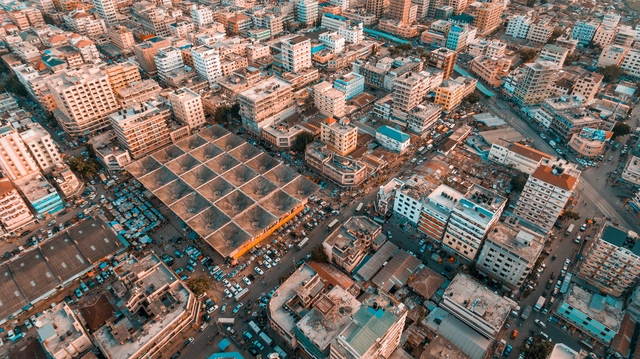
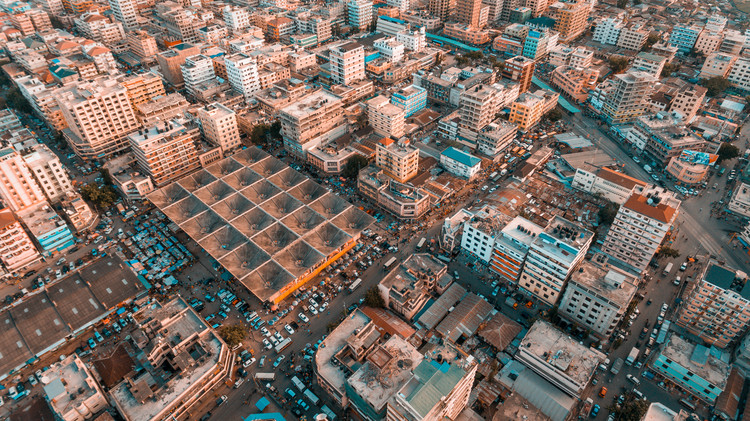
A few months ago – in July 2021, the 47-year-old Kariakoo Market went up in flames in Dar es Salaam. Designed by Tanzanian architect Beda Amuli, the market is a central landmark – a key part of Dar es Salaam’s commercial hub. Early images of a new Kariakoo Market show a taller structure, with six floors compared to the three in Amuli’s design. Conversations on social media have abounded on the new design, and if a “tower” typology is really the appropriate choice considering the unpopular nature of other similar “tower” market halls in Dar es Salaam.
We often take things for granted, and sometimes barely even register the really important things, only noticing them once they are missing. This can be applied to many things in life, of course, but it is especially apparent in the building industry, and in particular to intelligent building technology that runs in the background while ensuring the functionality and longevity of architectural ideas.
It is a commonly held belief by non-architects (and even some architects) that gabled roofs are inherently better than flat ones. The argument typically goes that a gable demonstrates a ‘form follows function’ sensibility, easily shedding water and snow using geometry and gravity. So, flat roofs might leak. While that’s true, this video blows the roof off the topic by taking a finer look at some points that might change your mind. This includes Louis Sullivan’s original reason for writing the phrase “form ever follows function,” as well as the ability of flat roofs to offer outdoor public spaces, supporting green roofs, structural simplicity, wind considerations, among many others. There’s also another, competing functional/formal reason for why a low slope roof might be more prudent than a more aggressive slope, even in snowy areas like Chicago.
Opal orbs diffuse the light in the Ace pendant by Troy Lighting, seen here. Reminiscent of the molecular designs of the 1950s atom age era, the pendant’s textured bronze finish pairs well with wood. Image Courtesy of Hudson Valley Lighting Group
With winter drawing in across the northern hemisphere, Hudson Valley Lighting Group share tips on how to warm up homes with layered lighting and worn-in finishes.
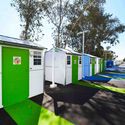
Lehrer Architects has designed a tiny home village for homeless residents in Los Angeles. Called Whitsett West, the project was completed with the City of Los Angeles’ architects and engineers in the Bureau of Engineering. Located in North Hollywood, the project is the fourth collaboration in the past seven months designed to be a prototype for transitional housing formats.
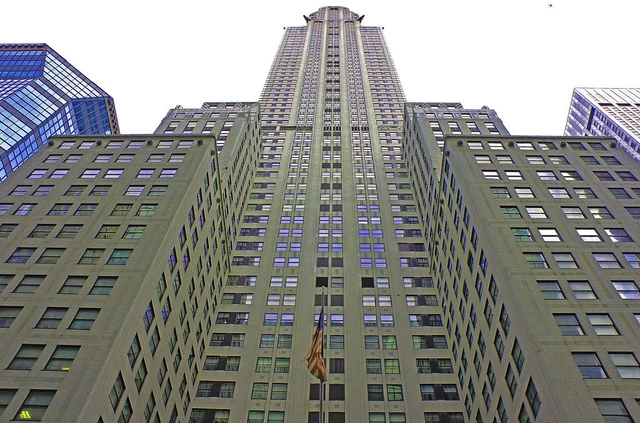
"Chrysler Building NYC NY" by dog97209 is licensed under CC BY-NC-ND 2.0
Art Deco architecture derives from a style of visual arts of the same name that emerged in Europe in the 1920s, which also influenced the movie industry, fashion, interior design, graphic design, sculpture, painting, and other forms of art, in addition to architecture. The milestone of this style was the International Exhibition of Modern Decorative and Industrial Arts held in Paris in 1925, from which it took its name.
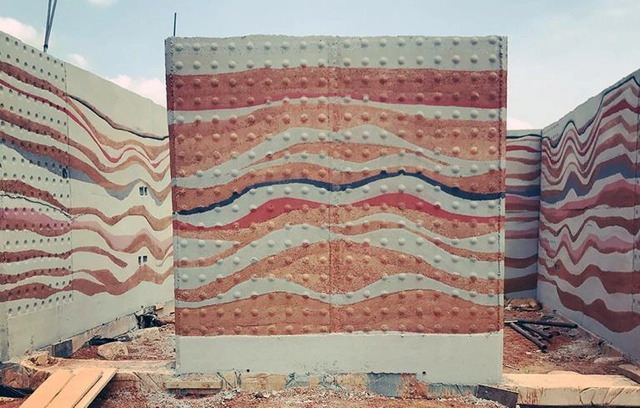
Rammed earth constructions are not a novelty, on the contrary, some sections of the Great Wall of China were made using this technique. Relegated and replaced by modern methods of construction, the mud walls are currently re-emerging as an economic, sustainable solution, with low environmental impact. Even Joelle Eyeson, a young African entrepreneur, is betting that it may be the answer to the housing deficit in her region.
This is a rudimentary construction system in which earth is compressed into wooden boxes. The clay is horizontally placed in layers of 15 cm in height, and compacted with manual or pneumatic tools, to achieve its ideal density creating a resistant and durable structure.
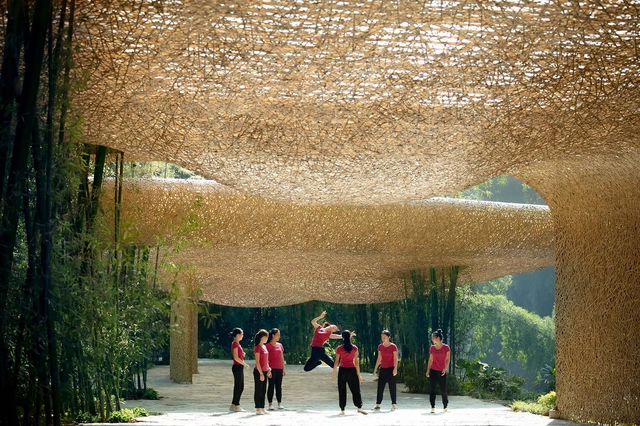
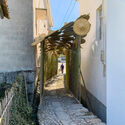
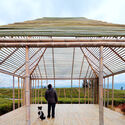
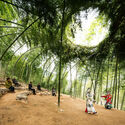
Bamboo is a very resistant, versatile, and sustainable natural building material, which can be used to build structures and decorative elements. This article explores its diverse applications in a selection of projects for public spaces.
When the 2008 Great Recession destroyed advertising revenue for all of publishing and limited the cash that architects had for PR and photographers, the established way of promoting architects and architecture was brutally compromised. That same moment saw the instant availability of smartphones, with insanely good cameras, huge memory, and soon 5G transmission. Those technological revolutions turned graphic duffers into artists. Anyone can now photo, video, and narrate any perception anywhere, instantly, free - and share universally. The cliché of saying that the internet “everything changed” is true in how the world sees architecture.
This one-two punch of fiscal devastation and technological revolution has realized a New Practice; the Self-Promoting Architect, independent of the Machine of Defining Cool in architecture.
For some years now, wood has received an increasing amount of attention in the construction industry. With concerns raised about sustainability and the carbon footprint of buildings, new construction methods and innovative possibilities in the use of timber have developed rapidly. This interest in wood stems in part from its renewability, though this benefit is contingent on sustainable logging and the appropriate management of forests to be allowed to regenerate naturally. However, it is the versatility of wood that serves as the primary impetus for its widespread use. From boards, to beams, to floors, and even to thermal and acoustic tiles and insulators, wood can be used in several different stages of a single project and with different degrees of processing and finishing.
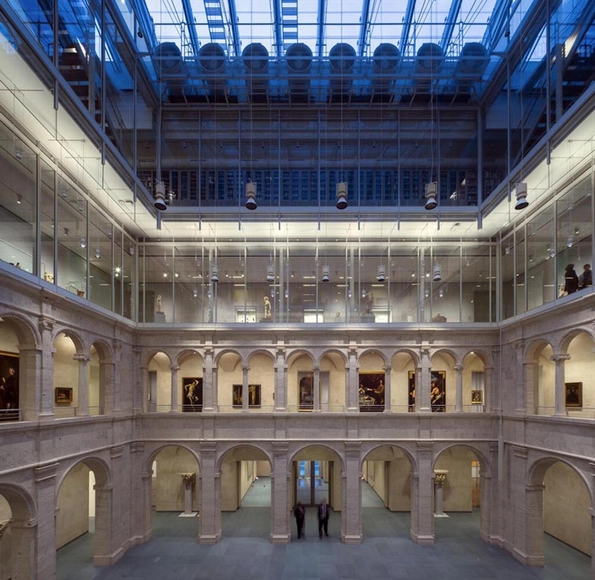
Responsible use and consumption of natural resources and the impacts of the building industry have been ongoing concerns in the field of architecture and urban planning. In the past, concepts such as clean slates, mass demolitions, and building brand new structures were widely accepted and encouraged. Nowadays, a transformation seems to be taking place, calling for new approaches such as recycling, adaptive reuse, and renovations, taking advantage of what is already there. This article explores a selection of projects and provides a glimpse into interventions by renowned architects in pre-existing buildings.
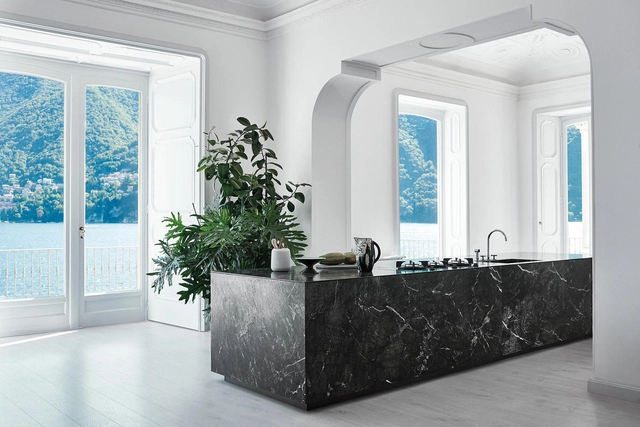
With contemporary lifestyles meaning more entertaining from home, forward-facing kitchen islands with integrated seating make staying in the new going out. But what makes the perfect kitchen island?
The use of organic and natural materials, as well as products that successfully emulate them, has been a strong ongoing trend that continues to gain popularity in interior design. Especially in the past year, where confinement restrictions have heavily influenced the amount of time people spend in their homes, the industry has experienced an increased demand for products capable of bringing nature and visual comfort indoors – whether it be in the form of furniture or other decorative elements. It is, without a doubt, a design movement that is here to stay.
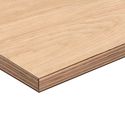
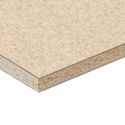
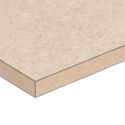
However, besides the interest in nature inspired objects, architects’ and designers’ primary consideration when selecting a material is often its quality, resistance, and maintenance needs. It is, therefore, ideal to combine a natural look with functionality when creating a user-friendly indoor environment. With that in mind, wood-based materials manufacturer EGGER has expanded its lacquer portfolio to develop a new line that unites an organic look with other beneficial properties.


.jpg?1632299699&format=webp&width=640&height=580)
.jpg?1632299688 "Courtesy of Mars House")
.jpg?1632299564 "Courtesy of Refik Anadol installation")
.jpg?1632299617 "Courtesy of User interface of City Engine")
.jpg?1632299643 "Courtesy of Townscraper, developed by Oskar Stålberg")
.jpg?1632299699)












.jpg?1637201794&format=webp&width=640&height=580)


.jpg?1637201794)