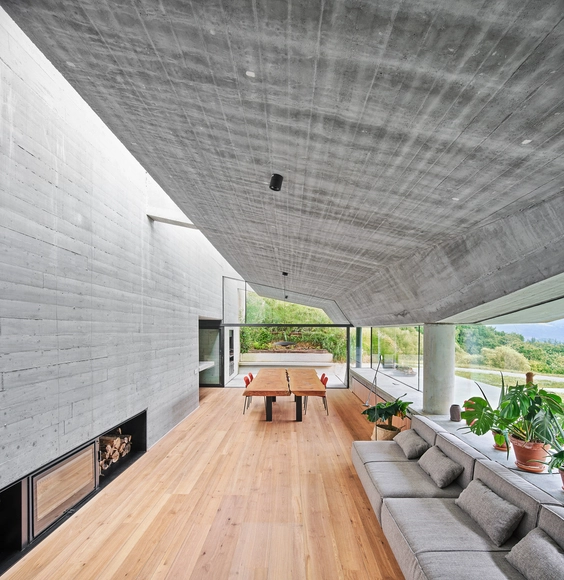
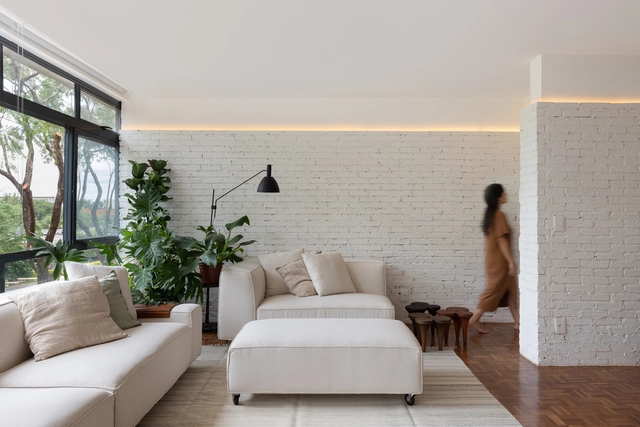
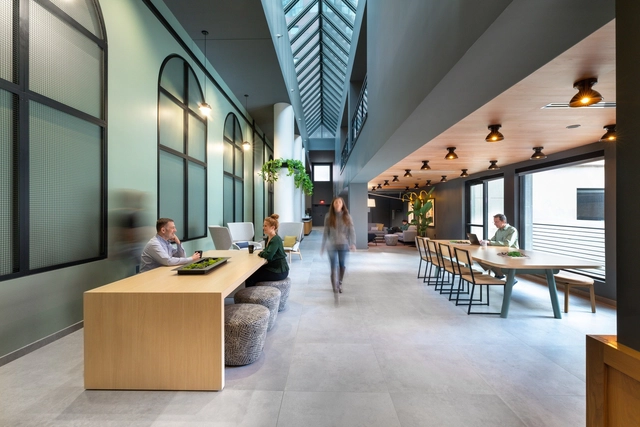
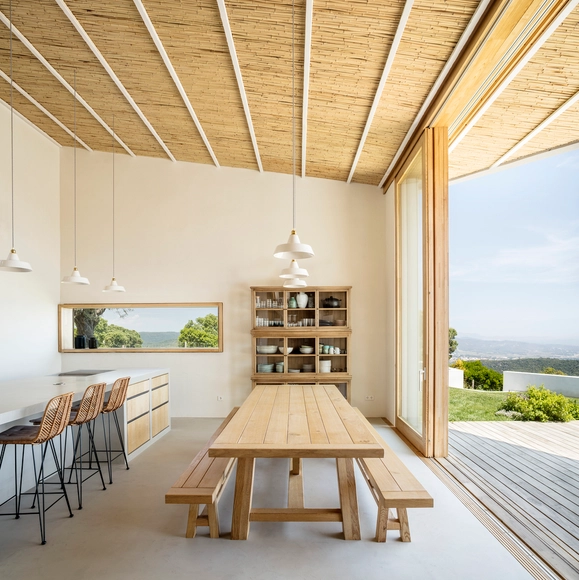
Architects are constantly diving into design strategies that aim to select the best products to create outstanding atmospheres inside their projects. The solutions adopted in projects, especially in interiors, are highly influenced by trends that mirror what society values most at the time. But how are interiors being designed nowadays? With a focus on natural interiors and the interaction with their context, architecture is prioritizing local materials and textures, natural light and the use of minimal furniture that allows continuity throughout space.
Below we present a selection of inspiring projects that, using products from Spanish brands, showcase these modern trends, from the use of natural materials to maximizing natural light.
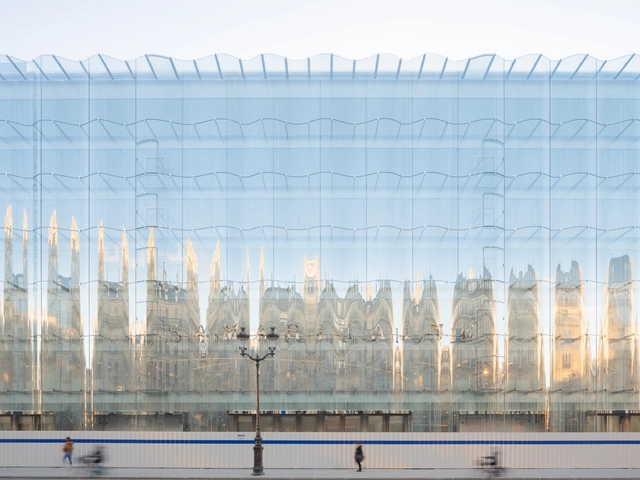
If you’ve been avoiding some of the latest news recently, here’s a quick update; European and North American countries have been facing one of the hottest recorded summers in modern history. Discussions over the climate crises have therefore been reignited and so has the role of the design and construction industry in providing solutions that would mitigate the experienced heat effects in our daily lives. While passive cooling solutions have always been used in some parts of the world, where local resources and vernacular builds are adapted to high temperatures, other regions are looking to technological and innovative manufacturing means that would maintain human comfort, aesthetic values, and energy efficiency/ cost.
Although early modernism with its signature high-rises and glass houses had made us think that glass enveloped buildings are mostly uncomfortable, over-exposed, and overheating settings; nowadays glass manufacturers are proving that glass, if well treated and well-placed, can be as versatile and efficient a material as one could want without compromising the visual comfort or the dwellers.
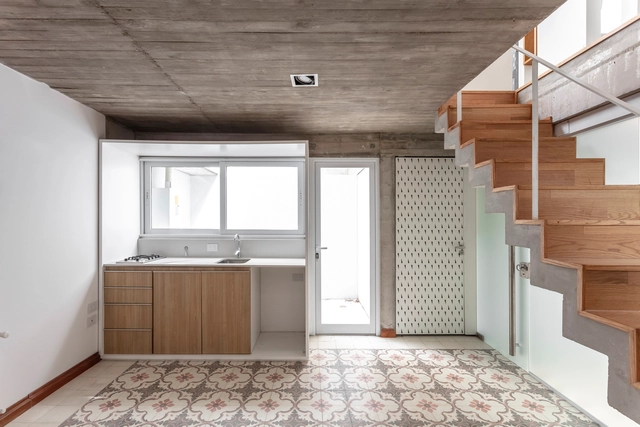
In large cities, it is becoming increasingly common to find buildings that are capable of admitting different configurations and layouts in their internal spaces. Towards the end of the 1960s, duplex typologies began to appear in buildings in the city of Buenos Aires, when the Building Code allowed them to be located in the obligatory setbacks of the upper floors.
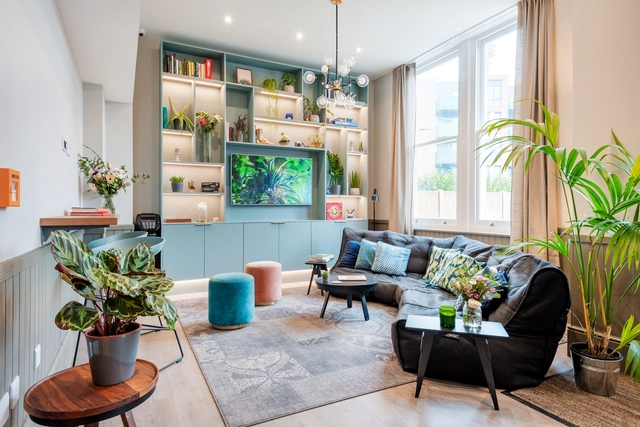
Co-living is a residential community living model, referring to a modern form of group housing that has significantly transformed London life and the UK as a whole. The notion of co-living has even more so been popularized by the rise of housing startups, with many offering affordable housing in homes and apartments alike shared by a handful of adult housemates.
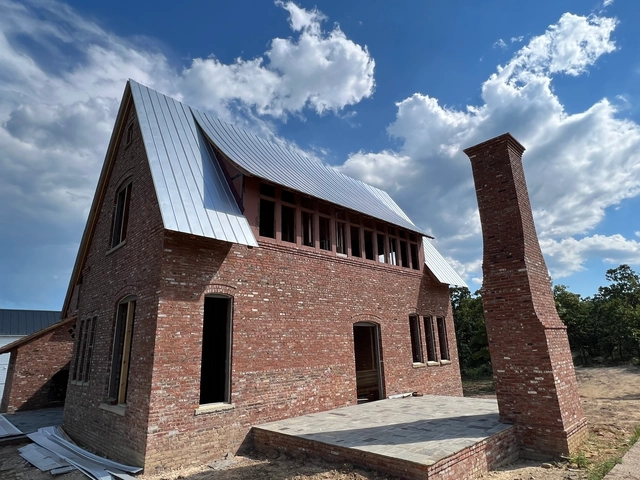
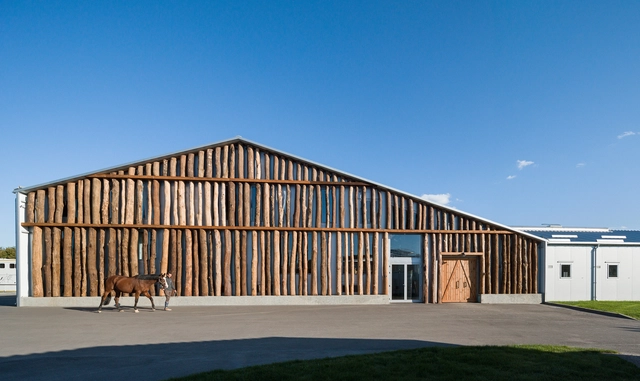
“Hope for Architecture” is the calling of Clay Chapman and described by him as “a building initiative to address the challenges of an uncertain future.” In truth, “Hope for Architecture” is a masonry and timber technology, reinvented and adapted from antiquity for this moment. Clay and his young family moved to Carleton Landing, Oklahoma fifteen years ago to fulfill a mission: creating a community and explore that technology.
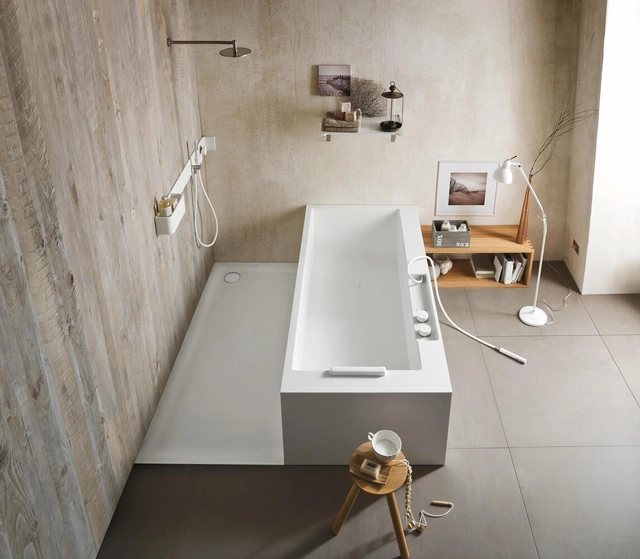
Achieving the perfect bathroom design and layout for each user comes with a lot of very detailed decision-making. One example is the shower versus bath debate, which includes valid arguments in favor of each option, and no objective right or wrong. When designing a bathroom, architects must use their experience and perception to make decisions that will best respond to the layout’s spatial needs. Shower or bathtub standard dimensions, placement of elements, and material selection are some of the factors that must be studied before adjusting to the user’s requirements.
With an analysis of four factors –spatial needs, user needs, innovation, and sustainability– the following article aims to discuss the pros and cons of bathtubs and showers. Through a selection of innovative, accessible and space-saving bathroom layouts, all of which include products from the Bathroom category on Architonic, the discussion exemplifies solutions to possible shower and bathtub problems.
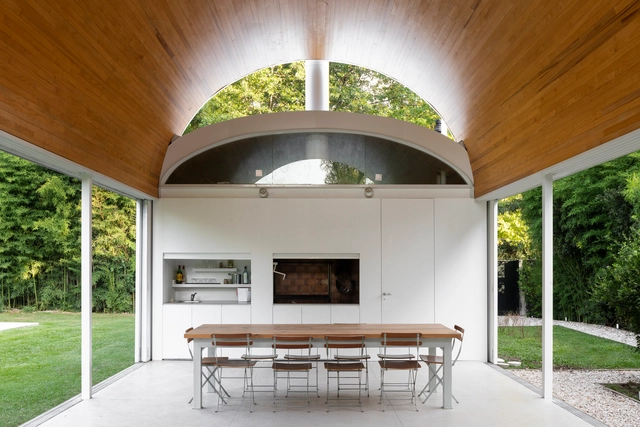
As a protagonist of the Argentinean culinary scene, the barbecue plays a prominent role. In architecture, beyond the dimensions of the spaces where they are installed, grills are consolidated as a meeting point for visitors and residents of the houses, coming into direct contact with the customs and culture of the country.
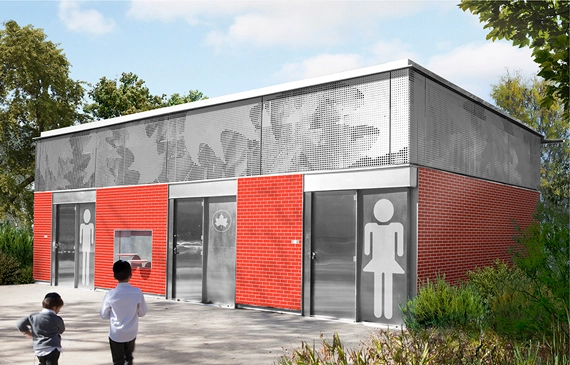
Fairview Park Comfort Station, Staten Island. Image via NYC Parks, Design by Sage and Coombe Architects
In the realm of design, we often talk about ensuring that there are enough public spaces to serve a community. We discuss the need for public parks so that people have access to outdoor spaces. We think about public transportation, and how our dwindling reliance on cars will help to ensure that we have a healthier planet. But what about the public spaces we lack? What happens when we don’t have enough public restrooms?
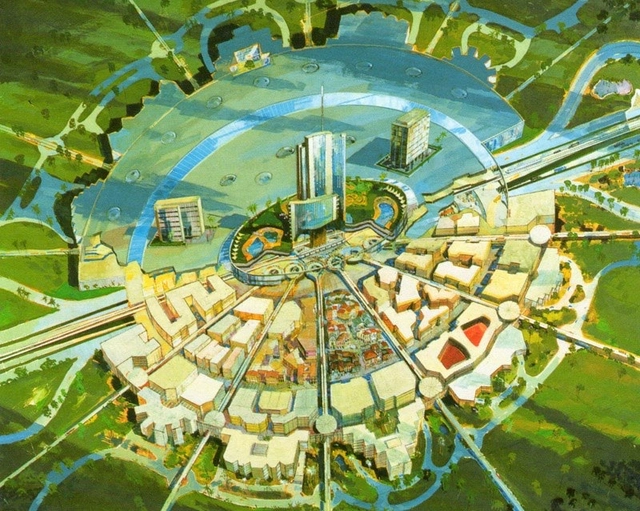
Beneath the Spaceship Earth geodesic sphere and the display of world cultures that symbolize Disney World’s EPCOT lies the buried vision for a utopian city. The original EPCOT - a community built around innovation - was one of Walt Disney’s last visionary projects. Bothered by haphazard urban sprawl, Disney had bold ideas for an urban fabric that would drive progress in the USA. The “Experimental Prototype Community of Tomorrow” was Walt Disney’s antidote to the decay of American cities.
Usually, refurbishments are to completely change a space or, in a more surgical way, to bring about improvements in mobility and privacy issues. No matter the number of walls to be demolished, coatings to be replaced and joinery to be designed, the result is always looking for a more functional and beautiful space. In the case of apartments that usually have standard floor plans, intervening in them is also a way of bringing a unique and more personal character to each home.
https://www.archdaily.com/987607/before-and-after-10-refurbishments-in-brazilian-apartmentsArchDaily Team
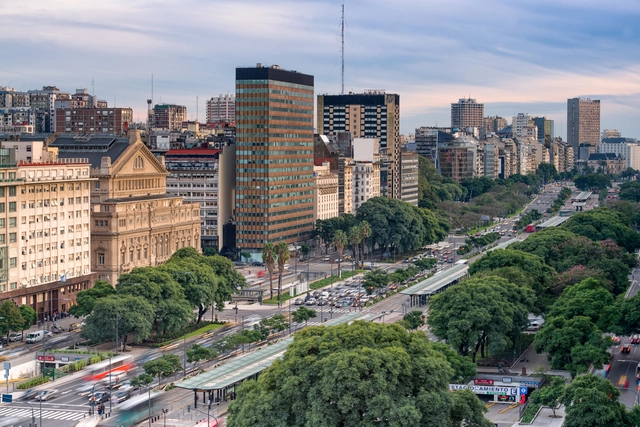
Buenos Aires, Argentina. Image from sharptoyou. Image via Shutterstock
Understanding the diversity and plurality of people who inhabit and pass through cities on a daily basis, gender-responsive urban planning aims to incorporate all those identities, perspectives and activities that have been invisible for years. Understanding the complexities that surround cities and getting involved in the urban experiences of their inhabitants, public spaces turn out to be the scenario for the development of urban life and, as such, should bring together a series of guidelines and considerations in accordance with this new paradigm that act as planning tools, composing this network of spaces and contemplating all the users of the city.
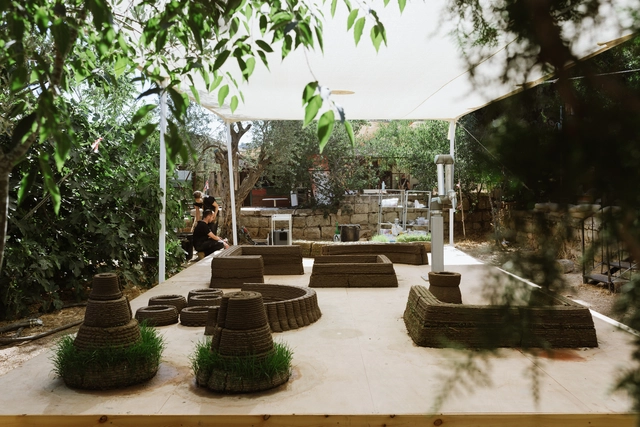
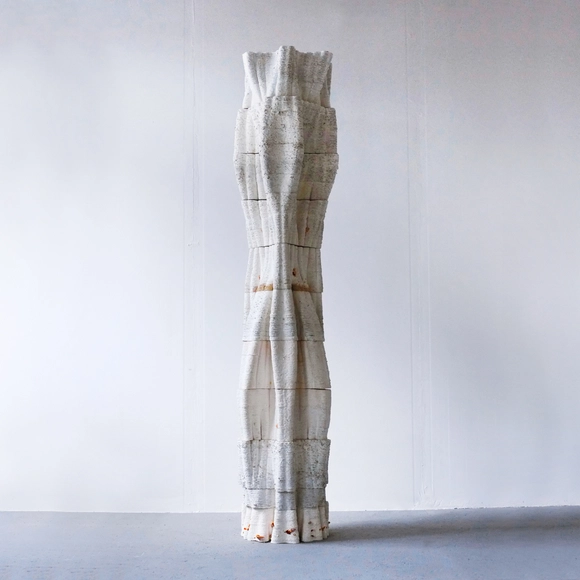
Can you imagine a world in which the built environment around us is 3D printed from living materials? That buildings will germinate, bloom, wither, produce new kinds of material, and eventually return back to the soil? To Grow a Building is a performative lab space that 3D prints - in real time - a live structure. The project presents a new approach to integrating flora into the design process, by developing a novel material for 3D printing, through which seeding is an inseparable part of the fabrication process. To Grow a Building is a gate into a future world in which there are people who build buildings, and there are people who grow them.
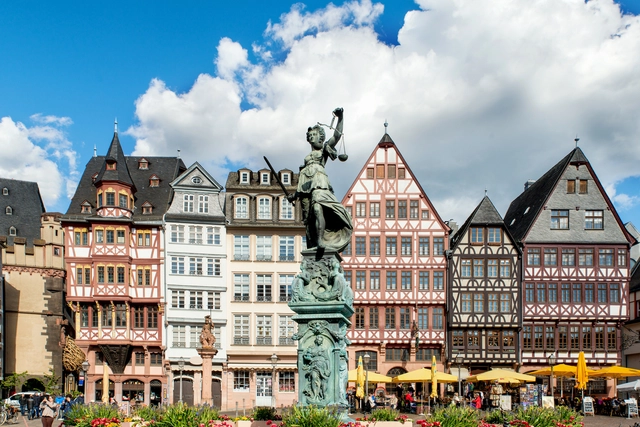
The architectural identity and urban fabric of the old city of Frankfurt has grown organically over centuries. Shops, bars, and craftsmen's workshops have always attracted a lot of visitors to the area between the Cathedral, or "Dom" in German, and the Römer, the main square in the center of Frankfurt. Historically, the area included buildings of many different styles, such as Gothic, Renaissance, Baroque and Classical architecture, which most locals only knew about from black and white photographs, the town’s famous miniature model in the historic museum, or stories passed down through generations.
However, the quarter’s picturesque buildings and alleyways, were almost entirely destroyed during the Second World War, but the collaborative work of the community and local authorities have made it seem as though time before the war stood still. The entire quarter was reconstructed exactly as its original plans, bringing Frankfurt’s medieval history back to life and creating what is now known as the Neue Alstadt, a project considered by some to be controversial.
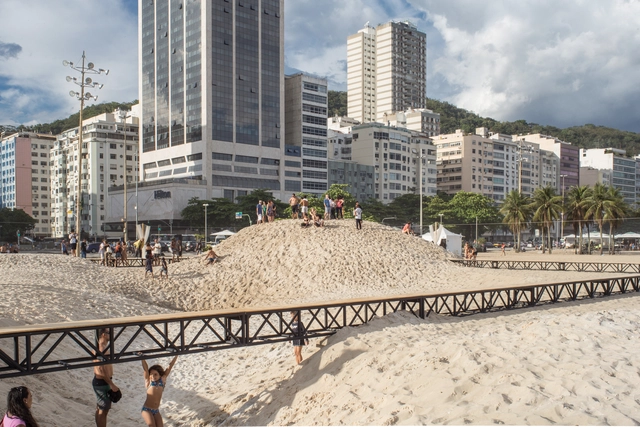
In the midst of programmatic diversity and experimentation, the Rio de Janeiro office gru.a is an encouragement to those who wish to venture into the expanded field of architecture. Formed by partners Caio Calafate and Pedro Varella in 2013, gru.a demonstrates the potential of the profession when it dialogues with other disciplines.
Entries to the annual Architecture Drawing Prize are judged in three categories, hand-drawn, digital and hybrid. Last year, Dafni Filippa, a post-graduate student studying for a Master’s degree in Landscape Architecture (MLA) at the Bartlett School of Architecture, won in the hybrid category and was also judged overall winner of the Prize with her Flood-responsive landscape performance, a virtuoso drawing created through a variety of rendering and modelling techniques produced by hand, in plaster and through and across multiple software platforms.
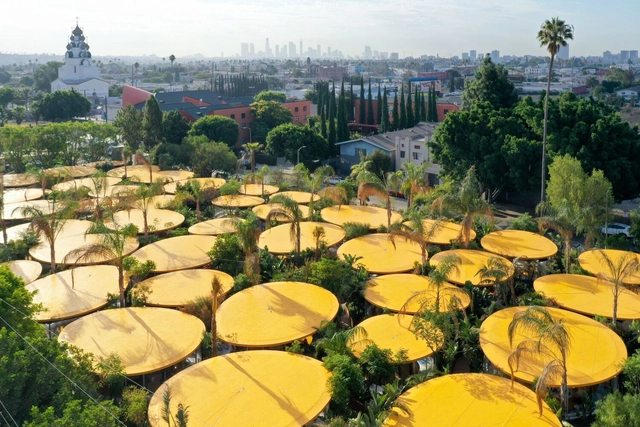
At ArchDaily, our work is grounded in stories. Between practice and projects, editorials and news, we write to share how architecture and design is changing both how we live and why. We also hold a responsibility in our choice of which stories get told and those that don't. The following is a reflection about design in Los Angeles, a beautiful, immense, sprawling, and diverse city that I've called home for many years.
Being a region characterized by its wide variety of landscapes, biodiversity and thermal floors, the design of interior patios in Colombian homes accompanies the living, resting, access, and circulation spaces, being, on many occasions, protagonists and a source of contact with the surrounding nature.
Every new generation enters the workplace with its own communication style. From viral TikToks to provocative statements like “We rarely use email,” Gen Z’s entrée into the workforce will certainly make its own waves. But what do we need to consider as we recruit, try to retain, and sell to this next generation of designers?
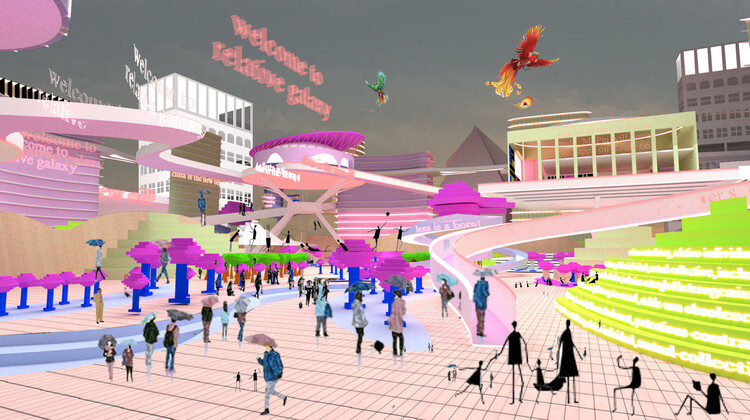
The metaverse promises to revolutionize our way of life. By integrating immersive technologies like virtual and augmented reality (VR and AR), it hopes to add another layer to the way we experience everyday life. It is suggested that the metaverse will create virtual spaces where people can meet and share experiences regardless of geographical constraints. The possibilities seem endless: exchanging knowledge, encouraging professional collaboration, developing and democratizing art, education, culture, and even enabling political engagement. Social interactions are at the core of the idea of a metaverse. This raises the question: how can the new, virtual spaces acquire the properties of public spaces?
As part of the effort to make the construction sector more sustainable in the face of the climate crisis, the bioeconomy has stood out. While the road to net-zero architecture is still very complex, the emerging shift in culture and general thinking is evident, and innovation seems to be driving this transformation.
As researcher, designer and MIT professor Caitlin Mueller once said, “The greatest value you can give to a material is to give it a load-bearing role in a structure.” Load-bearing components – foundations, beams, columns, walls, etc. – are designed to resist permanent or variable forces and movements. Similar to the bones of a human body, these support, protect and hold everything together. To fulfill that indispensable function, they must be made from materials with outstanding mechanical properties, which explains the prominence of cement and steel in structures. However, their high performance comes at a high cost: together, they account for 15% of global CO2 emissions. This makes us wonder, is it possible for structural materials to be truly sustainable? We know solutions like greener versions of concrete already exist, but there are many other alternatives to explore. And sometimes, the answer is closer than we expect; in the earth beneath us and the nature that surrounds us.
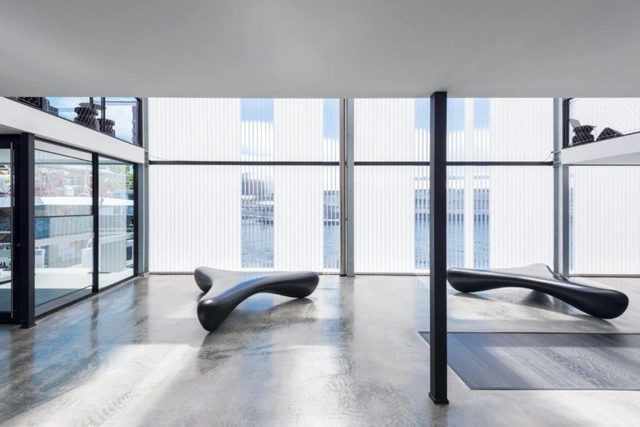
Brooke Street Pier / Cinca Morris Nunn. Image Courtesy of Danpal
In architecture, the concept of daylighting refers to when buildings allow natural light inside to provide a number of benefits, from enhanced visual comfort and productivity, to improved health and higher energy savings. However, to reach optimum levels of sunlight, reaching a balance is key; while too much can produce an uncomfortable glare and tremendous amounts of heat, too little can lead to health deficiencies and a greater dependency on artificial lighting. In that sense, the qualities of polycarbonate panels are unmatched, becoming an attractive choice for facades and roofs by achieving a soft, diffused light with varying levels of transparency, brightness and opacity.
Earlier this year the unprovoked barbaric Russian invasion of neighboring independent Ukraine forced millions of people to flee their cities and the country in search of safety. I talked to one of Ukraine’s top architects, Oleg Drozdov, who was forced to relocate his practice and architecture school he co-founded in Kharkiv, to Lviv, 1,000 kilometers to the west, next to the Polish border. His staff and professors — many of them assume both roles — resumed their work just weeks after the war broke out.
March 20, 2020: I am in New York, “the epicenter of Covid-19,” the news on TV keeps blaring, as if proud of the achievement. New York has always been excessive, so why not now? More cases, more hospitalizations, more ICU admissions, more intubations, more deaths. The news is terrifying and at the same time completely at odds with the day-to-day experience of the city, which has become so strangely quiet, so peaceful. No traffic, no construction noise, no annoying car alarms, no random screams in the middle of the night. Even the ambulances are mostly silent without cars to fight against.