
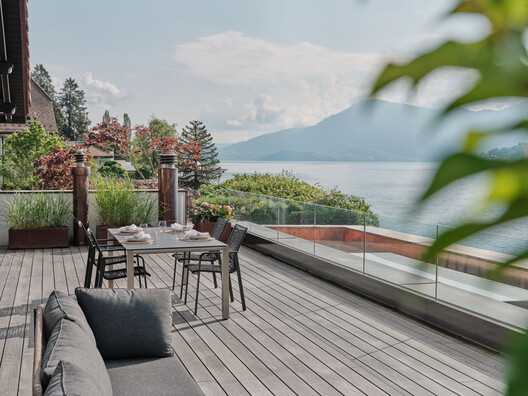
Selecting wood for outdoor applications involves more than appearance alone. Durability, stability, versatility and sustainability all influence how a material performs over time. Understanding these factors can help architects, builders and homeowners choose the right wood for exterior projects.
Wood remains one of the most desirable materials for exterior applications. Its natural appearance, warmth and versatility make it a popular choice for decking, siding, windows, doors, outdoor structures and architectural detailing.
Yet outdoor environments place unique demands on wood. Exposure to moisture, sunlight, changing temperatures and biological degradation can significantly impact long-term performance. While many exterior wood products may appear similar when installed, differences in durability, dimensional stability and maintenance requirements often become more apparent over time.
1. Durability
Durability is a material's ability to resist decay and withstand environmental exposure over time. It is especially important for decking, cladding, windows, doors and other high-moisture applications where long service life and reduced replacement costs are priorities.
2. Stability
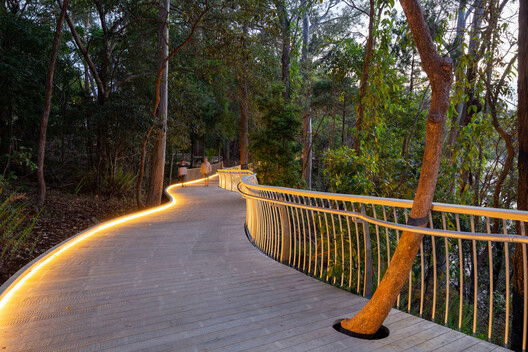
Dimensional stability is often overlooked but has a major influence on long-term performance.
As wood absorbs and releases moisture, it naturally expands and contracts. Excessive movement can affect alignment, coating performance, joints, appearance and maintenance requirements. Materials with greater stability generally provide more predictable performance, particularly in challenging climates.
3. Versatility
Not every wood performs equally across every application. Some species are well suited for decking but less appropriate for windows, doors or detailed architectural elements.
Versatile materials allow architects to specify the same product across multiple exterior applications while supporting a wide range of finishes and design styles.
4. Sustainability
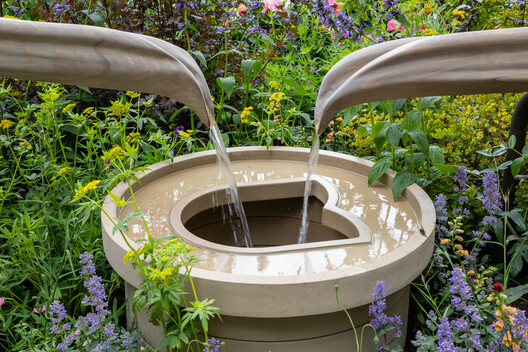
Sustainability extends beyond responsible sourcing. Service life, maintenance requirements, resource efficiency and lifecycle performance all contribute to a material's environmental impact.
Materials that last longer and require fewer replacements can help reduce lifecycle impacts while continuing to store carbon over decades.
Common Exterior Wood Options
Several categories of wood are widely used outdoors.
Cedar is valued for its natural appearance and decay resistance but may require ongoing maintenance depending on exposure.
Tropical hardwoods, including Ipe, are known for their density and durability, although sourcing, workability and sustainability are often part of the specification process.
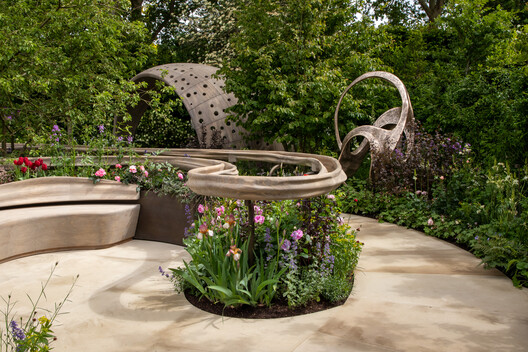
Modified woods, including thermally modified wood and acetylated wood, are engineered to improve durability and dimensional stability while retaining the appearance of natural wood.
Wood-plastic composites are common in decking and offer different maintenance characteristics, although they provide a different material experience than real wood.
Each material offers distinct advantages, making the right choice dependent on project priorities.
Why Stability Deserves More Attention
Discussions about exterior wood often focus on decay resistance, yet many long-term performance issues result from movement rather than decay itself.
Repeated swelling and shrinking can affect appearance, coatings, detailing and maintenance. For this reason, many architects now evaluate dimensional stability alongside durability when selecting exterior materials.
Where Accoya Fits
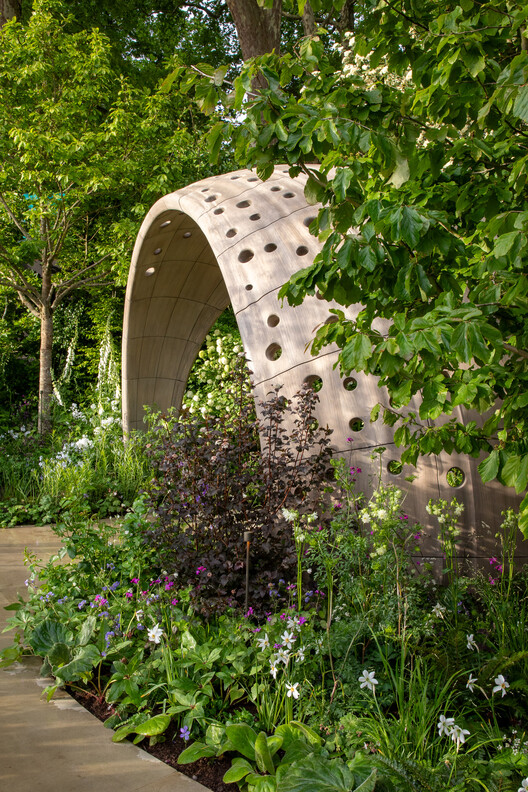
Accoya® is an acetylated wood manufactured from FSC®-certified radiata pine. The acetylation process modifies the wood at the cellular level, reducing its capacity to absorb moisture and consequently limiting the swelling and shrinkage associated with changing environmental conditions. This improves both dimensional stability and resistance to biological decay while retaining the characteristics of solid wood.
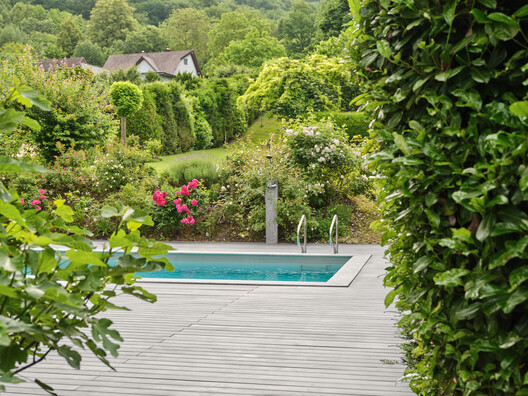
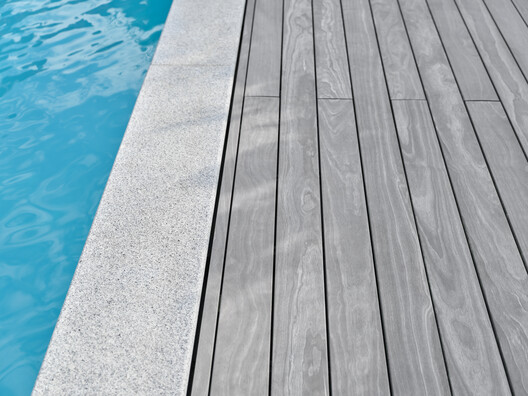
As a result, Accoya is specified for decking, siding and cladding, windows, doors, outdoor structures and architectural detailing. It is backed by warranties of up to 50 years above ground and 25 years in ground or freshwater applications.
The right wood for outdoor use, then, is rarely determined by species or appearance alone. Its suitability depends on how durability, dimensional stability, maintenance, sourcing, and service life respond to the conditions of a particular project. Built projects using Accoya across different applications and climates offer examples of how these considerations can inform material choices in practice. In this sense, specifying exterior wood is as much about anticipating how a material will age as deciding how it should look when first installed.