
The atmosphere of a home is gradually built through the interaction between architecture, furniture, and materials. Each component contributes color, texture, and depth, making the living experience sensory and immersive. Among these, materials play a decisive role: they define more than just the visual aspect, conveying tactility, light, temperature, and a connection to the environment, thus transforming our perception of the home. When viewed contextually, they reveal new possibilities for designing and experiencing interiors and exteriors, reminding us that every choice influences comfort and functionality.



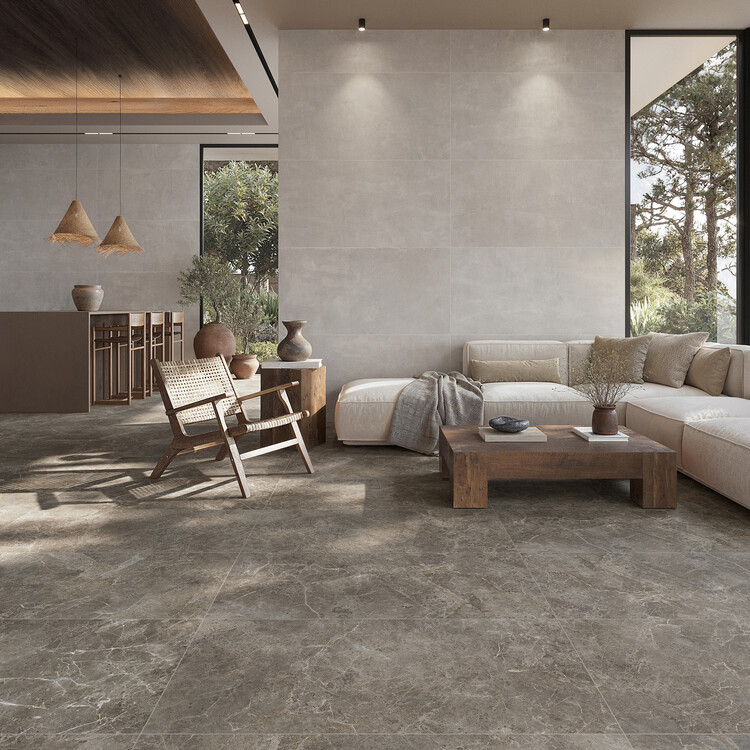
With this in mind, designing mood boards for houses and apartments becomes an essential tool: they serve as a source of inspiration and a means to visualize how materials, finishes, and formats relate, highlighting textures and combinations from floors to walls, both indoors and outdoors. Approaching mood boards from this perspective allows us to explore other dimensions of design and anticipate how each element can modify the experience of the space.


.jpg)