Through set design, cinema reveals a vast array of cities, becoming a compelling medium for discussing their transformations. This art form allows directors to push the boundaries of their imaginative universes through constructed sets, visual and special effects, and the overall composition of the frame. In many films, directors present futuristic cities inhabited by their characters, environments that often appear entirely unprecedented to us. It is through the spectator's effort to understand and appropriate these scenographic spaces that the city truly reveals itself on screen.


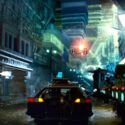


For some scholars, cinema is, first and foremost, shaped by a utopian conviction. Although utopia is commonly understood as a perfect or idealized society, its etymological origin—derived from ou and topos—means a "non-place" or "nowhere" (ou: not; topos: place), making utopia the practice of creating a new place, whether these concepts are drawn, designed, or filmed. Consequently, cinema's utopian conviction encompasses both places we understand as utopian—characterized by a society in a perfect state—and dystopian settings, marked by disorder, totalitarian regimes, resource scarcity, and intolerable living conditions. These circumstances reflect directly on housing, collective spaces, and cultural, commercial, or industrial activities: in other words, the city.