
The lack of safe drinking water and adequate sanitation is an issue that still affects millions of people worldwide; even in the 21st century, a large portion of the population lacks full access to these basic resources. Data from the World Health Organization (WHO) and the United Nations Children's Fund (UNICEF) show that about 3 in 10 people—equivalent to 2.1 billion people globally—do not have access to safe drinking water at home, and approximately 60% of the global population lacks access to safely managed sanitation services, including many living in urbanized areas.

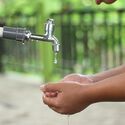

Water is essential not only to sustain human life but also to maintain a range of other systems involving various ecological agents, such as wildlife and the environment, making its scarcity and pollution an especially severe and alarming problem. Many cities face this challenge, primarily due to rapid population growth, unplanned urbanization, and a lack of adequate infrastructure to meet demand, leaving numerous communities without access to safe drinking water sources. Consequently, a portion of the population is often forced to rely on unreliable sources, such as untreated wells, polluted rivers, or informal suppliers, posing serious risks to public health and the environment.



