
Burnout Syndrome, or professional exhaustion syndrome, is an emotional disorder characterized by extreme exhaustion, stress, and physical depletion resulting from demanding work environments that entail intense competition or high levels of responsibility. Particularly during and after the pandemic—essentially our current reality—burnout rates have surged. Yet, the topic remains under-discussed. Given the significant role of spatial design in the lives of employees, how can neuroarchitecture support quality of life and help mitigate burnout?
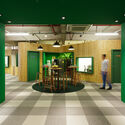




Salutogenic architecture and design can play a significant role in mitigating burnout by creating environments that foster well-being, mental health, and individual resilience. The following are some of the key strategies these approaches can employ to combat burnout:


