Excavated architecture: heritage of the past and a possibility for the future

Subscriber Access

In the dawn of humanity, communities instinctively organized themselves based on local conditions, available resources, and their way of life. While nomadic groups created solutions for temporary occupation—often carrying shelters among their belongings—settled groups also developed ways to occupy available spaces, establishing construction techniques that have evolved to this day.

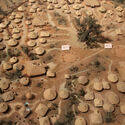
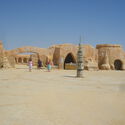
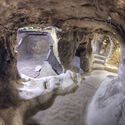
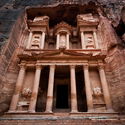
One such way of dwelling, which conventional architecture eventually sidelined—to the point of it acquiring a fantastical status in popular culture—was the occupation of cavernous or excavated spaces. Yet, this remains an ancient practice that leverages vernacular techniques to adapt to climate conditions and expand architectural possibilities.
Excavated architecture: heritage of the past and a possibility for the future - Image 7 of 7Excavated architecture: heritage of the past and a possibility for the future - Image 3 of 7Excavated architecture: heritage of the past and a possibility for the future - Image 5 of 7Excavated architecture: heritage of the past and a possibility for the future - Image 2 of 7Excavated architecture: heritage of the past and a possibility for the future - More Images+ 2

Content Loader

Image gallery

See allShow less
About this author
Cite: Martino, Giovana. "Excavated architecture: heritage of the past and a possibility for the future" [Arquitetura escavada: herança do passado e possibilidade de futuro] 01 Mar 2023. ArchDaily. Accessed . <https://www.archdaily.com/1136205/excavated-architecture-heritage-of-the-past-and-a-possibility-for-the-future> ISSN 0719-8884
Casa & Restaurante / junya ishigami + associates. Image Cortesia de junya ishigami + associates

挖掘建筑:过去的遗产与未来的可能

是否

You've started following your first account!

Did you know?

You'll now receive updates based on what you follow! Personalize your stream and start following your favorite authors, offices and users.