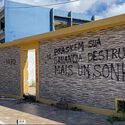
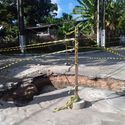
Since March 2018, when a 2.5-magnitude tremor on the Richter scale startled the residents of Maceió, the population of the Alagoas state capital has become aware of—and gradually had to grapple with—the consequences of a tragedy that would soon fully unfold. Following the appearance of a series of cracks and sinkholes across various neighborhoods, geological analyses identified the primary cause of the ground subsidence: the extraction of rock salt—a mineral used in the manufacturing of caustic soda and PVC—which had been carried out in Maceió for over 40 years by the petrochemical company Braskem.
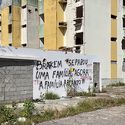
With new tremors in November 2023 and the imminent risk of the mines collapsing, Maceió's crisis returned to the Brazilian headlines, shedding light on a range of complex urban issues tied to the tragedy. From physical damage to city infrastructure and forced displacement to inflation and real estate speculation, the unfolding disaster reveals painful scenes of what is already being called one of the worst urban tragedies in the world. Immersed in this crisis, the city's population suffers from incalculable damage: "The cracks weren't just in the buildings; they were in us, in our souls."