The project Fertile Futures, the Portuguese representation at the 2023 Venice Architecture Biennale, organized an International Summer Seminar in July in the municipality of Fundão, promoting alternative approaches to architecture and highlighting the project's promising future. The seminar aimed to foster thematic awareness, collaborative experiences, and an expanded field of action among the participants.
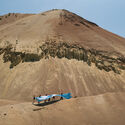

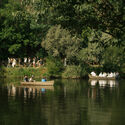
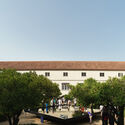

During the event, architecture students from diverse backgrounds temporarily relocated to Fundão, one of eight Portuguese cities listed in the European Union Mission for Adaptation to Climate Change. Fundão faces significant challenges, including water scarcity, intensive agriculture, wildfires, and desertification. However, it is also a place with thriving social inclusion initiatives and technological developments in the country's interior region.

The seminar was led by seven of the Fertile Futures project's design teams — Corpo Atelier, Dulcineia Santos Studio, Guida Marques, Ilhéu Atelier, Pedrêz, Ponto Atelier, and Space Transcribers — and offered guidance and support to both national and international students, selected through an open call process and supplemented by institutional partnerships. Through direct experience and the opportunity to engage in new dialogues, participants shared knowledge and worked on developing strategies for water harvesting, use, and distribution throughout the municipality of Fundão.

The highlight of the seminar was the self-construction of installations scattered across the local territory, offering a material response to the issues addressed. These installations served as tangible representations of the students' efforts to address the pressing challenges faced by the city, ultimately offering a glimpse of a more sustainable and resilient future.

By raising awareness and facilitating hands-on learning, the International Summer Seminar sought to nurture a new generation of architects prepared to adopt alternative approaches, prioritize sustainability, and contribute to the transformation of communities.

This article was written by ArchDaily Team. The translation is powered by AI.