
To restore urban watercourses and wetlands, balance the local ecosystem, and improve the quality of life for residents, the mayor of Viña del Mar, Macarena Ripamonti, presented the project "Viña del Mar Estuary: Floodable Urban Park" at the World Summit of Local and Regional Leaders, held from October 10 to 14, 2022, in Daejeon, South Korea.
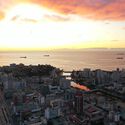
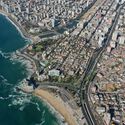
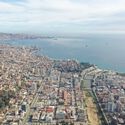
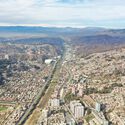

The proposal aims to restore the wetland status of the Marga Marga Estuary, which flows for 7 kilometers from its confluence with the Quilpué Estuary to its mouth on the coast of Viña del Mar. The project's planning includes restoring the watercourse—currently channeled and degraded—using a hydraulic system that protects it and enables the rehabilitation of local ecosystems. This initiative is part of the municipality's Natural Heritage Protection Plan, which proposes a network of urban wetlands in response to the climate and ecological emergency declared by the mayor in 2021. In addition, the plan includes research and educational facilities focused on flora and fauna recovery, alongside recreational areas and bike paths for residents.

The project faces several challenges. After years of the estuary's waters being channeled, the space has become home to a fruit and vegetable market and a parking lot for over 1,500 cars accessing the city center, alongside illegal activities such as aggregate extraction in the eastern zone. These practices must be phased out. To address this, several measures have been taken, including a traffic management study in Población Vergara conducted by SECTRA (Transportation Planning Secretariat) and the Progressive Recovery Plan for the Wetland Watercourse implemented by the municipality. Regarding the market, the municipality stated that economic activities that have taken place there for years must be respected. This remains a priority, and the opinions of community leaders and merchants will be heavily considered when deciding the future of the market.

The mayor's office stated that the project is being developed in collaboration with the Catholic University of Valparaíso, which includes drafting a master plan for the Estuary-Wetland. The plan involves assigning designated uses to different sections of the estuary, which are demarcated by existing bridges. Initially, the proposed uses include recreation, the fruit and vegetable market, and environmental conservation, along with other uses that may emerge from community participation. This will be accompanied by disaster prevention and evacuation plans, which include features designed to dissipate the energy of a potential tsunami. Ultimately, authorities highlighted that the project is in its early stages, seeking mixed public-private funding, and they hope it will yield long-term benefits.

While we wait for this initiative to materialize, we invite you to explore some examples of floodable parks featured on our platform, showcasing the potential for these projects in relation to Chile’s rich geographical landscape.

This article was written by Victoria Riquelme. The translation is powered by AI.

