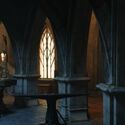
In cinematic works, the architecture chosen and designed to compose the frame can communicate with the viewer in many ways. Buildings and cities can establish the setting through well-known monuments or specific building types adapted to certain climates, as well as indicate the historical period through tectonic aesthetics. Fantasy works offer an endless creative field for architectural composition and interior design.
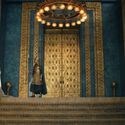


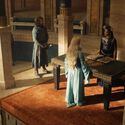

Within production designs crafted entirely to tell stories, we can identify various artistic movements that inspired the creator. Identifying these references is an excellent exercise for sharpening our perception and expanding our knowledge of architectural techniques, movements, and styles. Beyond these attributes, architecture can take on deeper narrative meanings depending on how spaces are framed, explored, and staged, often engaging in a direct dialogue with the characters.