
Summer in the Southern Hemisphere, particularly in the region between the tropics and the Equator, is marked by high humidity, heavy rainfall, and high temperatures. Alongside these summer storms, Brazil also contends with a series of severe events such as flooding, landslides, and dam failures. Over the years, the concentration of these events between November and March has become increasingly common. Their occurrence is directly linked to seasonal summer rains, but also to the country's ongoing economic activities.


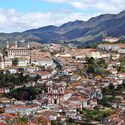

Recently, the state of Minas Gerais, in southeastern Brazil, has faced several natural disasters triggered by heavy rains. As of January 13 of this year, the state had 374 municipalities in a state of emergency, 26,400 displaced people, and more than 20 fatalities. One major landslide struck the city of Ouro Preto, designated a UNESCO World Heritage Site since 1980 for its history and colonial architecture. The landslide occurred within the urban perimeter, destroying 19th-century colonial mansions and leaving others at risk.


