
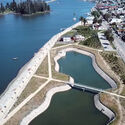
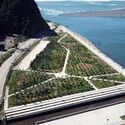
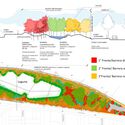
Earthquakes, tsunamis, mudslides, and wildfires are just some of the natural disasters that Chile has experienced throughout its history. Every November 5, the UN-declared World Tsunami Awareness Day is observed to promote a global culture of preparedness and awareness around this issue. Following the 27F earthquake and tsunami in 2010, Chile had to maximize its efforts to improve its emergency management and construction regulations, streamline reconstruction plans, and place greater emphasis on the strategic planning of its cities, given the country's vast number of coastal urban settlements. This opened up new possibilities for waterfronts. Below, we invite you to reflect on the future of the urban image of Chile's coastlines through the example set by the city of Constitución.


Disasters are not natural, but rather the result of omissions and the lack of prevention and planning in the face of natural phenomena. - United Nations Office for Disaster Risk Reduction (UNISDR).


