
From reducing local temperatures to improving air quality, the benefits of urban forestry in city centers are numerous. Combining social, environmental, and even economic advantages, urban planting—especially along sidewalks—is fundamental to citizens' quality of life. However, it must be carefully planned and designed, balancing urban demands with biological needs.
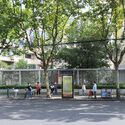
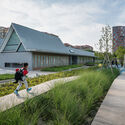
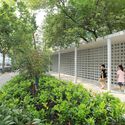
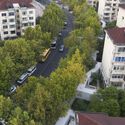

By providing shade, reducing noise levels, improving air quality, moderating temperature fluctuations, and connecting residents with nature, urban forestry significantly enhances quality of life. It also offers shelter and food for small animals, increases city biodiversity, fosters a calmer and more pleasant urban environment, provides privacy for certain buildings, and can even boost local property values. Furthermore, urban planting can be integrated with natural reserves and forests through greenways and ecological corridors, helping to balance and restore both natural and built ecosystems.


