
The vulnerability found in countries on the periphery of capitalism, such as Brazil, has wide-ranging consequences that are evident both in statistics and in how the occupied territory is shaped. Peripherization and the struggle to access fundamental rights—such as healthcare, education, and housing—are among these consequences. Addressing these challenges falls to organized social groups striving to build alternatives within this context, as seen in social movements and Usina CTAH, an architectural practice dedicated to providing technical assistance to organized social groups.
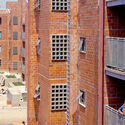

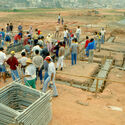
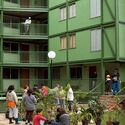

During the 1980s and 1990s, Brazil underwent a redemocratization process following 20 years of civil-military dictatorship. During this period, many grassroots movements emerged, discussing concepts such as solidarity, cooperativism, and self-management, while fighting to establish a democratic state. At the same time, within universities, students, professors, and recent graduates sought more practical activism in the peripheries. They began organizing to establish professional collectives that could support social movements and strengthen grassroots struggles. Among these, in the field of architecture and urbanism, initiatives like Usina CTAH emerged—a multidisciplinary group dedicated to working alongside organized groups, providing technical assistance to help them navigate the challenges of the built environment.


