
Architecture is a broad field offering diverse opportunities for practice. Increasingly, young architects are striving to carve out new paths and explore alternative professional domains. Ephemeral architecture, with its experimental and artistic nature, plays a significant role in this pursuit, prompting practitioners to observe and discuss urban, social, landscape, and environmental issues. Here, we present examples of temporary installations that highlight these concerns and transform their surroundings.

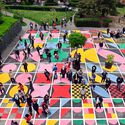
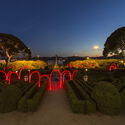
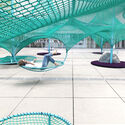

Architectural knowledge and skills can be applied across various professional fields. The practice of architecture generally teaches one to observe in order to understand problems, systematizing and synthesizing them before developing a design response. When considering how to create architecture without buildings, we can envision using these skills to provoke reflection and transformation in the spaces we occupy. Interventions are typically temporary structures that carry an intention of change and reflection for a specific place. Below, see how several installations use materials—or the lack thereof—to communicate with their surroundings:


