

In recent years, public agencies, architects, and urban planners worldwide have increasingly debated the future of cities, reflecting on the directions contemporary urban planning must take to address a complex web of urban and social challenges. However, one question continues to dominate professional discourse: how can we create spaces capable of improving quality of life and health in the public realm without relying on large-scale infrastructure projects?
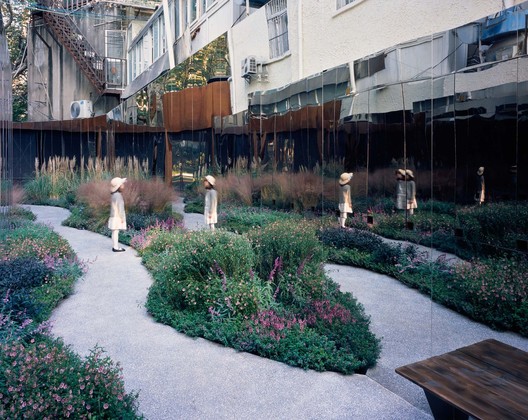
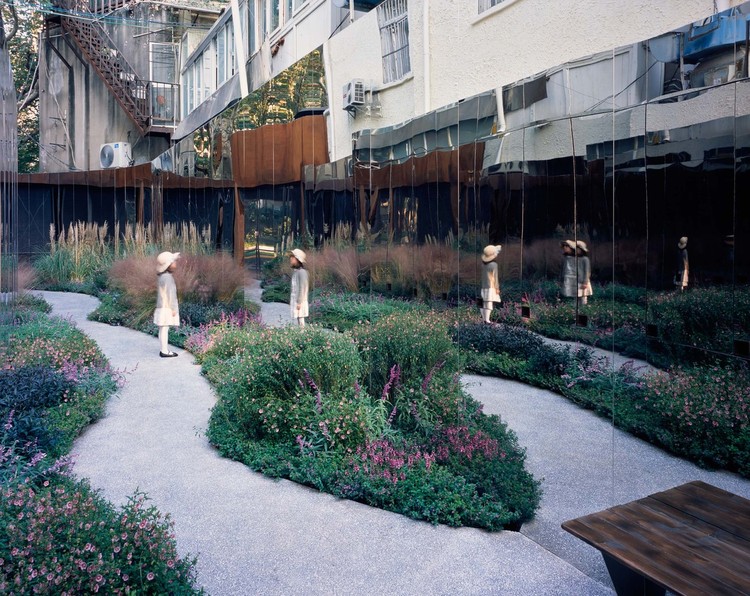
In response, several movements have emerged, attempting to implement simple actions that foster the development of “new” public spaces to meet the immediate demand for high-quality urban environments. These initiatives suggest that future cities will become increasingly inviting, championing a closer relationship between pedestrians and the street. Examples of these interventions include the implementation of parklets; the temporary closure of avenues to vehicular traffic, opening them to pedestrians and turning them into open areas like temporary urban parks; the installation and expansion of bike lanes; urban vertical gardens; and pocket parks.


