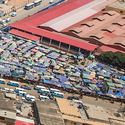
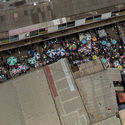
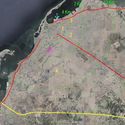
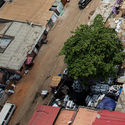
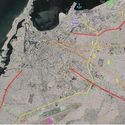
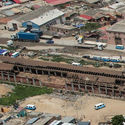
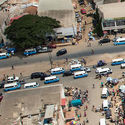
This article offers an observation and analysis of the diverse forms of land occupation and use within informal or self-built urban fabrics on the outskirts of Luanda, examining their relationship with the Angolan capital's consolidated urban core.
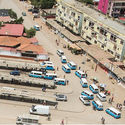


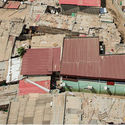

Luanda, home to nearly 10 million inhabitants—representing one-third of Angola's total population—has seen its infrastructure fall severely behind the rapid urban growth driven by rural exodus. This demographic surge has spawned horizontally sprawling informal settlements known as musseques, which lack any planning or zoning and gravitate around the consolidated urban core.