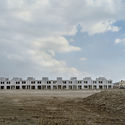
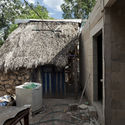
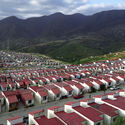
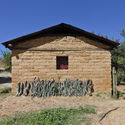

Traditional architecture is based on a complex understanding of dwelling, the collective production and transmission of knowledge, and construction through mutual-aid community processes that strengthen the social fabric, cultural identity, and territorial bond. In other words, it is a practice of community self-production where the inhabitants themselves, without intermediaries, manage the multiple processes involved in materializing their habitat, always relying on collective intelligence. Today, architecture has shifted from being a communal asset to an exclusive language of a few where, despite still requiring the organized participation of various actors, its production is credited to a single author: an individual entity who, without possessing the diverse knowledge required to complete a work from start to finish, is recognized as the mastermind behind all processes. The professionalization of architecture has not only individualized its discourse and complicated the transmission of knowledge; it has also discriminated against and rejected the knowledge produced outside of academic, professional, and governmental institutions, labeling it as precarious—thereby opening the door to racism.
The way we build our houses is the intelligence of our ancestors, and we want to preserve and defend it.
- Community Assembly of Santa María Nativitas Coatlán, Sierra Mixe of Oaxaca.