
The interfaces establishing the relationship between inside and outside in architectural design play a fundamental role in reinforcing or denying the potential degrees of this connection. To this end, a central factor in facade design is the opacity of its materials, which can create vastly different conditions regarding light, views, and atmospheric quality within a space. Translucent materials and elements offer a compelling strategy for mediating between interior and exterior. They evoke a diaphanous, ethereal effect, introducing a touch of mystery through surfaces that allow light to filter through while obscuring any sharp, distinct images for the observer.
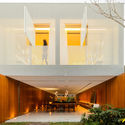
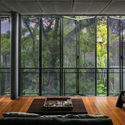
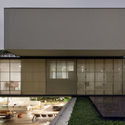
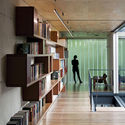

This translucent effect can be achieved in highly diverse ways, from employing inherently translucent materials—such as certain types of polycarbonate and glass—to angling spaced-out opaque elements that allow light to pass while establishing a play of visibility and concealment between inside and outside. Below, we highlight a selection of residential projects in Brazil that explore translucent surfaces and skins composed of various forms and materials.


