
Juliana Coelho is an architect and urban planner with experience in the humanitarian, public, and private development sectors. For the past three years, she has been working in this sector with UNHCR, the UN Refugee Agency. During this period, she was involved in the planning, design, and implementation of 21 temporary shelters, transit centers, and reception/documentation centers for refugees and migrants in Brazil. She also participated in drafting a contingency plan and upgrading spontaneous settlements and donated spaces, providing technical support to Operation Welcome (Operação Acolhida)—the Brazilian government's response to the influx of Venezuelan refugees and migrants to Brazil, which in 2020 also included emergency response measures to COVID-19.
.jpg?1598995537 "Cortesia de ACNUR")
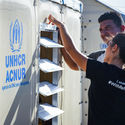
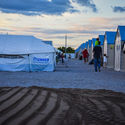
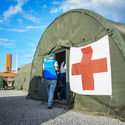

We spoke with Coelho to understand the role of architects and urban planners in shelters for refugees and migrants in Brazil. The following interview highlights the challenges related to the implementation of temporary housing units—ranging from their adaptation to the country's climate to spatial strategies for addressing COVID-19—while also touching upon themes such as the depersonalization of the concept of home and the social role of architecture in this process.


.jpg?1598995580 "The role of architecture in the issue of Latin American refugees and migrants")
.jpg?1598995489 "The role of architecture in the issue of Latin American refugees and migrants")


