
When considering architecture as a tool of impact on public life, there is an extensive history of cases to draw from, which undoubtedly includes the relationship between architects and the State across various contexts. From landmark examples, such as the urban planning and architectural design of Brasília, to more contemporary demonstrations of the virtues of this collaboration, the civic vocation of design is expressed in its most explicit form through these types of programs. Designing projects with such implications also means confronting the fact that the client does not present the traditional demands of a typical commission, but rather represents collective interests and the effective stewardship of the public realm. This offers a major opportunity for professionals in the field to devise ways to foster and strengthen democratic values within society.
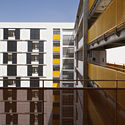
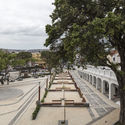

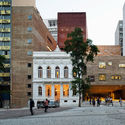

While the most well-known and widely discussed instance of the State's alliance with architects in Brazil is the collaboration of Lúcio Costa and Oscar Niemeyer on the federal capital in the 1950s, other examples suggest that this connection can manifest across various scales of design, and may be either championed or sidelined depending on the political context. Regardless, reiterating the value of architectural practice in service of the State remains essential and is fundamental to understanding the potential of the profession and its contributions to the community. Below, we present a selection of projects published on ArchDaily Brasil that illustrate the different facets of this collaboration.


