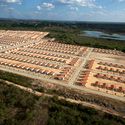
Urban planning is a vital tool for reducing inequality and promoting equity in cities. In Brazil, prioritizing these goals is even more urgent given not only the country's deep social disparities as a whole, but also the stark divide in access to opportunities, infrastructure, and urban services—which ultimately defines true access to the city itself.
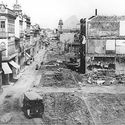
Yet, while many believe that urban inequality stems from a lack of planning—as if it were merely a product of chance—the reality is that, historically and to this day, urban planning has often exacerbated inequalities rather than mitigating them.