.jpg?1596481113)
The stigma of rudimentary architecture, combined with the idealization of high-tech technology, relegates Indigenous building knowledge to a prehistoric imaginary. This pattern, which points to a single, unequivocal direction of progress, reveals the so-called coloniality of knowledge—a concept by Peruvian sociologist Aníbal Quijano that exposes the hidden side of modernity: the creation of hierarchies among peoples, keeping Latin America, and particularly its Indigenous populations, in a subaltern position. In other words, we tend to assume that the knowledge representing the future is produced in other lands, namely the Global North.

.jpg?1596481113)
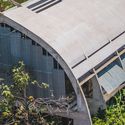
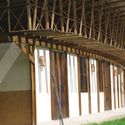
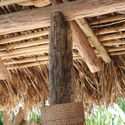
Today, Indigenous architecture remains marginalized in mainstream discussions and rarely features as a contemporary solution, even though sustainability is the cornerstone of the future of housing. The ideal of sustainable construction is often built on the consumption of expensive new technologies imported to Brazil, whereas Indigenous building knowledge offers accessible alternatives that directly address contemporary and local needs.

.jpg?1596481113 "Indigenous building knowledge reveals solutions for contemporary buildings")